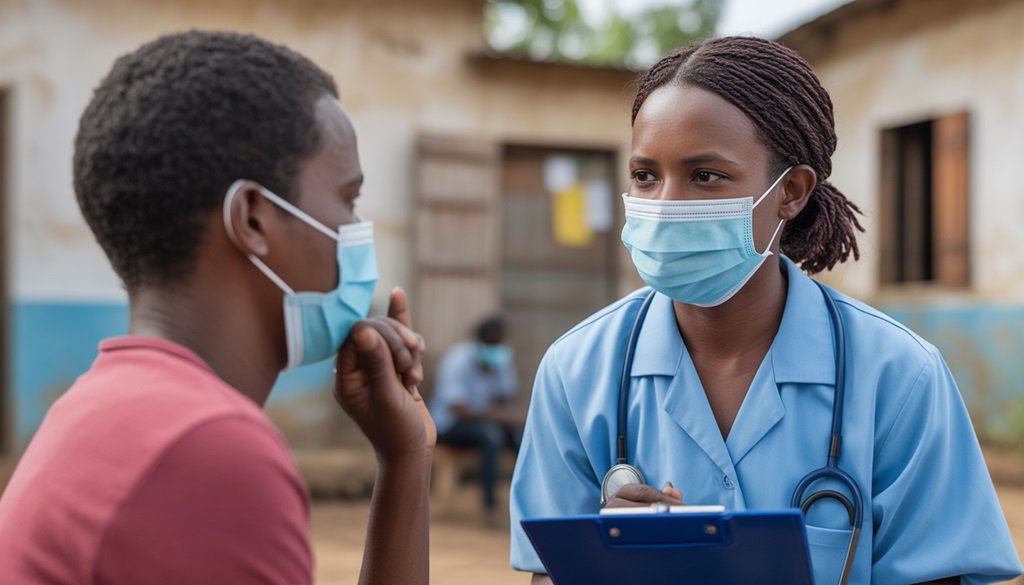
For many Nigerians, a persistent cough, weight loss, or constant tiredness is often explained away as stress, infection, or the hardship of daily life. People keep working, caring for family, and postponing hospital visits until symptoms become impossible to ignore. By then, valuable time may already have been lost.
Nigeria’s TB crisis is no longer a hidden issue in the background. It is a daily reality affecting families, workplaces, and communities across the country. Tuberculosis continues to claim lives not only because it is infectious, but because many cases are missed, diagnosed late, or inadequately treated. Rising case notifications reveal only part of the picture—behind them are gaps in awareness, access to testing, treatment follow-up, and social support.
From public-health experience, TB thrives where poverty, overcrowding, stigma, and weak health systems intersect. Yet TB is preventable, detectable, and curable when the right systems work together.
This guide examines Nigeria’s TB crisis, exploring why cases remain high, where the hidden gaps lie, and what practical steps—at community, health-system, and policy levels—can change the course of TB in Nigeria and beyond.
Nigeria’s TB Crisis: Our Reality
In recent years, Nigeria has reported record‑high TB notifications, with more than 400,000 cases identified in 2024 alone out of an estimated 506,000 infections, yet many people with TB are still missed or treated late. This matters not only for Nigerians, but for the entire African region and global efforts to achieve the End TB targets by 2030.afro.who+2
Understanding Nigeria’s TB Crisis
What is Tuberculosis and Why Is It Still a Big Deal?
Tuberculosis (TB) is a bacterial infection caused by Mycobacterium tuberculosis, usually affecting the lungs but capable of involving almost any organ in the body. It spreads through the air when a person with active pulmonary TB coughs, sneezes, or even talks, making crowded homes, buses, and workplaces ideal environments for transmission.bmj
The tragedy is that TB is both preventable and curable, yet it remains one of the top infectious causes of death worldwide and in Nigeria. Global estimates suggest thousands of people die daily from TB, and Nigeria contributes significantly to these deaths despite having proven tools for diagnosis and treatment.hifass-hfi+1
Nigeria’s Place in the Global TB Burden
Nigeria is consistently listed among the world’s 30 high‑burden TB countries and has one of the highest TB burdens in Africa. Analyses for the End TB strategy show that Nigeria is among a small group of countries (alongside India and Indonesia) that account for a large share of the global gap between the number of TB cases that actually occur and those that are officially reported.bmj+1
According to national and international reports, Nigeria ranks first in Africa and around sixth globally among high‑burden TB countries. This means what happens with TB in Nigeria significantly influences whether the world meets or misses the 2030 End TB targets.businessday+2
Latest Numbers – Rising TB Cases and Hidden Gaps
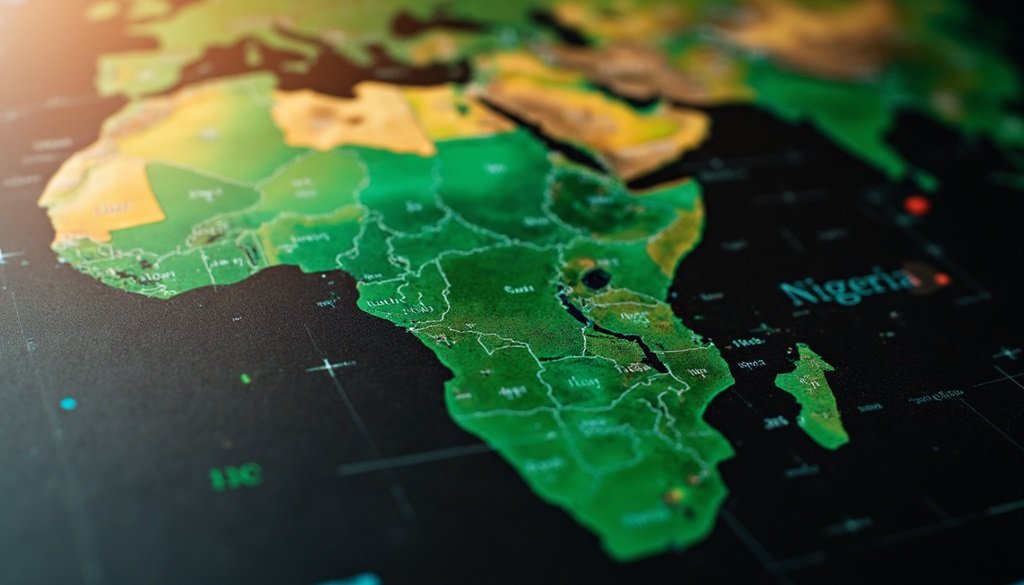
Recent data show that Nigeria’s TB case notifications are increasing, in part because of improved case finding and diagnostics. In 2024, the federal government reported more than 400,000 TB cases notified, the highest ever in the country, out of an estimated 506,000 infections, suggesting that roughly one in five people with TB may still not be reached by services.businessday+1
Research in BMJ Global Health has documented a rise in TB cases from around 269,000 in 2000 to over 460,000 by 2021, with hundreds of thousands of cases still underreported or undetected each year. Public health experts warn that a single missed TB case can infect up to 15 other people per year, keeping transmission alive in homes, schools, markets, and workplaces.bmj
Root Causes of the TB Burden in Nigeria
Social and Economic Drivers of TB
TB thrives where people are least able to protect themselves. Poverty, overcrowded living conditions, poor ventilation, and malnutrition are powerful drivers of TB infection and disease progression in many Nigerian and African communities. People living in informal settlements, internally displaced persons’ camps, or slums often face the highest risk, because they share small spaces, have limited access to healthcare, and may have weaker immune systems due to poor diet.bmj
Co‑existing health conditions such as HIV, diabetes, and chronic alcohol use further increase TB risk. In parts of Nigeria and sub‑Saharan Africa with high HIV prevalence, HIV‑associated immunosuppression makes TB both more likely and more deadly.bmj
Health System Gaps – From Primary Care to Tertiary Hospitals
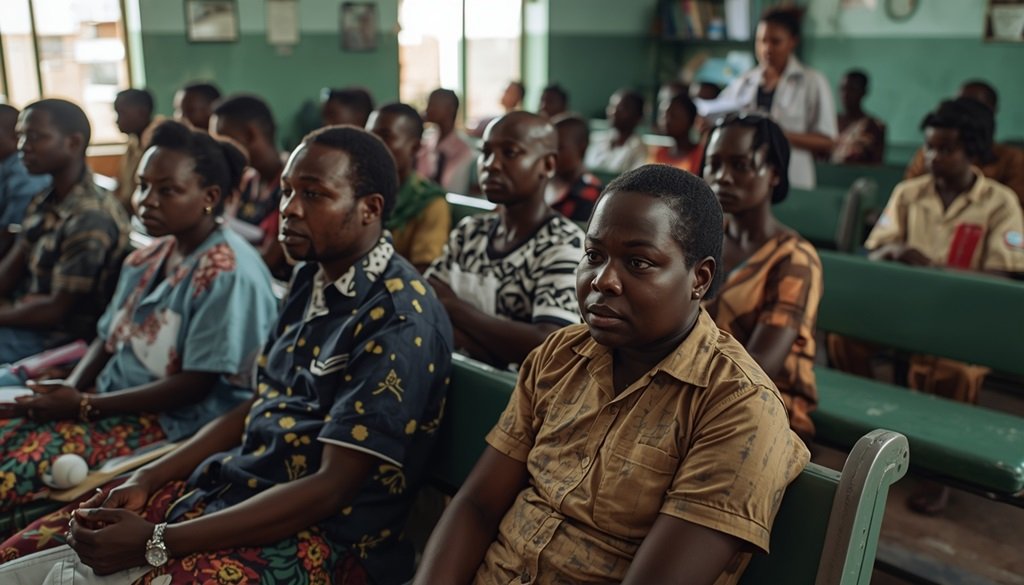
Even when people are willing to seek help, the health system may not be ready to serve them. Many primary healthcare centres and some private facilities still lack rapid TB diagnostic tools, trained staff, or strong systems to link people from testing to treatment.ntblcp+1
National TB program reports highlight gaps in human resources, laboratory networks, and supply chains for TB drugs and diagnostics, especially in rural and hard‑to‑reach areas. In practice, this means someone with chronic cough may visit multiple facilities or informal providers before ever receiving a TB test, if they are tested at all.ntblcp+1
Underdiagnosis, Underreporting and Missed TB Cases
Underdiagnosis and underreporting are key features of the Nigeria TB crisis. Many people with symptoms never present to formal health facilities because of costs, distance, lost income, or fear of stigma; others may be seen but not properly screened for TB, especially in busy clinics.pmc.ncbi.nlm.nih+1
Studies reviewing TB surveillance in Nigeria have shown discrepancies between estimates of TB incidence and the number of reported cases, reflecting both missed diagnoses and incomplete reporting from private clinics and labs. Stigma, misconceptions, and reliance on self‑medication or traditional remedies also delay diagnosis and increase community transmission.pmc.ncbi.nlm.nih+1
Drug‑Resistant TB – A Silent Threat
Multidrug‑resistant TB (MDR‑TB) occurs when TB bacteria become resistant to at least isoniazid and rifampicin, the two most powerful first‑line TB drugs. MDR‑TB is harder and more expensive to treat, often requiring longer regimens with more toxic drugs and closer monitoring.pmc.ncbi.nlm.nih+1
Reviews of TB epidemiology in Nigeria show that MDR‑TB is present among both new and previously treated TB patients, indicating ongoing transmission as well as inadequate treatment in some cases. Without strong systems for rapid drug‑susceptibility testing and adherence support, MDR‑TB can quietly spread and deepen the Nigeria TB crisis.pmc.ncbi.nlm.nih+1
How TB Affects Nigerians, Africans and the World
Human Stories – Families, Workers, and Communities
Behind every statistic is a person, a family, and often a breadwinner. TB can keep adults out of work for months, interrupt education for teenagers and young adults, and force caregivers, often women, to juggle income, childcare, and hospital visits.hifass-hfi+1
Because TB symptoms may be confused with “ordinary cough” or spiritual problems, many people struggle in silence rather than seek early care. Gender roles, stigma, and fear of discrimination at work or in marriage can make women, in particular, delay TB testing and disrupt their treatment.hifass-hfi+1
Economic and Development Costs
On a national scale, TB drains productivity and deepens poverty. Households may face catastrophic costs from travel, lost wages, and repeated visits to facilities, even when TB drugs themselves are free in public programs.bmj
Economists and public health experts emphasize that TB control is not only a health issue but a development priority, closely tied to the Sustainable Development Goals on poverty reduction, health, and reduced inequalities. Investing in TB prevention and care yields economic benefits by keeping people healthy, productive, and able to participate fully in society.bmj
Why Nigeria’s TB Crisis Matters Globally
Nigeria’s large population and high TB burden mean that progress—or lack of it—has regional and global consequences. With millions of Nigerians travelling within West Africa and worldwide for trade, education, and migration, undiagnosed or poorly treated TB can cross borders easily.afro.who+1
Global TB strategies recognise that achieving End TB targets by 2030 is impossible without major gains in high‑burden countries such as Nigeria, India, and Indonesia. For the international community, supporting stronger TB responses in Nigeria is therefore an investment in global health security.afro.who+1
Closing the Hidden Gaps in TB Detection and Care
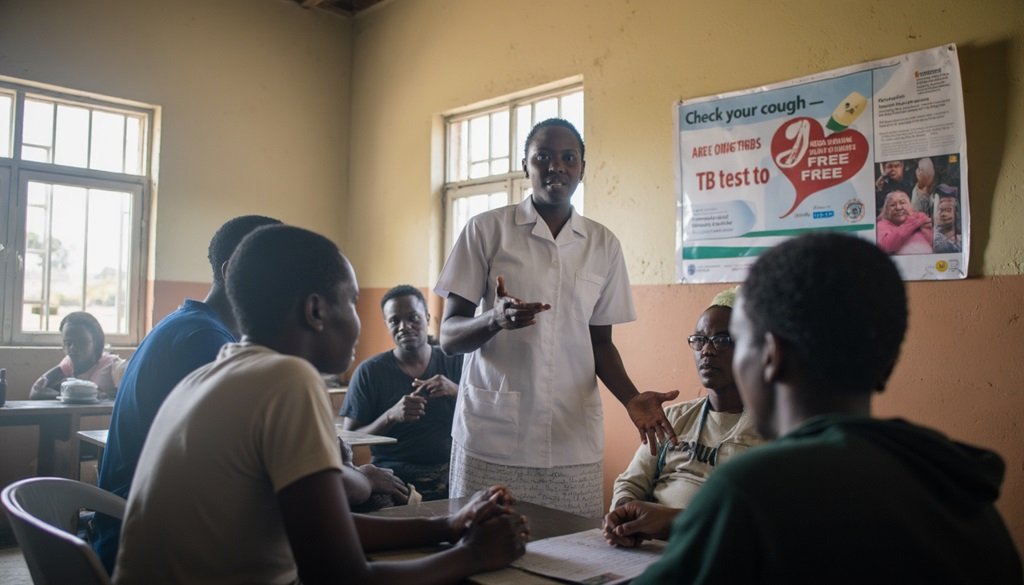
Strengthening TB Screening and Early Diagnosis
Finding TB early is one of the most effective ways to cut transmission and protect families. In Nigeria, efforts are underway to expand systematic TB screening in primary health centres, general hospitals, private clinics, and through community outreach using mobile screening teams.afro.who+2
WHO‑recommended rapid diagnostic tests, such as GeneXpert, can detect TB and rifampicin resistance within hours, but coverage remains uneven. Expert reviews urge wider deployment of GeneXpert analysers and stronger laboratory networks so that every person with persistent cough has quick access to accurate TB testing, whether in urban Lagos or a rural community in northern Nigeria.pmc.ncbi.nlm.nih+1
Improving Treatment Access and Adherence
TB is curable when people start the right regimen early and complete the full course. Nigeria’s national TB program provides standardized treatment regimens, and newer shorter-course options are increasingly available, especially for drug‑susceptible TB.ntblcp+1
However, adherence can be challenging when people feel better after a few weeks and want to return to work or travel. Programs that use community health workers, treatment supporters, digital adherence tools, and social support (e.g., transport stipends or food packages) can make it easier for patients to stay on treatment until cure.ihvnigeria+1
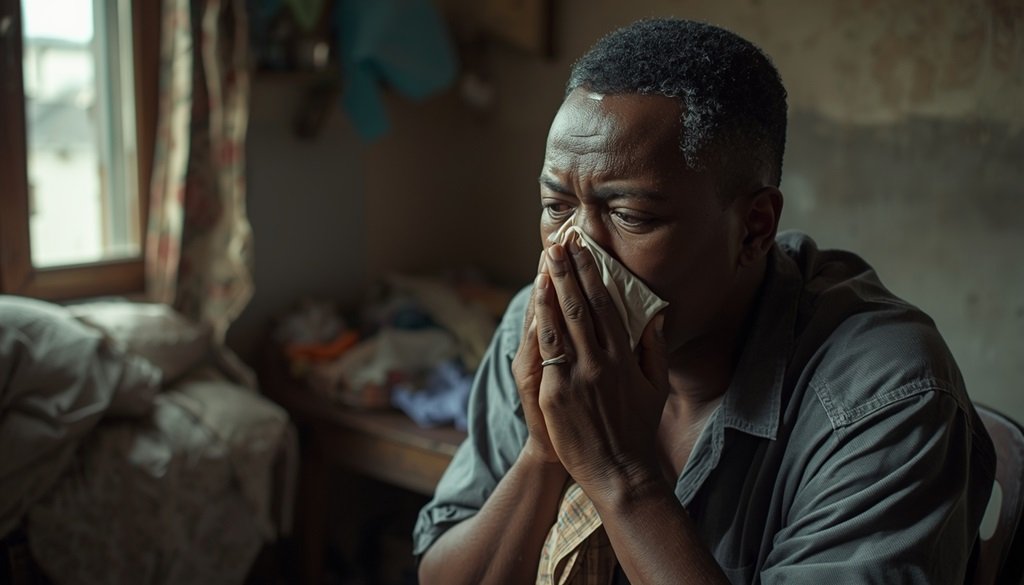
Tackling MDR‑TB Through Better Care
Managing MDR‑TB requires rapid drug‑susceptibility testing, specialist care, and often longer treatment with second‑line drugs. Nigeria has designated MDR‑TB treatment centres and satellite facilities, but many patients still face long distances, financial barriers, and emotional stress.ntblcp+1
Experts recommend integrating psychosocial counselling, nutritional support, and close follow‑up into MDR‑TB care so that patients are not left to struggle alone. As shorter and more tolerable MDR‑TB regimens become available globally, adapting and scaling them in Nigeria and other African countries will be crucial.pmc.ncbi.nlm.nih+1
Reducing Stigma and Myths Around TB
Stigma is one of the most powerful “hidden gaps” in TB control. In some communities, TB is still seen as a curse, a sign of moral failure, or a disease that automatically means HIV, leading people to hide their symptoms or drop out of care.hifass-hfi+1
Public health experts argue that community education through radio, TV dramas, social media, faith‑based organisations, and schools is essential to normalise conversations about TB. When people understand that TB is an infection that can affect anyone—and that effective treatment is available for free in public programs—they are far more likely to come forward early.ihvnigeria+1
Policies, Funding and Partnerships – Who Is Doing What?
Nigerian Government and the National TB Program
The National Tuberculosis, Buruli Ulcer and Leprosy Control Programme (NTBLCP) leads TB control efforts in Nigeria. Its strategic plans focus on expanding TB services nationwide, strengthening laboratories, integrating TB with HIV and primary care, and improving data quality and surveillance.ntblcp+1
Despite progress, funding gaps remain a major challenge. Analyses suggest that Nigeria faces a large shortfall between the resources needed to fully implement TB plans and what is currently available from domestic and external sources, limiting scale‑up of life‑saving interventions.hifass-hfi+1
Global Partners and Donor Support
International partners such as WHO, the Global Fund, USAID, and CDC provide technical and financial support to Nigeria’s TB response. Their contributions help fund diagnostics, medicines, capacity building, and innovations in case finding and treatment support.ihvnigeria+1
However, recent reporting has raised concerns that donor support may decline over time, putting Nigeria’s TB fight “on life support” and highlighting the need for stronger domestic funding and private sector involvement. Sustained and predictable investment is essential if Nigeria is to stay on track toward 2030 goals.premiumtimesng+2
Civil Society, Private Sector and Community‑Based Initiatives
Civil society organisations, faith‑based groups, and community health volunteers play a vital role in raising awareness, finding cases, and supporting patients through treatment. Their deep connections at community level make them indispensable partners in addressing stigma, myths, and practical barriers.ihvnigeria+1
At the same time, a large proportion of Nigerians first seek care in private or informal facilities, so engaging private providers in TB notification and quality standards is critical. Stronger partnerships with pharmacies, patent medicine vendors, and private clinics can help shorten the journey from first symptoms to diagnosis and cure.pmc.ncbi.nlm.nih+1
Expert Opinions and Quotes
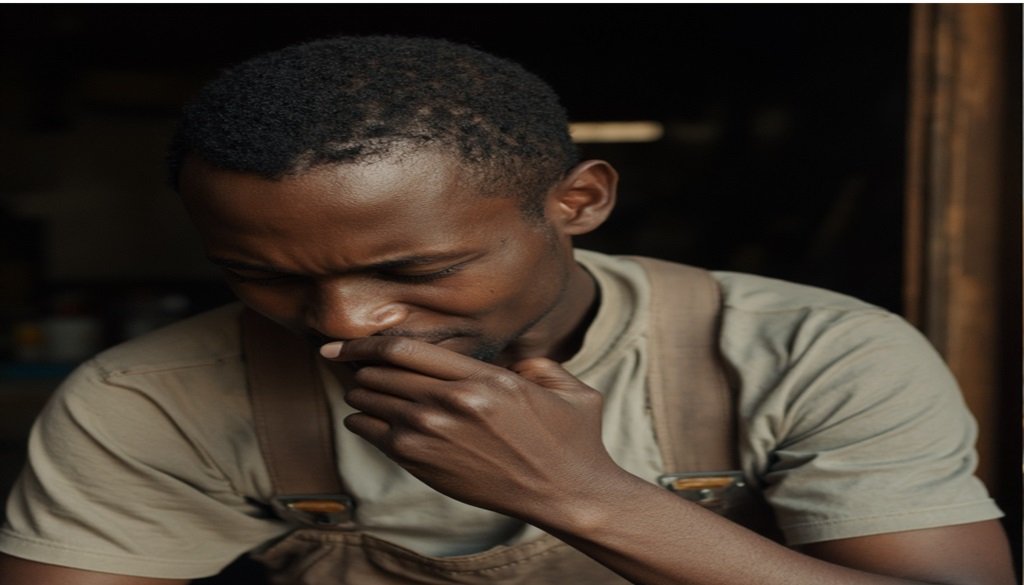
Local Nigerian and African Experts
Nigerian TB program leaders frequently stress that “missing” TB cases are one of the most urgent problems to solve. At national events, officials have highlighted that Nigeria has the highest TB burden in Africa and that every undiagnosed person with TB keeps transmission alive in families and communities.businessday+2
National TB program documents and public statements from the Federal Ministry of Health emphasise scaling up GeneXpert testing, strengthening primary healthcare, and bringing TB services closer to where people live and work. For more technical details, kindly explore NTBLCP resources.
Global Public Health Voices
Global experts echo the message that Nigeria’s progress is central to ending TB worldwide. In the BMJ Global Health article “Ending tuberculosis in Nigeria: a priority by 2030”, researchers call for intensified investment in diagnostics, laboratory capacity, community engagement, and research to close treatment and prevention gaps.
WHO and UN leaders have repeatedly underscored that ending TB by 2030 is a Sustainable Development Goal, and that political declarations at high‑level meetings must translate into real funding, strong programs, and accountability in high‑burden countries.afro.who+1
What Nigerians, Africans and Global Readers Can Do
How Individuals and Families Can Protect Themselves
For individuals and families, the most important step is recognising symptoms early and seeking testing. Persistent cough lasting more than two weeks, weight loss, night sweats, fever, or coughing up blood are warning signs that should prompt a visit to a health facility for TB screening.bmj
In Nigeria and many African countries, TB diagnosis and treatment are offered free of charge in public TB clinics and designated facilities supported by national programs and partners. Completing the full course of treatment, eating a balanced diet, avoiding smoking and indoor air pollution, and following medical advice protect both the patient and their loved ones.afro.who+1
Role of Health Workers and Community Leaders
Health workers like nurses, doctors, laboratory staff, pharmacists, and community health workers, are on the frontlines of TB control. Maintaining a high index of suspicion, especially in people with chronic cough, HIV, or diabetes, and promptly referring them for TB testing can dramatically improve case detection.ihvnigeria+1
Community and faith leaders, teachers, and influencers can help reshape attitudes by talking openly about TB, challenging myths, and encouraging people to test early instead of hiding symptoms. When respected voices normalise TB as an infection that can be treated, stigma begins to lose its power.ihvnigeria+1
How International Partners and Diaspora Can Help
International partners and diaspora communities can support Nigeria’s TB response through funding, advocacy, and innovation. This includes supporting operational research, digital tools for contact tracing and adherence, and capacity‑building for health workers in high‑burden areas.ihvnigeria+1
Cross‑country learning between Nigeria and other high‑burden nations can also speed up adoption of best practices, from community case finding models to integrated TB‑HIV care and shorter treatment regimens. Ending TB is a shared responsibility that requires cooperation across borders and sectors.bmj
FAQs About Nigeria’s TB Crisis
1. What is driving the rise in TB cases in Nigeria today?
The rise in reported TB cases reflects both better case finding and persistent gaps in prevention. Improved diagnostics and outreach are uncovering more infections, but poverty, overcrowding, undernutrition, and weak health systems continue to fuel TB transmission.businessday+1
2. Is TB curable and is treatment free in Nigeria and other African countries?
Yes, TB is curable with the right combination of medicines taken for the full prescribed duration. In Nigeria and many African countries, national TB programs provide free testing and medication in public facilities, though patients may still face some indirect costs like transport or lost income.afro.who+1
3. How dangerous is multidrug‑resistant TB in Nigeria and Africa?
MDR‑TB is serious because it requires longer, more complex, and more expensive treatment, and outcomes can be worse than for drug‑susceptible TB. While the proportion of MDR‑TB cases is smaller than drug‑susceptible TB, the public health impact is significant, especially if diagnosis and treatment are delayed.pmc.ncbi.nlm.nih+1
4. How does Nigeria’s TB crisis affect other countries?
Nigeria’s large population and mobility mean that TB can easily cross borders through travel, trade, and migration. High TB burden in Nigeria makes it harder for the world to reach global End TB targets and increases health security risks for neighbouring countries and beyond.afro.who+1
5. What is being done to end TB in Nigeria by 2030?
Nigeria has committed to global End TB goals and developed national strategic plans that focus on expanding diagnostics, strengthening health systems, engaging communities, and improving data. International partners and local stakeholders are supporting these efforts, but substantial funding and implementation gaps remain.afro.who+3
Final Thoughts
Nigeria’s TB crisis is serious, but it is not hopeless. With stronger political commitment, sustainable funding, robust health systems, and active community engagement, Nigeria can dramatically cut TB deaths and transmission before 2030.afro.who+2
For Nigerians, other Africans, and the global audience, TB is not just a health statistic, it is a test of how much societies value the lives of people who are often poor, marginalised, or voiceless. Every decision to invest in TB services, challenge stigma, or support a neighbour through treatment is a step away from crisis and towards a healthier, more equitable future.hifass-hfi+1
Download our free TB awareness toolkit today by visiting shop@healthsClinic.com. Share this article and encourage your networks in Nigeria, across Africa and in the diaspora to join ongoing campaigns, and support local TB programs with time, skills, or funds.
Medical Disclaimer
This article is for general information and health education only and is not intended to provide a diagnosis, treatment, or substitute for professional medical advice.
Related Reading
- Nigerian Daily Habits That Drain Your Energy
- Top 20 ENT Disorders in Nigeria You Should Know
- Secrets of Longevity: Live Healthier and Age Slower



Pingback: Vaccines in Nigeria: Protecting Our Children