
In many Nigerian communities, conversations about HIV still happen quietly—often wrapped in fear, stigma, or misinformation. People worry about testing, delay care, or assume a diagnosis means the end of a normal life. Yet in clinics across the country, a different reality is becoming clearer every day.
HIV in Nigeria remains a major public health challenge, with millions of people living with the virus. At the same time, there is real progress. More Nigerians are getting tested, starting treatment early, and achieving viral suppression. Modern antiretroviral therapy has transformed HIV from a fatal illness into a manageable long-term condition for those who access care consistently.
From routine clinical experience, the biggest gaps are no longer just medicines—they are awareness, early testing, sustained care, and support free from stigma. When people understand symptoms, know where to get help, and stay on treatment, they can live long, healthy, productive lives.
This guide explains HIV in Nigeria in clear, practical terms—covering current statistics, symptoms at different stages, treatment options, and how to access care nationwide—so individuals, families, and communities can make informed, confident health decisions.
Understanding HIV: What You Need to Know
HIV (Human Immunodeficiency Virus) attacks the body’s immune system, specifically targeting CD4 cells that help fight infections. Without treatment, HIV can progress to AIDS (Acquired Immunodeficiency Syndrome), the most advanced stage where the immune system becomes severely compromised.
The good news is that HIV is no longer a death sentence. Modern antiretroviral therapy allows people living with HIV to maintain healthy immune systems and live normal lifespans. The key is early detection and consistent treatment.
Current HIV Statistics in Nigeria: 2025 Update
National Prevalence and Progress
Nigeria’s national HIV prevalence stands at 1.4% among adults aged 15-49 years, with an estimated 1.9 million people living with HIV. While this represents significant progress from earlier estimates of 2.8%, the country must continue efforts to reach everyone who needs testing and treatment.
According to 2024 data from the World Health Organization, approximately 2 million people in Nigeria have HIV, including both adults and children. The National Agency for the Control of AIDS (NACA) Director-General, Dr. Temitope Ilori, announced in December 2025 that Nigeria has achieved remarkable progress, with 87% of people living with HIV knowing their status, 98% of those who know their status receiving treatment, and 95% of those on treatment achieving viral suppression.
Gender Disparities
Women face disproportionate risk, with HIV prevalence of 1.9% compared to 0.9% among men. Young women aged 20-24 are more than three times as likely to be living with HIV as young men in the same age group. This gender disparity reflects broader issues of inequality, gender-based violence, and power imbalances in relationships.
In 2021, 14,000 young women aged 15-24 acquired HIV, compared to just 3,600 young men, highlighting how gender inequality drives infection rates.
Geographic Distribution Across States
HIV prevalence varies dramatically across Nigeria’s geographic zones:
The South-South zone has the highest HIV prevalence at 3.1% among adults aged 15-49 years, followed by the North Central zone at 2.0% and the South East zone at 1.9%. The North West zone reports the lowest prevalence at 0.6%.
States with the highest burden include Rivers State with 208,767 cases, Benue State with 202,346 cases, Akwa Ibom with 161,597 cases, and Lagos State with 108,649 cases as Nigeria’s commercial hub.
Encouraging Trends and Remaining Challenges
HIV infections have fallen by 39% since 2010, demonstrating the effectiveness of prevention and treatment programs. HIV prevalence has reduced from 4.1% in 2010 to 1.4 in 2019, with new infections decreasing from 120,000 in 2010 to 74,000 in 2021, and HIV-related deaths dropping from 82,000 to 51,000 during the same period.
However, challenges remain. Nigeria has the highest number of annual HIV infections among children in the world, accounting for 14% of the global total. Between 2010 and 2020, Nigeria reduced mother-to-child transmission by only 15%, compared to 70% reductions in countries like South Africa and Uganda.
In 2024 alone, 204,201 individuals from key populations were actively receiving antiretroviral therapy with strong viral suppression rates, demonstrating progress in reaching vulnerable groups.
How HIV is Transmitted: Understanding Risk Factors
Primary Transmission Routes
HIV spreads through specific bodily fluids including blood, semen, vaginal fluids, rectal fluids, and breast milk. The main transmission routes in Nigeria include:
Unprotected Sexual Contact: The most common transmission route, particularly through vaginal or anal intercourse without consistent condom use.
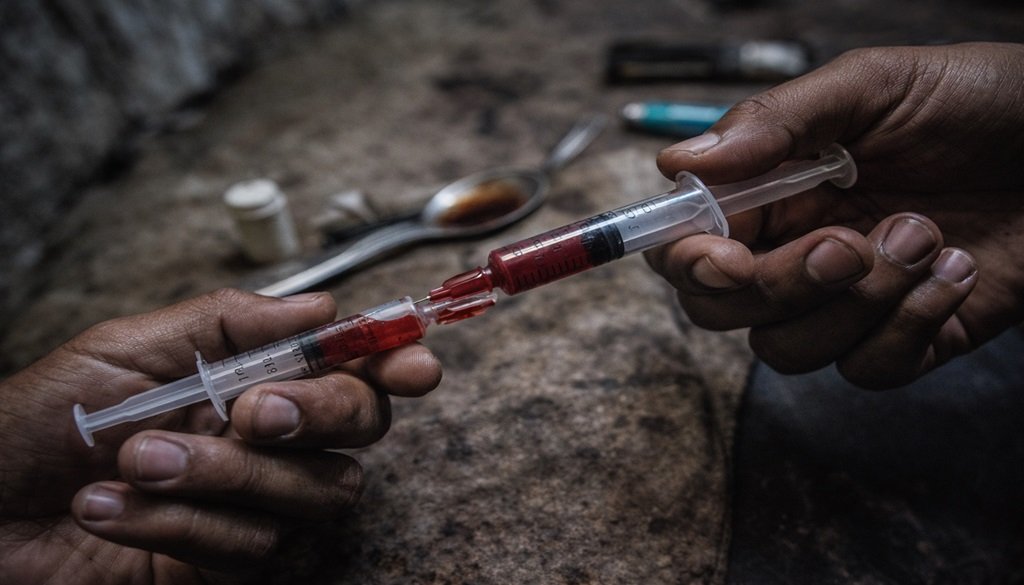
Sharing Needles and Syringes: Provides direct blood-to-blood contact when people inject drugs using contaminated equipment.
Mother-to-Child Transmission: Without intervention, HIV can pass from mother to child during pregnancy, childbirth, or breastfeeding. Prevention programs can reduce this risk significantly.
Blood Transfusions: While rare in modern healthcare settings with proper screening, unsafe blood transfusions can transmit HIV.
Key Risk Factors in the Nigerian Context
Several factors increase HIV risk in Nigeria:
- Multiple concurrent sexual partners
- Low and inconsistent condom use
- Gender-based violence and coerced sex
- Stigma preventing testing and disclosure
- Limited comprehensive HIV education
- Criminalization of key populations
- Traditional practices involving blood contact
- Poverty and economic vulnerability
Only 34% of young men and 43% of young women have comprehensive knowledge about HIV prevention, highlighting critical gaps in education.
HIV prevalence among sex workers in Nigeria is approximately 14%, the highest among key populations, while around 23% of men who have sex with men are estimated to have HIV. These populations face additional barriers due to criminalization and stigma.
Common Misconceptions: How HIV is NOT Transmitted
Understanding what doesn’t transmit HIV is equally important:
- Casual contact like hugging, shaking hands, or sharing food
- Mosquito or other insect bites
- Saliva, tears, or sweat (unless heavily blood-contaminated)
- Sharing toilets, phones, or clothing
- Kissing (unless both people have open sores or bleeding gums)
- Swimming in the same pool
- Touching or being near someone with HIV
Recognizing HIV Symptoms: Early to Late Stages
Stage 1: Acute HIV Infection (2-4 Weeks After Exposure)
Acute HIV infection is the earliest stage and generally develops within 2 to 4 weeks after infection with HIV. During this time, some people have flu-like symptoms such as fever, headache, and rash. About two-thirds of people will have flu-like symptoms within 2 to 4 weeks after HIV infection, lasting anywhere from a few days to several weeks. Some people don’t have any symptoms at all during this early stage.
Common symptoms during acute infection include:
- High fever (often 102°F or higher)
- Severe headache and body aches
- Skin rash (typically non-itchy, flat or slightly raised)
- Sore throat and painful mouth sores
- Swollen lymph nodes (particularly in neck and groin)
- Muscle aches and joint pain
- Night sweats and chills
- Fatigue and general weakness
- Diarrhea and digestive issues
Critical Importance of Early Detection: During the acute stage, the level of HIV in the blood is very high, which greatly increases the risk of HIV transmission. Getting tested and starting treatment during this stage offers the best long-term health outcomes.
If you think you may have been exposed to HIV, get an HIV test whether you have symptoms or not. When you are in the early stage of infection, you are at very high risk of transmitting HIV to others.
Stage 2: Clinical Latency (Chronic HIV Infection)
During chronic HIV infection, HIV continues to multiply in the body but at very low levels. People with chronic HIV infection may not have any HIV-related symptoms. Without antiretroviral therapy, chronic HIV infection usually advances to AIDS in 10 years or longer, though in some people it may advance faster.
According to HIV.gov, latency in HIV infection can last up to 10 or 15 years. During this asymptomatic period, people may experience:
- Occasional episodes of fatigue
- Mild, persistent lymph node swelling
- Recurring minor infections
- Gradual immune system weakening
Even without symptoms, the virus actively damages the immune system and remains transmissible to others. Regular medical monitoring of CD4 counts and viral load becomes essential during this stage.
Stage 3: AIDS (Advanced HIV)
A CD4 count below 200 cells per cubic millimeter (compared to the normal range of 500-1,600 cells/mm³) indicates AIDS progression. Without treatment, HIV eventually progresses to AIDS when the immune system becomes severely compromised.
Symptoms of advanced HIV/AIDS include:
- Rapid, unexplained weight loss (often called “wasting syndrome”)
- Recurring fever and persistent night sweats
- Extreme, unexplained fatigue
- Prolonged diarrhea lasting more than one week
- Chronic white patches in the mouth or throat (oral thrush)
- Severe pneumonia or persistent cough
- Tuberculosis (TB), the leading cause of death among people with AIDS in Nigeria
- Skin lesions or discolored patches (Kaposi’s sarcoma)
- Memory loss and neurological problems
- Depression and other mental health changes
People with AIDS become vulnerable to opportunistic infections—diseases that typically don’t cause severe illness in people with healthy immune systems but can be life-threatening for those with compromised immunity.
HIV Testing in Nigeria: Know Your Status

Types of HIV Tests Available
Several testing methods are available throughout Nigeria:
Rapid Antibody Tests: Provide results within 20-30 minutes using a finger prick blood sample or oral swab. These tests detect antibodies the body produces in response to HIV infection.
Laboratory-Based Tests: More comprehensive tests conducted at medical facilities, typically providing results within 1-3 days with higher accuracy.
Self-Testing Kits: The availability of HIV self-testing kits increased by 20% in Nigeria in 2022, improving testing rates. These allow private testing at home with results in 15-20 minutes.
Antigen/Antibody Combination Tests: Detect both HIV antibodies and p24 antigen, allowing earlier detection than antibody-only tests.
Where to Get Tested
The proportion of Nigerians tested for HIV at least once in their lifetime increased from 35% in 2018 to 45% in 2022. HIV testing is widely available across Nigeria through:
- Government Health Facilities: Federal Medical Centers, State Hospitals, and Primary Health Centers offer free testing
- Private Hospitals and Clinics: Available in urban areas with varying costs
- NGO Testing Centers: Organizations like AIDS Healthcare Foundation (AHF), Society for Family Health (SFH), and APIN provide free or low-cost testing
- Community Outreach Programs: Mobile testing units visit communities, markets, and public spaces
- Pharmacies: Some offer rapid testing services
The National Agency for the Control of AIDS (NACA) website maintains updated directories of testing locations across all 36 states.
Understanding Test Results and Window Period
The “window period” refers to the time between HIV exposure and when tests can reliably detect the infection. Different tests have different window periods, so timing matters for accurate results.
If you test negative but had recent exposure, retesting after the window period ensures accuracy. All reactive (positive) tests require confirmatory testing to ensure accuracy before diagnosis.
HIV Treatment in Nigeria: Living Well with Modern Medicine
Standard antiretroviral therapy (ART) consists of the combination of at least three antiretroviral drugs to maximally subdue the HIV virus and stop the progression of HIV disease. ART has transformed HIV from a fatal diagnosis into a manageable chronic condition.
How ART Works: These medications prevent HIV from replicating, allowing the immune system to recover and maintain strength. With consistent treatment, people with HIV who maintain an undetectable viral load through treatment cannot sexually transmit the virus to partners. People who take HIV medicine as prescribed can live long and healthy lives.
This concept, known as U=U (Undetectable = Untransmittable), has been confirmed through multiple large scientific studies and represents a revolution in HIV treatment and prevention.
Common ART Regimens in Nigeria
Nigeria follows World Health Organization (WHO) guidelines for HIV treatment. First-line regimens typically combine three antiretroviral drugs from at least two different classes:
- Tenofovir + Lamivudine + Dolutegravir (TLD) – preferred first-line regimen
- Tenofovir + Emtricitabine + Efavirenz (TLE)
- Zidovudine-based regimens for specific situations
These fixed-dose combinations simplify treatment by combining multiple medications into a single daily pill, making adherence easier.
Starting Treatment: What to Expect
Nigeria has adopted a “test and treat” policy, meaning anyone diagnosed with HIV should start treatment immediately, regardless of CD4 count. This approach offers the best health outcomes and prevents transmission.
After starting ART, most people experience:
- Gradual viral load reduction over 3-6 months
- CD4 count improvement as the immune system recovers
- Improved energy levels and overall health
- Reduced risk of opportunistic infections
- Better quality of life
Research trials found that there was a 53% reduction in the risk of death or serious illness if treatment was started with a high CD4 cell count, emphasizing the importance of early treatment initiation.
Regular monitoring includes viral load tests every 6 months and CD4 count checks to ensure treatment effectiveness.
Managing Side Effects
While modern HIV medicines have fewer side effects than earlier treatments, some people experience temporary issues:
- Nausea or digestive problems (usually resolve within weeks)
- Headaches or dizziness
- Fatigue
- Sleep disturbances
- Mood changes
Most side effects resolve within the first few weeks as your body adjusts. Never stop taking medication without consulting your healthcare provider, as this can lead to drug resistance and disease progression.
Prevention Options: PrEP and PEP
Pre-Exposure Prophylaxis (PrEP): Daily medication for HIV-negative people at high risk of infection. When taken consistently, PrEP reduces the risk of getting HIV from sex by about 99%. PrEP is increasingly available in Nigeria, though access remains limited compared to treatment.
Post-Exposure Prophylaxis (PEP): Emergency medication taken within 72 hours after potential HIV exposure. PEP involves taking antiretroviral medicines for 28 days to prevent infection. The sooner you start PEP after exposure, the more effective it is.
Both prevention methods are available through major treatment centers, though scaling up access remains a priority.
Accessing HIV Care and Support in Nigeria
Government Programs and Free Treatment
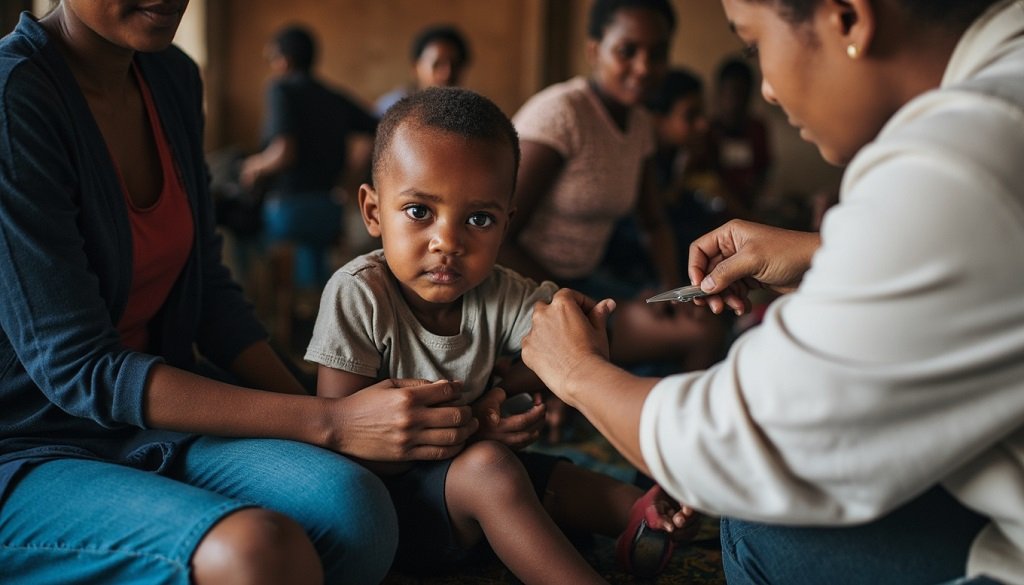
The Federal government of Nigeria introduced the national ART programme in 2002, and by 2006, started a program with the goal of providing ARV drugs at no cost to about 250,000 HIV-positive patients. The program has since expanded significantly.
When global funding uncertainties threatened services, the federal government injected $200 million to ensure uninterrupted delivery of HIV prevention, testing, and treatment services. This demonstrates Nigeria’s commitment to sustaining its HIV response despite external funding challenges.
The National AIDS Control Programme, managed by NACA, coordinates HIV response efforts across all 36 states. Through PEPFAR’s support, more than 1.6 million Nigerians out of an estimated two million living with HIV now have access to antiretroviral treatment.
Major Treatment Centers and Organizations
National Agency for the Control of AIDS (NACA): The coordinating body for Nigeria’s HIV response. NACA provides policy direction, coordinates stakeholders, and manages the national program. Visit naca.gov.ng for information and resources.
AIDS Healthcare Foundation (AHF) Nigeria: Operating since 2011, AHF Nigeria has conducted more than 2.5 million HIV tests and provides free ART, TB/HIV co-infection management, and comprehensive care. Contact: +234 9050837511 or visit facilities in Abuja and Benue.
Society for Family Health (SFH): One of Nigeria’s largest implementing partners, SFH operates One-Stop Shops providing integrated HIV services including testing, counseling, STI treatment, and ART for key populations. They work extensively in Lagos, Akwa Ibom, and FCT.
Institute of Human Virology Nigeria (IHVN): Implements the AIDS Care and Treatment in Nigeria (ACTION) program, providing comprehensive care at tertiary and secondary health facilities across multiple states.
CDC-Supported Facilities: The U.S. Centers for Disease Control and Prevention supports HIV programs in high-burden states including Akwa Ibom, Lagos, Rivers, Benue, and Cross River.
Finding Care by Location
Lagos State (Nigeria’s Commercial Hub):
- Lagos State University Teaching Hospital (LASUTH)
- Lagos University Teaching Hospital (LUTH)
- Primary Health Centers across all 20 Local Government Areas
- St. Nicholas Hospital, Victoria Island
- National Orthopedic Hospital, Igbobi
- Federal Medical Centre, Ebute Metta
Abuja (Federal Capital Territory):
- University of Abuja Teaching Hospital
- National Hospital Abuja
- AHF Nigeria Wellness Center, Jabi
- Federal Medical Centre, Jabi
- Asokoro District Hospital
High-Prevalence States:
- Rivers: University of Port Harcourt Teaching Hospital, Braithwaite Memorial Hospital
- Benue: Federal Medical Centre Makurdi, Benue State University Teaching Hospital
- Akwa Ibom: University of Uyo Teaching Hospital, General Hospital Ikot Ekpene
- Cross River: University of Calabar Teaching Hospital
- Kaduna: Kaduna State Teaching Hospital, Barau Dikko Teaching Hospital
Support Groups and Counseling Services
Connecting with others living with HIV provides emotional support and practical guidance. Support groups operate through:
- Treatment facilities (hospital-based support groups)
- Community-based organizations
- Network of People Living with HIV/AIDS in Nigeria (NEPWHAN)
- Online communities and WhatsApp groups
- Peer navigator programs
NACA has strengthened integration of HIV services into wider health systems and expanded enrollment of people living with HIV into state health insurance schemes, making comprehensive care more accessible.
Financial Assistance and Patient Rights
Free Services Available:
- HIV testing and counseling at government facilities
- Antiretroviral medications through national program
- CD4 and viral load monitoring
- Treatment of opportunistic infections
- Prevention of mother-to-child transmission services
- Basic laboratory tests
Patient Rights: Nigeria’s HIV Anti-Discrimination Act (2014) protects people living with HIV from discrimination in employment, healthcare, and education. Your HIV status remains confidential, and healthcare providers cannot disclose your status without consent.
If you face discrimination or need legal support, organizations like NEPWHAN provide advocacy services and can connect you with legal resources.
Living Well with HIV: Beyond Medical Treatment

Nutrition and Lifestyle
Good nutrition supports immune function and helps your body respond to treatment effectively. Focus on:
- Balanced meals with adequate protein, fruits, and vegetables
- Safe food preparation to avoid foodborne illnesses
- Proper hydration (at least 8 glasses of water daily)
- Regular physical activity (at least 30 minutes, 5 days weekly)
- Adequate sleep (7-9 hours nightly)
- Avoiding smoking and limiting alcohol consumption
Mental Health and Emotional Wellbeing
Living with HIV affects mental health in various ways. Common challenges include:
- Anxiety about disclosure and stigma
- Depression, particularly after diagnosis
- Stress related to treatment adherence
- Fear of rejection in relationships
- Concerns about the future
The People Living With HIV Stigma Index (2021) found 20% of people with HIV had experienced HIV-related stigma in the past 12 months, while around 60% of Nigerians hold discriminatory attitudes toward people with HIV. This stigma can significantly impact mental health.
Counseling services, available at most treatment centers, provide essential support. Don’t hesitate to request mental health services—they’re as important as physical health care. Many facilities now offer integrated mental health support alongside HIV treatment.
Disclosure and Relationships
Deciding when and how to disclose your HIV status remains deeply personal. Consider:
- Telling sexual partners before intimate contact to protect their health
- Informing healthcare providers for proper comprehensive care
- Sharing with trusted family or friends for emotional support
- Taking time to process your diagnosis before widespread disclosure
Remember: When viral load is undetectable through consistent treatment, the risk of sexual transmission becomes negligible (U=U: Undetectable = Untransmittable). This scientific fact can provide reassurance when navigating relationships.
Family Planning and Pregnancy
People living with HIV can have healthy children through:
- Effective viral suppression before conception
- Prevention of mother-to-child transmission (PMTCT) programs
- Safe conception methods
- Antiretroviral therapy during pregnancy and breastfeeding
- Comprehensive prenatal care
New HIV infections among children under 5 in Nigeria decreased by 35% between 2017 and 2022, due to improved PMTCT programs. With proper medical care and viral suppression, transmission rates can drop below 2% in well-resourced programs.
Prevention Strategies: Protecting Yourself and Others
Individual Prevention Methods
- Consistent Condom Use: Latex or polyurethane condoms provide highly effective protection when used correctly every time
- Know Your Status: Regular testing every 3-6 months if sexually active or at risk
- Reduce Number of Partners: Fewer partners reduces exposure risk
- Avoid Sharing Needles: Never share injection equipment for any purpose
- Consider PrEP: Daily medication for those at high risk can prevent infection
- Treat STIs Promptly: Other sexually transmitted infections increase HIV transmission risk
- Practice Safe Blood Handling: Use gloves when handling blood or wounds
Community and Structural Prevention
Ending the HIV epidemic requires community-level interventions:
- Comprehensive sex education in schools and communities
- Reducing stigma and discrimination through awareness campaigns
- Protecting human rights of vulnerable populations
- Ensuring safe blood supply at all healthcare facilities
- Expanding access to testing and treatment services
- Supporting harm reduction programs for people who inject drugs
- Addressing gender inequality and violence
- Economic empowerment programs for women and youth
New HIV infections declined by only 46% from 2010 to 2023 compared to a target of 80%, indicating that prevention efforts need strengthening. Only 3% of AIDS expenditure in Nigeria in 2019 was on HIV prevention, compared to 27% of global AIDS expenditure on prevention, highlighting the need for increased investment in prevention strategies.
Frequently Asked Questions About HIV in Nigeria
Q: Can HIV be cured?
Currently, there is no cure for HIV. However, antiretroviral therapy effectively controls the virus, allowing people to live long, healthy lives. Research shows that people who start HIV treatment early can live as long as people who do not have the virus, largely due to the advancement of HIV medicines. Scientists continue researching potential cures, including stem cell therapies and gene editing, but ART remains the standard, highly effective treatment.
Q: How long can someone live with HIV?
With early diagnosis and consistent treatment, people with HIV can expect near-normal life expectancy. Studies show that people starting treatment early with good adherence can live as long as HIV-negative individuals of similar age. The key factors are early detection, immediate treatment initiation, and excellent medication adherence.
Q: Is HIV treatment free in Nigeria?
Yes, the Nigerian government provides free antiretroviral therapy at designated public health facilities nationwide. Testing, counseling, and basic laboratory monitoring are also available at no cost through government programs and partner organizations. The Federal government heavily subsidizes the price of drugs with help from several donor agencies.
Q: Can I have children if I’m HIV positive?
Absolutely. With proper medical care and viral suppression, people living with HIV can safely conceive and have healthy, HIV-negative children. The proportion of HIV-positive pregnant women receiving ART to prevent mother-to-child transmission increased to 87% in 2022. Prevention of mother-to-child transmission programs have reduced transmission rates significantly when protocols are followed consistently.
Q: How often should I get tested for HIV?
Testing frequency depends on your risk factors:
- Annual testing for sexually active adults in monogamous relationships
- Every 3-6 months for people with multiple partners or other risk factors
- Immediately after any potential exposure
- Before starting a new sexual relationship
- During pregnancy (recommended for all pregnant women)
The proportion of Nigerians tested for HIV at least once in their lifetime increased from 35% in 2018 to 45% in 2022, but many more people still need to know their status.
Q: What happens if I miss doses of my HIV medication?
Missing doses can lead to drug resistance, making your current medication less effective or ineffective. If you miss a dose, take it as soon as you remember unless it’s almost time for the next dose. Never double up on doses. Contact your healthcare provider if you frequently miss doses—they can help develop adherence strategies, adjust your regimen, or address barriers to consistent medication taking.
Q: Can I work if I have HIV?
Yes, absolutely. Nigerian law protects people living with HIV from workplace discrimination. You don’t need to disclose your status to employers, and HIV status cannot be grounds for dismissal or refusal to hire. Many people with HIV maintain successful, productive careers while managing their health effectively.
No. Scientific evidence confirms that people with HIV who maintain an undetectable viral load through consistent treatment cannot sexually transmit the virus to partners. This concept, known as U=U (Undetectable = Untransmittable), has been confirmed through multiple large studies involving thousands of couples. However, maintaining consistent treatment and regular monitoring is essential to keep viral load undetectable.
Q: What foods should I eat or avoid with HIV?
Focus on a balanced diet rich in fruits, vegetables, whole grains, lean protein, and healthy fats. Avoid undercooked meat, raw eggs, unpasteurized dairy products, and unwashed fruits and vegetables, as your immune system may be more vulnerable to foodborne illnesses. Stay well-hydrated, limit alcohol consumption, and avoid excessive sugar and processed foods. Good nutrition supports your immune system and helps medications work effectively.
Q: How do I find support groups for people living with HIV?
Ask your healthcare provider about hospital-based support groups. Organizations like NEPWHAN, AHF Nigeria, and state AIDS control agencies coordinate support groups across Nigeria. Many facilities also offer peer counseling programs connecting newly diagnosed individuals with experienced mentors. Online communities and WhatsApp groups provide additional support options for those who prefer virtual connections.
Final Thoughts: Hope and Progress in Nigeria’s HIV Response
Nigeria has made remarkable strides in addressing HIV over the past decade. Nigeria has achieved two of the three global 95-95-95 HIV targets, marking a major milestone in its national response. HIV prevalence has reduced from 4.1% in 2010 to 1.4 in 2019, new infections decreased from 120,000 in 2010 to 74,000 in 2021, and HIV-related deaths dropped from 82,000 in 2010 to 51,000 in 2021.
However, significant work remains. Dr. Temitope Ilori acknowledged that Nigeria still faces persistent stigma and discrimination, heavy reliance on external funding, a high pediatric HIV burden, and underserved hard-to-reach areas. Addressing these challenges requires sustained commitment, increased domestic financing, and community engagement.
The Path Forward
Dr. Ilori pledged that Nigeria will scale up domestic financing, expand access to PrEP, accelerate efforts to eliminate mother-to-child transmission, and intensify prevention services for key and vulnerable groups. The country has announced plans to begin domestic production of HIV commodities, including test kits and antiretroviral drugs, to strengthen self-reliance and sustainability.
Innovation is gaining momentum with lenacapavir, a new long-acting medicine that can prevent HIV infection with twice-a-year injections, offering a transformative opportunity in high-burden settings like Nigeria.
A Message of Hope
If you’re living with HIV, know that you can lead a full, healthy, productive life. Modern treatment is highly effective, and with proper care, your HIV diagnosis doesn’t define your future. Connect with healthcare providers, join support communities, and stay committed to your treatment plan.
If you’re HIV-negative, protect yourself through consistent prevention methods, regular testing, and comprehensive knowledge. Consider whether PrEP might be right for you if you face higher risk. Support friends and family members living with HIV by reducing stigma and providing compassionate understanding.
Everyone plays a role in ending HIV stigma and transmission. Compassion, accurate information, and support for people living with HIV strengthen our communities and advance progress toward ending the epidemic.
Take Action Today
- Get Tested: Know your status—it’s the first step toward health and prevention
- Start Treatment Immediately: If positive, begin ART right away for the best outcomes
- Reduce Stigma: Challenge discrimination and support people living with HIV with compassion
- Stay Informed: Follow NACA, UNAIDS, and HIV.gov for updates
- Seek Support: Connect with healthcare providers, counselors, and support groups
- Practice Prevention: Use condoms consistently, get tested regularly, consider PrEP if at risk
- Advocate: Support policies that expand access to testing, treatment, and care
Additional Resources
National Contacts:
- National Agency for the Control of AIDS (NACA): naca.gov.ng
- AIDS Healthcare Foundation Nigeria: +234 9050837511
- Network of People Living with HIV/AIDS in Nigeria (NEPWHAN)
- Society for Family Health (SFH): Multiple locations across Nigeria
International Resources:
- UNAIDS: www.unaids.org
- World Health Organization HIV Program: www.who.int/health-topics/hiv-aids
- HIV.gov (U.S. Government): www.hiv.gov
- CDC Global HIV & TB: www.cdc.gov/global-hiv-tb
Medical Disclaimer:
This article is for educational purposes only and is not intended to replace professional medical advice, diagnosis, or treatment. If you have concerns about HIV, testing, or treatment, please consult a qualified healthcare provider or visit a recognised health facility for personalised care.
Related Reading
- Top 20 Common Allergic Disorders in Nigeria
- Chronic Kidney Disease: Causes, Symptoms and Management
- Curb Heart Attacks in Nigeria with Home Solutions


Pingback: Lassa Fever in Nigeria: Symptoms & Treatment
Pingback: Nigeria’s TB Crisis: Rising Cases and Hidden Gaps
Разумный подход к азарту — это набор мер, ориентированных на поддержание контроля над своими действиями.
Её главная идея состоит в добровольном ограничении времени и финансовых затрат на игру.
Пользователю следует заранее определить максимальную сумму и строго придерживаться этого порога.
https://relax-spb.ru/read-info/2895-venesuela-potryasena-podvodnyy-gigant-shepchet-o-tsunami-posle-zemletryaseniya-magnitudoy-71.html
Платформы должны предоставлять инструменты проверки: паузы, лимиты депозитов и тесты на зависимость.
Ключевой аспект — воспринимать к игре исключительно как к развлечению, а не способу заработка.
При появлении признаков проблемного поведения (погоня за потерянным) стоит активировать самоисключение или обратиться за помощью к специалистам.
Соблюдение этих установок обеспечивает безопасность психики и денежную устойчивость, а главное — оставляет интерес в здоровых границах.
Разумное отношение к азарту — это принцип к игровым развлечениям, основанный на самоограничении и осознании последствий.
Эта концепция подразумевает добровольное ограничение продолжительности и бюджета на игру.
Каждый игрок должен предварительно устанавливать пределы потерь и строго их соблюдать.
https://labdiz.ru/full/516-budushchee-onlayn-kazino-rol-innovatsiy-v-randx.htm
Осознанный гемблинг — это подход к азартным сессиям, базирующийся на самоограничении и осознании рисков.
Эта концепция предполагает осознанное лимитирование продолжительности и расходов на процесс.
Любой участник обязан заранее определять пределы потерь и строго их придерживаться.
https://bookworm.fashionsecret.ru/DqaHWe0XVuoG/
Разумное отношение к азарту — это стратегия к казино, базирующийся на контроле и осознании рисков.
Она предполагает осознанное ограничение времени и расходов на игру.
Любой игрок должен предварительно определять лимиты потерь и неукоснительно их придерживаться.
https://moneywise.fashionsecret.ru/2BwVjWHPzrQG/
Для учителей повышение компетенций являются критическими, поскольку они дают возможность осваивать новейшие подходы.
В результате подобным программам специалисты имеют шанс подстраиваться к меняющимся условиям учебного процесса.
Таким образом существенно повышается качество педагогической работы, что непосредственно сказывается на студентах и их достижения.
https://progorod58.ru/kursy-tyutorov-kak-stat-provodnikom-obucheniya-i-razvitiya
Разумное отношение к азарту — это стратегия к казино, основанный на самоограничении и осознании рисков.
Она включает осознанное лимитирование времени и расходов на процесс.
Любой участник обязан заранее устанавливать лимиты ставок и строго их соблюдать.
https://femidasurgut.ru/info/2026-06-02-pervyy-ege-v-rossii-proshyol-bez-tekhnicheskikh-sboev-i-utechek.htm
Кроссовки бренда — это стильный союз итальянской элегантности и новейших направлений.
Ключевой деталью подобных моделей считается броский дизайн с применением дорогих тканей и фирменной фурнитуры.
Такие модели отлично подходят для городской жизни, внося в стиль штрих элегантности.
https://nanmed.ru/read/4153-ukhod-za-krossovkami-dolce-and-gabbana-kak-sokhranit-vneshniy-vid-i-prodlit-srok-sluzhby/
הפלטפורמה hasfaniyot.net מציע מגוון רחב של תכנים המיועדים למשתמשים הישראלי.
בפלטפורמה תוכלו להכיר תוכן מגוונים בנושא למבוגרים באיכות גבוהה.
הפלטפורמה מאפשרת אפשרות נוחה לתכנים הללו באמצעות הקפדה על אנונימיות המשתמש.
https://hasfaniyot.net/
Ответственная игра — это стиль поведения, при котором азарт являются формой отдыха, а не средством поправить финансовое положение.
Такой подход строится на контроле временем и расходами, а ещё на понимании своих границ.
https://1-mk.ru/detail/480-trendovye-stili-krossovok-dolce-and-gabbana-v-2024-godu-chto-aktualno-na-ulitsakh/
На данном сайте можно отыскать массу полезной сведений.
https://dvery35.ru/article/4483-tayna-ischeznoveniya-83-letnego-pensionera-v-sverdlovskoy-oblasti.html
Здесь портале можно найти много ценной информации.
https://sorrybabushka.ru/interesting/541-kak-adaptirovat-podiumnye-tendentsii-k-povsednevnoy-odezhde.html
На этом портале есть возможность обнаружить массу нужной сведений.
https://legicon-pravo.ru/data/3652-tekhnologii-amortizatsii-v-sovremennykh-krossovkakh-sravnitelnyy-obzor.html
Здесь сайте вы сможете обнаружить обилие нужной материалов.
https://pilot-club.ru/info/2026-07-20-turbulentnyy-shok-u-ekaterinburg-areny-desyatki-pozharnykh-mashin-s-krikami-pribilis-k-stsene/
A generic medication is a formulation that is developed to be equivalent a brand-name product in potency, purity, and effectiveness.
It includes the same therapeutic component as the reference drug, however may differ in excipients and cost.
To be approved, a generic drug must demonstrate pharmaceutical equivalence to the innovator product, ensuring it’s as safe and potent.
pde5 inhibitors for erectile dysfunction
Здесь портале можно найти съемное жилье в Турции.
На сайте (аренда квартиры в турции) представлены все объекты в аренду квартир в Турции.
Представленный портал даст возможность подобрать жилье в Турции.
На данном ресурсе есть возможность обнаружить обилие практичной материалов.
https://malevolentintent.guildlaunch.com/users/blog/6706305/2458368/%D1%81%D1%80%D0%BE%D1%87%D0%BD%D1%8B%D0%B9-%D0%B2%D1%8B%D0%BA%D1%83%D0%BF-%D0%B0/?gid=399061
На представленном ресурсе легко обнаружить немало ценной сведений.
https://omskapteka.ru/info/524-novyy-mrt-skaner-v-odkb-bolee-700-issledovaniy-uzhe-za-plechami.htm
На данном портале есть возможность отыскать много полезной сведений.
https://eurasia-log.ru/blog/2026-07-22-pyanyy-ugonshchik-v-chaplyginskom-rayone-osuzhdyon-lishyon-prav-i-poluchil-realnyy-srok/
ЛГБТ включает индивидов с разнообразной сексуальностью и разнообразием гендерных идентичностей mathias gay xxx
Digital experiences provide participants the superb way to interact and have fun with gamers internationally.
https://www.mixcloud.com/cohos82685/
На этом портале вы сможете найти массу нужной информации.
https://icefashion.ru/read/1840-podarochnyy-gid-kakie-sumki-jimmy-choo-podkhodyat-dlya-raznykh-prazdnikov/
Бизнес служит значимым локомотивом прогресса экономики.
Оно создаёт дополнительные вакансии и обеспечивает населению стабильный доход.
https://typical-moscow.ru/oleg-belaj-30-let-na-odnoj-volne-s-rynkom/
Кроме того, бизнес стимулирует прогресс и разработку современных решений.
Таким образом, предпринимательство делает среду более устойчивой и создаёт путь к успеху.
La ludopatía responsable consiste en un enfoque que procura conservar la moderación respecto a las apuestas así como minimizar las consecuencias negativas asociados con el juego.
Implica definir topes de tiempo previo a participar, así como detectar las alertas de una posible adicción.
https://www.apkfiles.com/apk-622658/descargar-mobcash-apk-oficial-gesti-n-de-caja-m-vi
Igualmente, promueve decisiones informadas así como procura que la el esparcimiento permanezca el propósito principal al la experiencia.
En síntesis, el juego responsable permite a los jugadores a conservar el dominio sobre sus hábitos y a gozar el juego de manera saludable.
На нашем ресурсе удастся почерпнуть огромное количество полезных статей.
Тут собраны разнообразные руководства на животрепещущие направления.
Всякий посетитель сумеет изучить что-то интересного и пополнить свой понимание.
Материалы постоянно дополняются, чтобы пользователи всегда располагали доступ к наиболее новейшей информации.
https://sakhaday.ru/news/vmesto-nadoevshih-makaron-gotovlyu-alio-olio-i-peperonchino-vsego-15-minut-i-uzhin-gotov