

For many Nigerians, the moment lab results arrive is filled with quiet anxiety. A message comes in on WhatsApp from the lab, or a folded result sheet is handed over at the clinic. You scan the page and see numbers, symbols, and letters like H or L. Someone nearby says, “It’s small, don’t worry,” while another advises drugs, herbs, or a repeat test in a different lab. In that moment, what most people want is not medical jargon but clarity.
This is exactly why understanding what your lab numbers really mean in Nigeria matters. Lab results are not verdicts. They are signals that need calm interpretation, context, and guidance. When explained properly, they can help you take control early, avoid unnecessary panic, and protect your long-term health.
This guide explains what your lab numbers really mean in Nigeria, using real Nigerian experiences, clear language, and doctor-led insight—so you know when to act, when to monitor, and when not to worry.
Why Nigerians Often Feel Confused About Lab Results
Many people ask the same question: “Why do my lab numbers confuse me so much?” The answer is not because you are careless or uninformed. It is because the system rarely explains what your lab numbers really mean in Nigeria in a way that fits real life.
Some common reasons include:
- Different reference ranges across labs
Two labs may give slightly different “normal” values for the same test, causing confusion. - Rushed clinic visits
Doctors are often under pressure, leaving little time to explain results in detail. - Self-medication and herbal use
Many Nigerians take herbs, supplements, or over-the-counter drugs that can affect lab numbers. - One-off testing
A single test is often treated as final instead of being seen as part of a pattern.
Understanding what your lab numbers really mean in Nigeria starts with knowing that context matters more than isolated numbers.
How Doctors Actually Read Lab Numbers

One important truth many people do not hear enough is this: doctors do not treat numbers alone. To truly understand what your lab numbers really mean in Nigeria, doctors look at three things together:
- Your symptoms—how you feel
- Your history—age, lifestyle, past illnesses, medications
- Your lab trends—changes over time, not one value
This is why a doctor may say, “Let’s watch this,” even when a number is slightly high. Mild abnormalities often reflect stress, recent illness, dehydration, or even poor sleep.
As the Nigerian Heart Foundation emphasizes, early interpretation and monitoring—rather than panic—help prevent long-term complications, especially for blood pressure, sugar, and cholesterol.
Lab Numbers Nigerians Panic About (But Often Don’t Need To)
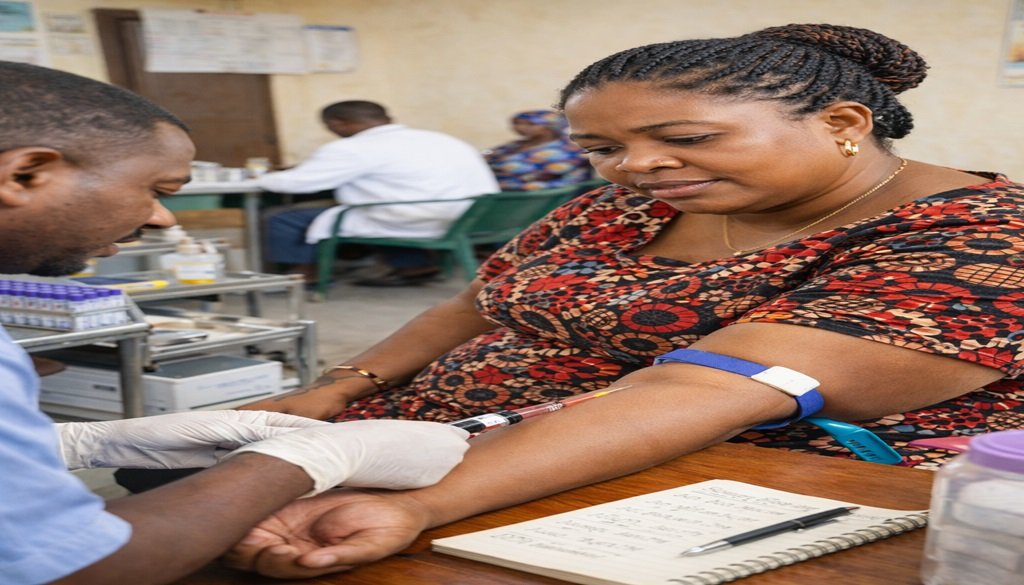
Slightly High Blood Sugar Results
Many Nigerians see a fasting blood sugar slightly above normal and immediately fear diabetes. In reality, stress, lack of sleep, recent illness, or poor fasting can temporarily raise sugar levels.
Understanding what your lab numbers really mean in Nigeria means knowing when to repeat a test calmly before jumping to conclusions.
According to the Endocrine and Metabolism Society of Nigeria, diagnosis requires repeat testing or HbA1c—not a single value.
Mildly Elevated Cholesterol Levels
Cholesterol numbers often scare people unnecessarily. Mild elevations may respond well to diet changes, weight control, and activity—without immediate drugs.
The Nigerian Cardiac Society stresses lifestyle-first approaches for many patients.
Slightly Raised Liver Enzymes (ALT, AST)
Painkillers, alcohol, herbal mixtures, and even malaria treatment can raise liver enzymes temporarily. A repeat test after stopping the trigger often tells the real story.
This is another example of what your lab numbers really mean in Nigeria—context before panic.
Lab Numbers Doctors Take Very Seriously (Even If You Feel Fine)
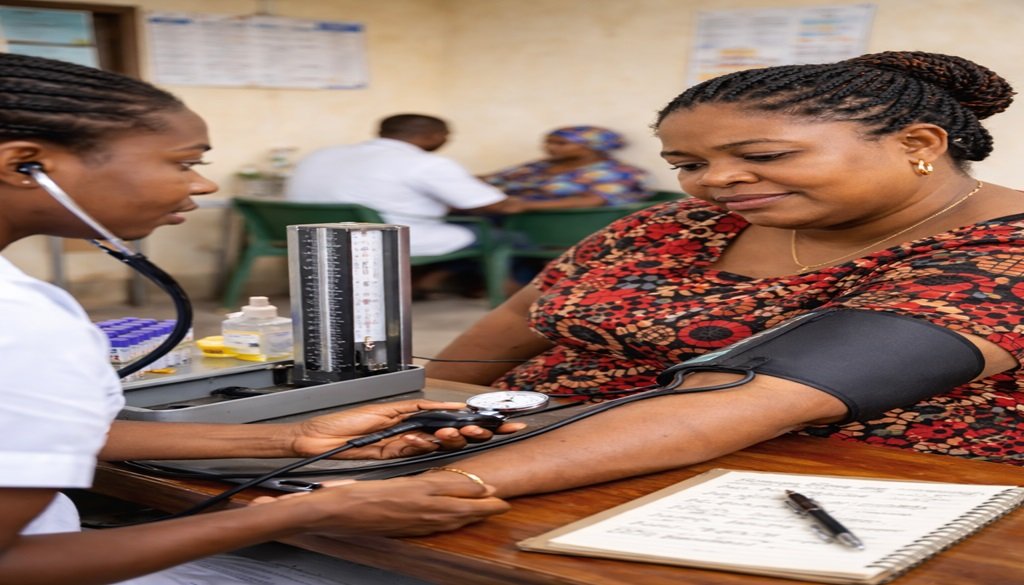
Persistently High Blood Pressure Readings
High blood pressure often has no symptoms yet causes silent damage. Repeated high readings need action, even if you “feel okay.”
The World Health Organization identifies hypertension as a leading cause of preventable death globally, including in Nigeria.
High Fasting Blood Sugar or HbA1c
Unlike one-off sugar readings, consistently high results indicate long-term risk. Early lifestyle changes can prevent complications.
Harvard Health Publishing highlights that early control reduces heart, kidney, and nerve damage.
Abnormal Kidney Markers (Creatinine, Urea)
Dehydration can raise creatinine slightly, but persistent elevation requires attention. Kidney disease often progresses silently.
The Nigerian Association of Nephrology advises early detection and monitoring to prevent advanced kidney failure.
Common Lab Tests Explained Simply (Nigeria-Focused)
Blood Pressure
- What it checks: Force of blood against artery walls: Download Free BP Tracker Now
- When to worry: Persistent readings ≥140/90 mmHg
- What to do: Monitor regularly, reduce salt, manage stress
Understanding what your lab numbers really mean in Nigeria helps avoid ignoring silent dangers.
Blood Sugar (FBS & HbA1c)
- What it checks: Sugar control in blood
- When to worry: Consistently high readings
- What to do: Repeat testing, diet changes, professional care
The Mayo Clinic confirms that lifestyle intervention works best when started early.
Lipid Profile
- What it checks: Cholesterol and heart risk
- When to worry: High LDL with other risk factors
- What to do: Diet, exercise, weight control
Full Blood Count (FBC)
- What it checks: Blood cells and immunity
- When to worry: Severe anemia or abnormal white cells
- What to do: Treat cause, not just the number
Liver Function Tests
- What it checks: Liver health
- When to worry: Persistently high enzymes
- What to do: Review drugs, alcohol, herbs
Kidney Function Tests
- What it checks: Kidney filtration
- When to worry: Rising creatinine over time
- What to do: Hydration, review medications, medical follow-up
Nigerian Factors That Can Distort Lab Results
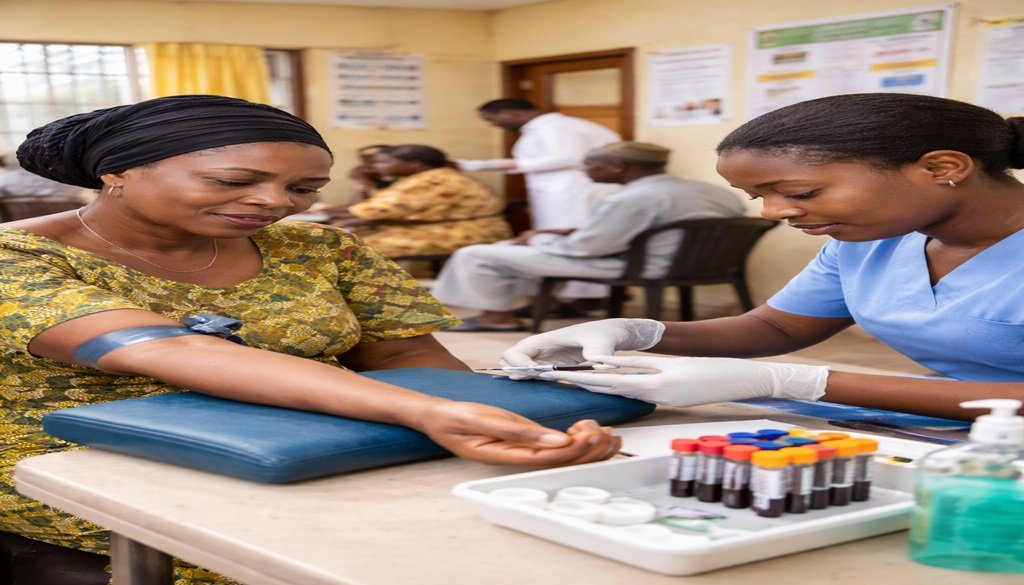
To truly grasp what your lab numbers really mean in Nigeria, you must consider local factors:
- Not fasting properly before tests
- Herbal mixtures and supplements
- Recent malaria or infections
- Poor hydration due to heat
- Variation in lab quality
The Africa Centres for Disease Control and Prevention notes that pre-test conditions significantly affect results.
Mini Case Studies (Real-Life Nigerian Patterns)
Case 1: A 32-year-old banker with “high sugar” that normalized after proper fasting and repeat testing.
Case 2: A trader with ignored high BP who later developed complications.
Case 3: A bus driver with raised liver enzymes traced to herbal detox mixtures.
These stories reflect why understanding what your lab numbers really mean in Nigeria saves stress, money, and health.
What Should You Do Now? A Practical Decision Guide
- Repeat the test if results are borderline
- Track results over time, not once: Download Free Blood Sugar Tracker Now
- Start lifestyle changes early
- See a doctor urgently for red flags
- Avoid WhatsApp diagnoses.
Everyday Health emphasizes that trends matter more than single results.
How to Track Your Lab Results Properly
Tracking helps you truly understand what your lab numbers really mean in Nigeria. A simple notebook or digital tracker can show patterns early.
👉 Download the free HealthsClinic Lab Result Tracker to monitor results calmly and correctly.
Early tracking prevents panic and late complications.
Frequently Asked Questions
What do lab numbers really mean in Nigeria?
They reflect body signals that must be interpreted with context, history, and repeat testing.
Can stress affect lab results?
Yes. Stress can raise blood sugar, blood pressure, and some hormones.
Should I repeat tests in the same lab?
Yes, when possible, to ensure consistency.
Can herbs change lab numbers?
Yes. Many herbs affect liver, kidney, and blood results.
How often should Nigerians check labs?
Frequency depends on age, risk, and existing conditions. A doctor can guide you.
Final Thoughts: What Your Lab Numbers Really Mean in Nigeria
Understanding what your lab numbers really mean in Nigeria is about calm, control, and lasting well-being. Numbers should guide—not frighten—you. When you understand patterns, act early, and seek proper advice, you protect your future health and peace of mind. For guidance on your lab numbers, send a WhatsApp message to our contact number: +2348051401229.
Medical Disclaimer
This article is for educational purposes only and does not replace professional medical advice, diagnosis, or treatment. Always consult a qualified healthcare provider for personal health concerns.
Related Reading