


It often starts quietly. A headache that refuses to go. Chest discomfort was brushed off as gas from last night’s meal. Tiredness is blamed on stress, fasting, or long hours in traffic. In many Nigerian homes, the first response is reassurance: “It will pass.” Someone suggests a drug from the chemist, an herbal mixture, or prayer. After all, hospital visits cost money, take time, and sometimes feel intimidating.
Yet doctors see this pattern every day: symptoms that look mild but turn out to be symptoms that can be serious when ignored for too long.
This article is written to help you pause, not panic. To understand how doctors think, why some symptoms that can be serious start gently, and how to take calm, practical steps that protect your health and long-term well-being.
Why Mild Looking Symptoms That Can Be Serious Are Often Ignored
In Nigeria, health decisions don’t happen in isolation. They are shaped by family advice, finances, culture, faith, and access to care. These realities explain why symptoms that can be serious are often overlooked. AfricaCDC
Cost of Care and the “Let’s Manage It” Culture
Healthcare is expensive for many families. Before seeing a doctor, people try to “manage it” with painkillers from the pharmacy, antibiotics without prescription, or herbal mixtures and home remedies. This delay is understandable, but it is also how symptoms that can be serious quietly worsen.
Family Influence and Social Reassurance
“Well, I had the same thing last year.” “Your uncle lived with this for years.” “It’s just stress.” These words are comforting, but they can mask symptoms that can be serious, especially when everyone assumes the experience is the same.
When Symptoms Don’t Look Like an Emergency
Many people expect emergencies to be dramatic, with severe pain, collapse, or bleeding. But doctors know that symptoms that can be serious often whisper before they scream.
How Doctors Think About Symptoms That Can Be Serious
Doctors are not looking for drama. They are looking for patterns.
Pattern Recognition, Not Panic
When a patient presents with mild symptoms, doctors ask when it started, whether it is getting better or worse, and what else is happening in the body. A mild symptom that changes, persists, or combines with others may signal symptoms that can be serious. NMA
Why One Symptom Can Mean Different Things
A headache after a sleepless night is different from a headache that wakes you from sleep. Chest discomfort after overeating is different from chest discomfort at rest. Context is what turns ordinary complaints into symptoms that can be serious. WHO
20 Mild Looking Symptoms That Can Be Serious in Nigeria
Many symptoms that can be serious do not announce themselves loudly. They blend into daily life, routine stress, food habits, work demands, and common assumptions. Below, each symptom is expanded with clear medical reasoning, realistic Nigerian context, and calm guidance to help you understand why doctors pay attention to them.
1. Persistent Headache That Feels Different
Headaches are common, especially with stress, dehydration, or poor sleep. However, doctors become concerned when a headache is new, unusually severe, persistent, or different from your usual pattern. In Nigeria, repeated use of painkillers is common, which can mask worsening symptoms. Such headaches may be symptoms that can be serious, linked to high blood pressure, infections, or neurological conditions.
2. Chest Discomfort Mistaken for Gas or Indigestion

Chest pain does not always feel sharp or dramatic. It may present as heaviness, pressure, burning, or discomfort. Many Nigerians attribute this to peppery food, beans, or late-night meals. Doctors are cautious because chest discomfort, even mild, can be symptoms that can be serious, including heart-related conditions, especially when it occurs at rest or with exertion.
3. Sudden Fatigue After Normal Activity
Feeling tired after a long day is normal. But when everyday activities like walking short distances or climbing stairs suddenly cause exhaustion, doctors investigate further. In clinical practice, this may be among the symptoms that can be serious, related to anemia, heart disease, infections, or other chronic conditions.
4. Mild Shortness of Breath at Rest
Breathlessness is often blamed on dust, harmattan, or heat. However, feeling short of breath while sitting or lying down is not normal. Doctors consider this one of the symptoms that can be serious, possibly involving the heart, lungs, or blood.
5. Recurrent Abdominal Pain Treated Repeatedly at Home
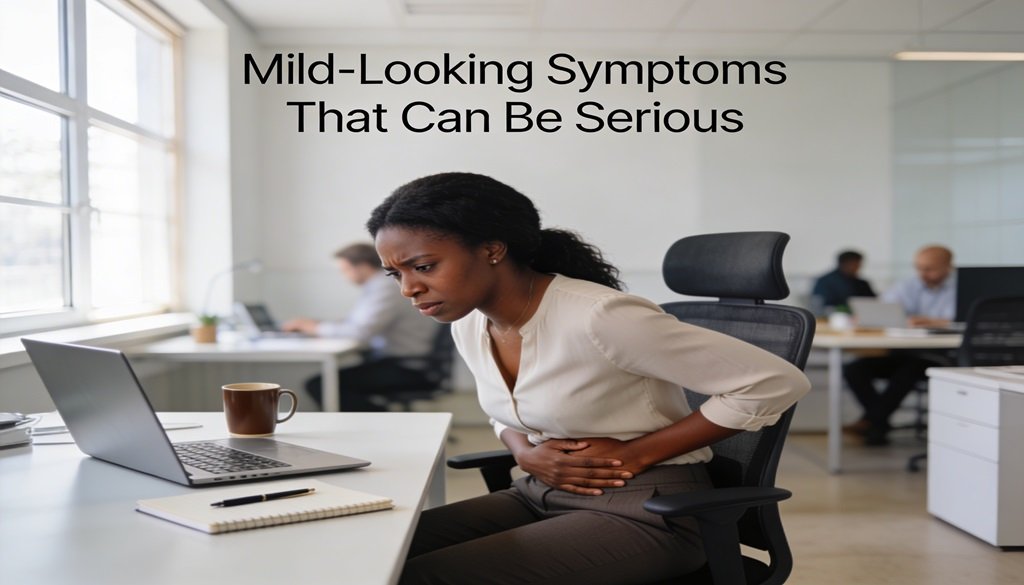
Abdominal pain is frequently managed with painkillers or herbal mixtures. When pain keeps returning, shifts location, or worsens, doctors worry about symptoms that can be serious such as ulcers, gallbladder disease, appendicitis, or intestinal problems.
6. Dizziness or Lightheadedness, Especially During Fasting
Skipping meals, long work hours, or religious fasting can cause dizziness. However, frequent or severe dizziness may be symptoms that can be serious, related to low blood sugar, dehydration, anemia, or blood pressure issues.
7. Swelling of Legs, Ankles, or Feet
Many people attribute leg swelling to long hours of standing, age, or weight. Persistent swelling, especially if it worsens by evening or affects both legs, can be symptoms that can be serious involving the heart, kidneys, or liver.
8. Unexplained Weight Loss
Weight loss is sometimes celebrated or ignored. Doctors become concerned when weight drops without effort, appetite changes, or illness. This can be one of the symptoms that can be serious, pointing to infections, metabolic disorders, or chronic disease.
9. Frequent Urination, Especially at Night
Frequent urination is often blamed on drinking water or cold weather. When it becomes persistent or disrupts sleep, doctors consider symptoms that can be serious, such as diabetes, prostate problems, or urinary tract issues.
10. Tingling, Numbness, or “Pins and Needles”
Drivers, tailors, and office workers often experience numbness and ignore it. Persistent or spreading tingling can be symptoms that can be serious, related to nerve damage, diabetes, or vitamin deficiencies.
11. Mild Fever That Keeps Returning

Repeated episodes of fever are often treated as malaria without testing. Doctors worry when fever persists or recurs because it may be among symptoms that can be serious, including infections beyond malaria or inflammatory conditions.
12. Persistent Cough Without Chest Pain
A cough lasting weeks is common in dusty environments. However, a cough that does not improve may be symptoms that can be serious, linked to asthma, chronic lung disease, or infections like tuberculosis.
13. Changes in Vision or Blurred Sight
Vision changes are often blamed on age, phones, or poor lighting. Doctors see these as symptoms that can be serious, particularly in people with diabetes or high blood pressure, where early eye changes may be silent.
14. Palpitations or Awareness of Heartbeat
Feeling your heart race or skip beats is often linked to stress or anxiety. Persistent palpitations may be symptoms that can be serious, involving heart rhythm problems or hormonal issues.
15. Poor or Slow Wound Healing
Cuts and sores that take weeks to heal are often ignored. Doctors recognize this as one of the early symptoms that can be serious, commonly associated with diabetes or circulation problems.
16. Persistent Back Pain Not Linked to Injury
Back pain is common and often blamed on posture or work. When pain is persistent, worsens at night, or comes with other symptoms, it may be among symptoms that can be serious, including kidney disease or infections.
17. Sudden Confusion or Memory Changes in Older Adults
Families may assume confusion is part of aging. Doctors treat sudden confusion as symptoms that can be serious, possibly due to infections, stroke, or metabolic problems, especially in elderly patients.
18. Recurrent Vomiting or Persistent Nausea
Occasional vomiting can happen after bad food. Persistent nausea or vomiting raises concern for symptoms that can be serious involving digestion, pregnancy-related issues, or metabolic imbalance.
19. Loss of Appetite That Persists for Weeks
Stress or emotional strain is often blamed. Doctors become concerned when appetite loss persists, as it can be symptoms that can be serious related to infections, chronic illness, or mental health conditions.
20. Menstrual Changes or Abnormal Bleeding
Many women normalize irregular cycles or heavy bleeding. Doctors recognize these as symptoms that can be serious, potentially linked to hormonal imbalance, fibroids, or other gynecological conditions.
Putting It All Together
The key message is not fear, but awareness. Symptoms that can be serious often start mild, overlap with everyday experiences, and feel easy to dismiss. What makes the difference is persistence, change, combination with other symptoms, and impact on daily life. Paying attention early allows calmer decisions, lower costs, and better outcomes—before mild symptoms become serious problems. HarvardEdu
Symptoms That Can Be Serious: Red Flags Doctors Don’t Ignore
Doctors pay close attention to sudden onset, progressive worsening, associated weakness or confusion, and symptoms that interfere with daily life. When mild complaints meet these criteria, they become symptoms that can be serious.
Nigerian Realities: Practical, Safer First Steps

You can act calmly by monitoring symptoms daily, avoiding repeated self-medication, and writing down changes. Navigating care despite barriers may involve starting with primary care clinics, teaching hospitals, or reputable community health centers. Early attention reduces the burden of symptoms that can be serious. MayoClinic. CDC
Why Tracking Symptoms That Can Be Serious Makes a Difference
Doctors rely on data. Blood pressure logs, blood sugar records, and symptom trackers help identify symptoms that can be serious early, before complications develop. Small data brings big clarity by reducing guesswork, improving early detection, and supporting calmer decision-making. Luth. Uch
Download Free HealthsClinic Tools to Stay Ahead
To help you manage symptoms that can be serious, HealthsClinic provides practical, doctor-designed resources such as blood pressure trackers, blood sugar logs, and symptom monitoring checklists. These tools support prevention, clarity, and early action before mild symptoms become serious problems.
Frequently Asked Questions About Symptoms That Can Be Serious
What are symptoms that can be serious but often ignored? They are mild-looking signs like fatigue, headaches, or chest discomfort that may indicate deeper health issues.
When should mild symptoms worry me? When they persist, worsen, or affect daily life, they may be symptoms that can be serious.
Can symptoms that can be serious go away on their own? Some do, but others require evaluation. Monitoring helps guide decisions.
How long should I wait before seeing a doctor? If symptoms last beyond a few days or change, seek medical care.
Are symptoms that can be serious always emergencies? No. Many are manageable when identified early.
Final Thoughts: Calm Awareness Saves Lives
Most mild symptoms are not emergencies. But understanding symptoms that can be serious gives you control, not fear. Awareness allows early action, lower costs, and better outcomes. Health is not about panic; it is about paying attention. HealthsClinic exists to help you stay informed, calm, and proactive, one clear step at a time.
Medical Disclaimer
This content is for educational purposes only and does not replace professional medical advice, diagnosis, or treatment. Always consult a qualified healthcare professional for personal medical concerns.
Related Reading
- How a Cholesterol Tracker Boosts Heart Health
- Setting SMART Health Goals Improves Well-being
- What Your Lab Numbers Really Mean in Nigeria