
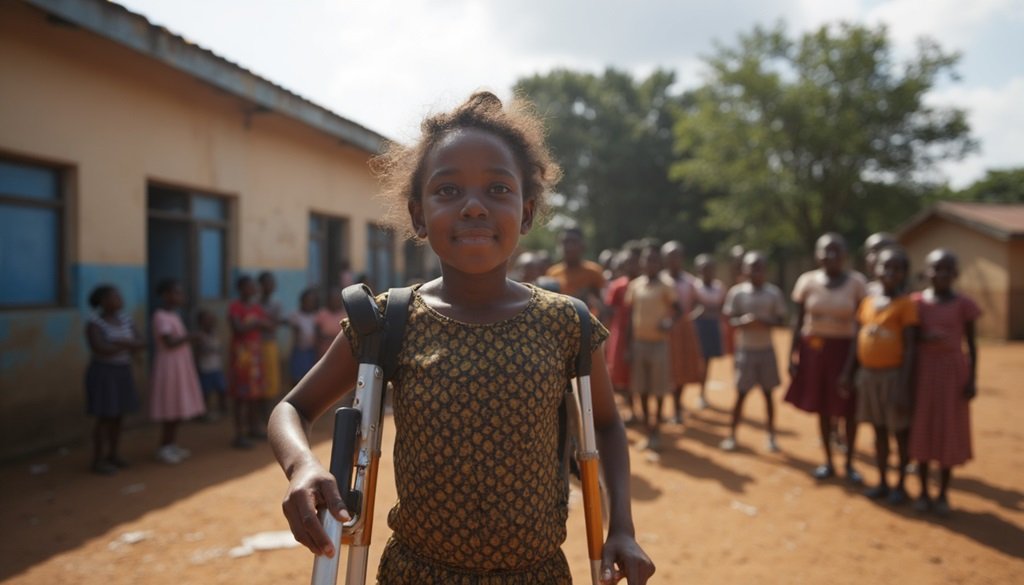
For many Nigerians, polio now feels like a disease of the past. Fewer children are seen with paralysis, and vaccination campaigns are familiar sights in communities. Yet beneath this progress lies a quiet reality: the fight is not completely over, and the final steps are often the hardest.
Ending polio in Nigeria is no longer a distant goal—it is a critical, time-bound effort to close remaining gaps, reach missed children, and prevent setbacks. While major gains have been made, risks still exist in areas affected by insecurity, poor access to health services, misinformation, and fatigue from repeated campaigns. Even a small lapse can allow the virus to resurface.
From public-health experience, polio eradication succeeds not only through vaccines, but through trust, strong surveillance, community engagement, and sustained political commitment. The decisions made in homes, clinics, and government offices today matter deeply.
This guide examines the remaining challenges, the real risks, and the reasons for hope in ending polio in Nigeria—and how collective action can secure a polio-free future for every Nigerian child.
Ending Polio in Nigeria: Our Reality
Ending polio in Nigeria is about more than just numbers; it is about protecting children from a preventable cause of lifelong paralysis and safeguarding progress across Africa and beyond. When people talk about ending polio in Nigeria, they mean interrupting every last strain of poliovirus, including circulating vaccine‑derived poliovirus type 2 (cVDPV2), and keeping the country polio‑free for good.polioeradication+3
Nigeria has already stopped wild poliovirus, but recurrent outbreaks of vaccine‑derived polio show that immunity gaps, operational challenges, and community mistrust still leave children at risk. With WHO and the Global Polio Eradication Initiative (GPEI) backing a refined national strategy, the next few years are critical for Nigerians, fellow Africans, and the global community committed to a polio‑free world.polioeradication+3
Understanding Polio and Nigeria’s Journey
What Is Polio and Why Does It Matter?
- Poliomyelitis (polio) is a highly infectious viral disease that mainly affects children under 5, attacking the nervous system and sometimes causing irreversible paralysis within hours.pmc.ncbi.nlm.nih
- The virus spreads through the faecal‑oral route, often in settings with poor sanitation and crowded living conditions, which are common in many low‑resource communities.polioeradication+1
- Polio is vaccine‑preventable, and successful eradication in Nigeria would protect millions of children and strengthen confidence in routine immunisation across Africa.polioeradication+1
From Wild Poliovirus Hotspot to Major Success Story
- For years, Nigeria was one of the last strongholds of wild poliovirus, with outbreaks that spread to over 20 previously polio‑free countries in Africa and beyond in the early 2000s.pmc.ncbi.nlm.nih+1
- Through intense vaccination campaigns, community engagement, and surveillance, the last case of wild poliovirus in Nigeria was reported in 2016, contributing to the African Region’s certification as wild polio‑free in 2020.afro.who+1
- This success shows that sustained political will, community mobilisation, and strong partnerships can overcome huge barriers—but it also underlines why backsliding now would be so costly.pmc.ncbi.nlm.nih+1
Where Nigeria Stands Today – cVDPV2 Outbreaks
- Even though wild polio is gone, Nigeria continues to face outbreaks of circulating vaccine‑derived poliovirus type 2 (cVDPV2), which arises when the weakened virus in oral polio vaccine mutates and spreads in areas with low vaccination coverage.who+1
- Recent reports point to ongoing cVDPV2 detections and new cases, particularly in areas with insecurity or poor access, showing that eradication is not yet complete.vax-before-travel+1
- This “last mile” of eradication requires closing immunity gaps and ensuring that every child receives enough doses of polio vaccine to stop the virus from finding new hosts.polioeradication+1
Key Gaps Holding Back Polio Eradication
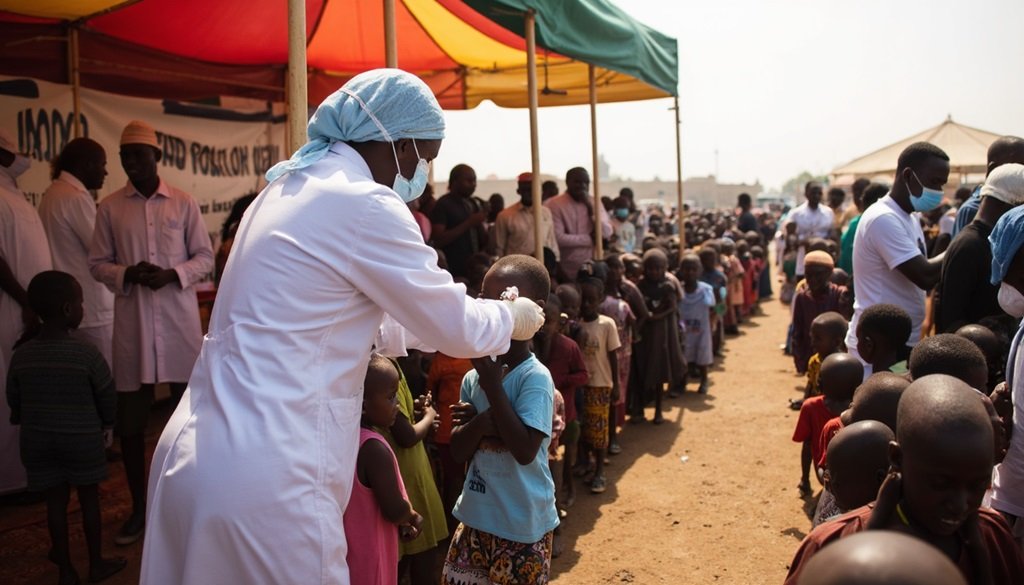
Immunisation Coverage Gaps and Missed Children
- Despite progress, there are still pockets of low routine immunisation coverage in parts of northern Nigeria, informal settlements, nomadic populations, and hard‑to‑reach rural communities.afro.who+1
- Many children remain “zero‑dose”—they have never received any vaccine—including polio, leaving them highly vulnerable and acting as a reservoir for virus transmission.polioeradication+1
- Campaigns sometimes miss children due to poor micro‑planning, inaccurate population estimates, or families being away from home during vaccination days.docslib+1
Insecurity, Hard‑to‑Reach Areas and Operational Challenges
- Ongoing insecurity, banditry, and conflict in some regions make it dangerous or impossible for vaccinators to access communities regularly.afro.who+1
- Difficult terrain, flooding, and limited transportation infrastructure further complicate efforts, especially in riverine and remote settlements.polioeradication
- Operational issues—like insufficient training, weak supervision, and logistic delays—can reduce the quality of campaigns and create pockets of low coverage even in otherwise reachable areas.docslib+1
Misinformation, Vaccine Hesitancy and Community Trust
- Historical rumours about polio vaccines, fears about side‑effects, and distrust of government or external agencies still influence some families’ decisions.docslib+1
- Social media and word‑of‑mouth can spread misinformation quickly, making it essential for trusted community and religious leaders to share accurate, culturally relevant messages about vaccination.afro.who+1
- Where communities see health workers as outsiders, engagement must shift from “top‑down campaigns” to genuine partnership and dialogue.polioeradication+1
Surveillance and Data Quality Gaps
- Polio programs rely on acute flaccid paralysis (AFP) surveillance—looking for children with sudden weakness or paralysis—and environmental surveillance (testing sewage) to detect poliovirus circulation.polioeradication+1
- Weaknesses in case detection, delayed reporting, incomplete investigations, or lab bottlenecks can allow poliovirus to circulate undetected for weeks or months.docslib+1
- High‑quality data, including accurate maps of settlements and vaccination coverage, is crucial for targeting interventions and proving that transmission has truly stopped.docslib+1
Risks if Nigeria Fails to Fully End Polio
Risks for Nigerian Children and Families
- Every new polio case represents a child who may face lifelong disability, requiring assistive devices, rehabilitation, and ongoing care in a system that already struggles to support people with disabilities.pmc.ncbi.nlm.nih
- Families often bear the emotional and financial burden, including lost income if caregivers must stay home and costs of transport and medical follow‑up.pmc.ncbi.nlm.nih+1
- Allowing polio to persist in 2026 and beyond would mean children are still being paralysed by a disease the world has the tools to prevent, raising deep ethical questions.polioeradication+1
Risks for the African Region and Global Health
- Nigeria’s size and regional connectivity mean that poliovirus can cross borders through trade, migration, and travel, threatening neighbouring countries and undermining Africa’s wild polio‑free status.afro.who+1
- Ongoing cVDPV2 transmission keeps the entire African Region at risk, forcing countries to conduct repeated emergency campaigns and divert resources from other health priorities.polioeradication+1
- Globally, failure to end polio in high‑risk countries raises the risk of international spread and increases the resources needed for outbreak responses, surveillance, and vaccine stockpiles.news.un+1
Reputational and Financial Risks
- Delayed eradication increases the total cost of the polio program worldwide and can lead to donor fatigue, where funders question continued investment in a goal that appears always just out of reach.polioeradication+1
- If Nigeria and other high‑risk countries do not meet agreed targets, confidence in global health commitments and international solidarity may weaken, making future initiatives harder to fund.pmc.ncbi.nlm.nih+1
Where the Hope Lies – Strategies to End Polio in Nigeria
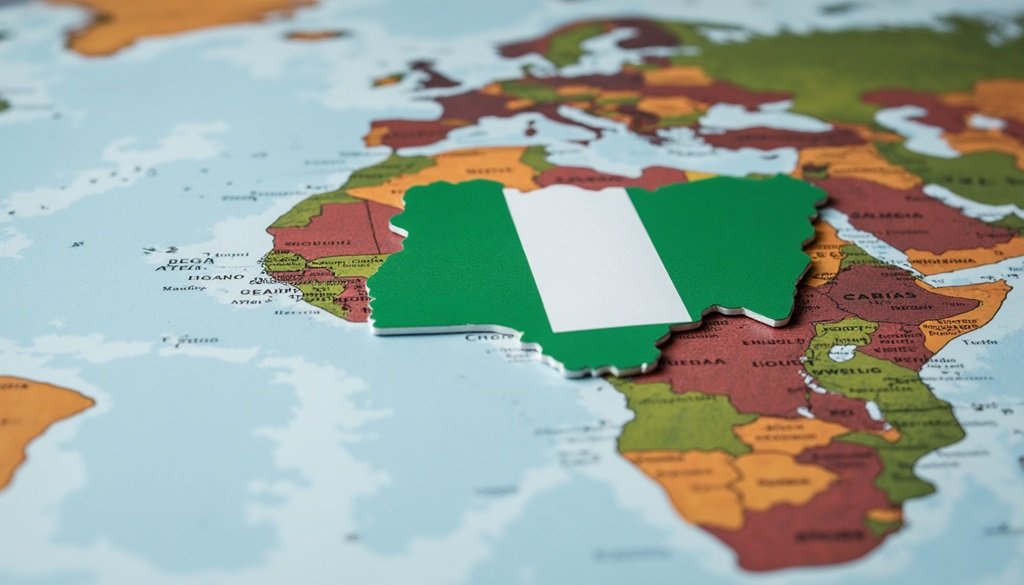
Nigeria’s Refined Polio Eradication Strategy
- In 2025, Nigeria and WHO held a strategic retreat in Abuja to refine the polio eradication strategy and support the goal of interrupting cVDPV2 transmission by 2026.news.fundsforngos+1
- The retreat emphasised aligning WHO technical support with the National Polio Emergency Action Plan (NPEAP) and the priorities of the National Primary Health Care Development Agency (NPHCDA).zawya+1
- Key pillars include government ownership, operational precision, accountability, resource optimisation, and localised actions tailored to the realities of each state and local government area.linkedin+1
Global Polio Eradication Strategy 2022–2026
- The Polio Eradication Strategy 2022–2026, subtitled “Delivering on a Promise”, sets out a global roadmap to permanently interrupt all poliovirus transmission and secure a polio‑free world.campaigneffectiveness+1
- Its objectives include creating urgency and accountability, strengthening community engagement to build vaccine acceptance, empowering the frontline workforce, integrating polio efforts with broader health services, and enhancing detection and response through more sensitive surveillance.docslib+1
- The full strategy can be accessed via GPEI
Africa’s “Road to Zero Polio” Plan
- The WHO African Region’s “Road to zero polio in Africa: polio eradication action plan 2024–2025” calls for ending all ongoing poliovirus transmission in the region by December 2025 and preventing further spread by 2026.afro.who
- The plan promotes more aggressive outbreak responses—three to five vaccination rounds instead of two—faster detection, stronger cross‑border coordination, and better operational planning.afro.who+1
- This regional framework supports Nigeria and other countries to synchronise campaigns, share data, and coordinate strategies, recognising that viruses do not respect borders.polioeradication
Innovations and Community‑Driven Solutions
- Innovations such as precision mapping, geolocation tools, and digital dashboards help teams identify settlements that were missed in previous campaigns and track coverage in real time.linkedin+1
- Integrated campaigns that combine polio drops with other services—such as measles vaccines, vitamin A, deworming, or nutrition screening—make each contact more valuable and can increase acceptance.campaigneffectiveness+1
- Community‑driven initiatives, where local leaders, women’s groups, youth associations, and traditional rulers co‑design outreach strategies, have proved effective at overcoming hesitancy and reaching marginalised children.afro.who+1
Expert Opinions and Quotes
Nigerian and African Voices
- At the Abuja strategic retreat, WHO’s Deputy Representative emphasised that WHO’s technical support must “remain fully aligned with national frameworks,” reflecting a shift toward genuine country‑led ownership of polio eradication.zawya+1
- Nigerian officials and NPHCDA leadership have repeatedly stressed that interrupting cVDPV2 by 2026 is achievable if immunity gaps are closed and high‑quality campaigns reach every child, especially in high‑risk LGAs.news.fundsforngos+1
Global Leaders and GPEI Partners
- Global health leaders describe polio eradication as “delivering on a promise” made to children worldwide, urging countries to reinforce political commitment and protect frontline workers.campaigneffectiveness+1
- Analyses such as “Lessons from the Polio Endgame” highlight that finishing eradication requires safeguarding the workforce, integrating polio infrastructure into broader health systems, and sustaining community trust.pmc.ncbi.nlm.nih+1
- UN and WHO messages continue to call on the world to “finish the job” on polio, warning that backsliding now would jeopardise decades of progress and billions of dollars of prior investment.news.un+1
What Nigerians, Africans and Global Citizens Can Do
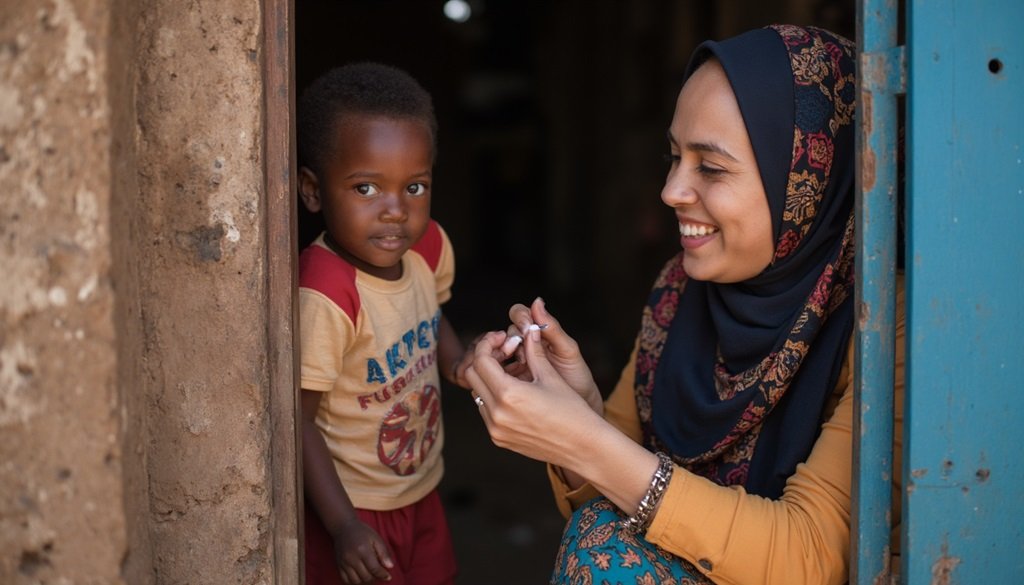
For Parents and Caregivers
- Ensure children receive all routine polio doses according to the national immunisation schedule and participate in supplementary polio campaigns, even if it feels repetitive—each dose strengthens protection.polioeradication+1
- Ask health workers to check immunisation cards, clarify any concerns about vaccine safety, and share correct information with neighbours, family, and community groups.pmc.ncbi.nlm.nih+1
For Health Workers, Community and Faith Leaders
- Health workers should actively track and follow up with missed children, report any suspected acute flaccid paralysis promptly, and use every patient interaction as an opportunity to talk about vaccination.afro.who+1
- Community and faith leaders—pastors, imams, traditional rulers, market leaders—can publicly endorse polio vaccines, host vaccination points in their premises, and address fears directly during sermons, meetings, and gatherings.afro.who+1
For Donors, Policymakers and the Diaspora
- Policymakers can help close funding gaps by increasing domestic financing for immunisation, integrating polio structures into primary healthcare, and regularly reviewing performance at national and sub‑national levels.polioeradication+1
- Donors and diaspora networks can support innovation, operational research, and advocacy, ensuring that polio eradication remains high on the health agenda and linked to broader efforts to strengthen health systems.campaigneffectiveness+1
FAQs on Ending Polio in Nigeria
1. Is polio still a problem in Nigeria after wild polio was stopped?
Yes. While wild poliovirus has been interrupted, Nigeria still experiences outbreaks of circulating vaccine‑derived poliovirus type 2, which can also cause paralysis in children.who+1
2. What is vaccine‑derived polio and should parents be worried?
Vaccine‑derived polio occurs when the weakened virus in oral polio vaccine circulates in under‑immunised communities, mutates, and starts behaving like wild virus, but the root problem is low coverage, not the vaccine itself. Ensuring that every child receives all recommended doses is the best way to prevent both wild and vaccine‑derived polio.who+2
3. Why do children receive so many polio drops during campaigns?
Multiple doses are needed to build strong immunity, especially in high‑risk settings where children may face repeated exposure and have underlying conditions like malnutrition or diarrhoea that can reduce vaccine effectiveness. Campaigns give additional doses to quickly raise population immunity and stop outbreaks.polioeradication+1
4. What is Nigeria’s target year for stopping poliovirus transmission?
Nigeria, working with WHO and GPEI, aims to interrupt circulating variant type 2 poliovirus by 2026, in line with regional and global strategies. The African regional plan also targets stopping all ongoing poliovirus transmission across the continent by the end of 2025 and preventing further spread by 2026.afro.who+2
5. How close is the world to global polio eradication?
Polio remains endemic in only a small number of countries, but outbreaks of vaccine‑derived virus continue to occur where immunity is low, making this the critical “last mile”. Success now depends on finishing eradication in high‑risk countries like Nigeria and sustaining high coverage everywhere.news.un+1
Final Thoughts
Ending polio in Nigeria is both a national responsibility and a global opportunity: if Nigeria succeeds, Africa and the world move significantly closer to a permanent victory over a crippling disease. The path forward is clear—close immunisation gaps, strengthen surveillance, protect health workers, and put communities at the centre of every decision.afro.who+3
For Nigerians, other Africans, and concerned people worldwide, this is the time to lean in, not step back; the final push to end polio can also leave behind stronger primary healthcare, better trust in vaccines, and a safer future for all children.campaigneffectiveness+1
- Download free polio awareness resources from our website, including:
- Easy‑to‑read factsheets and FAQs for parents and caregivers.
- Posters and social media graphics for churches, mosques, schools, and clinics.
- Simple checklists for health workers to track missed children and AFP cases.
- Share these materials widely in your community WhatsApp groups, social media channels, schools, and places of worship, especially ahead of vaccination campaigns.
- If you are a health worker, community leader, journalist, or part of the Nigerian or African diaspora, use your voice and platforms to champion polio vaccination and support local eradication efforts.
Medical Disclaimer
This article is for general information and health education only and does not provide professional medical advice, diagnosis, or treatment. Always consult a qualified doctor, nurse, or accredited immunisation provider if you have questions about vaccines, your child’s immunisation schedule, or concerns about possible polio or acute flaccid paralysis. For official guidance, follow recommendations from the Ministry of Health, the National Primary Health Care Development Agency and the World Health Organization.polioeradication+1
Related Reading
- Track Daily Water Intake for Optimal Health
- Track Your Blood Sugar Daily: Key Benefits & Tips
- Get Tested for STD—Top 10 Warning Signs to Know




Pingback: Vaccines in Nigeria: Protecting Our Children