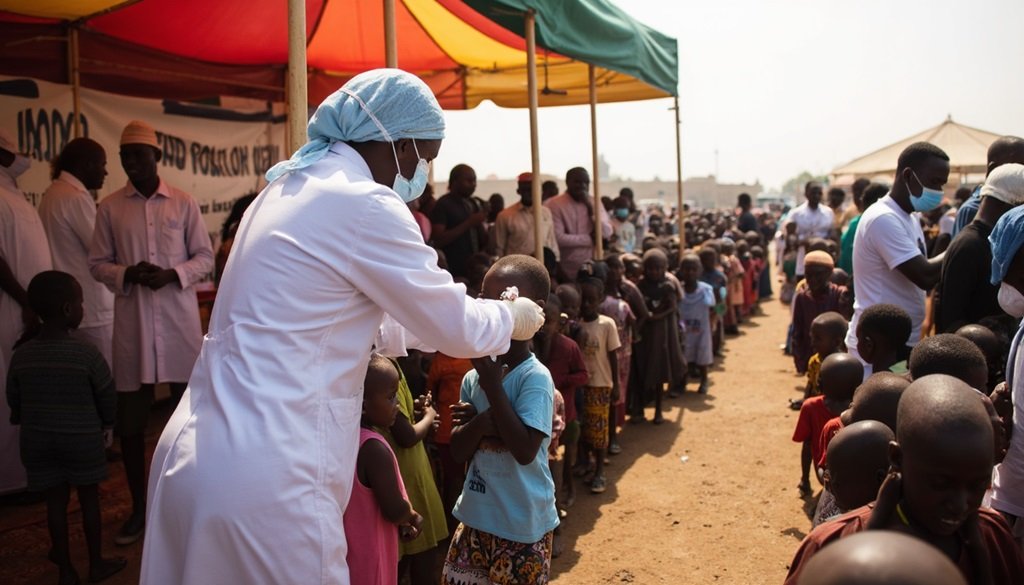
In many Nigerian homes, parents want the same thing: to see their children grow up healthy, strong, and able to reach their full potential. Yet questions and worries around vaccines still come up—missed clinic days, conflicting advice, fear of side effects, distance to health centres, or simply not having clear information at the right time.
Vaccines in Nigeria remain one of the most powerful tools we have to protect children from serious and sometimes deadly diseases. From measles and polio to diphtheria and hepatitis, vaccines have saved countless lives. Still, too many children are either partially immunized or not immunized at all, leaving them vulnerable to preventable illness.
As routine immunization services expand and large-scale vaccination campaigns continue across the country, this is a critical moment. Protecting children requires more than vaccines alone—it requires trust, awareness, community support, and consistent follow-up.
This guide explains the importance of vaccines in Nigeria, addresses common concerns parents face, and highlights how families, health workers, and communities can work together to ensure that every child is protected—no matter where they live.
Vaccines in Nigeria: Our Reality
Vaccines in Nigeria: Protecting Our Children is not just a slogan; it is a real-life mission that plays out every day in clinics, markets, schools, churches, mosques, and villages. Routine immunization is designed to shield children from life‑threatening infections like measles, polio, tuberculosis, whooping cough, diphtheria, tetanus, meningitis, pneumonia, and diarrhoea diseases.datelinehealthafrica+2
Despite free vaccines and years of effort, at least 64% of Nigerian children aged 12–23 months did not receive all recommended vaccines in the last five years, increasing the risk of outbreaks and avoidable child deaths. Nigeria also has one of the world’s largest numbers of “zero‑dose” children—those who have never received a single vaccine—making this a national, African, and global concern.zdlh.gavi+2
Understanding Routine Immunization in Nigeria
What Are Routine Childhood Vaccines?
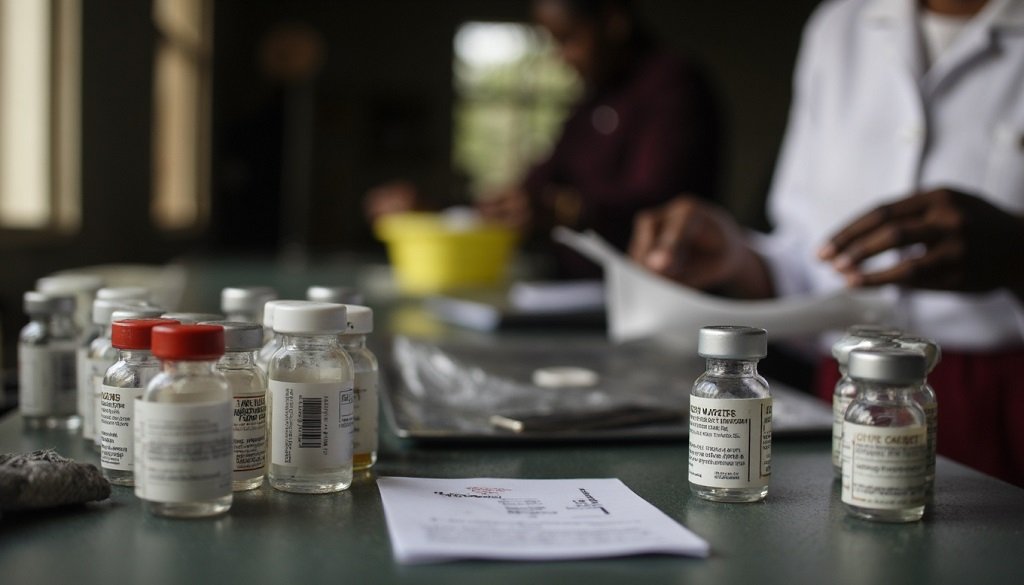
- Routine immunization is the regular, scheduled vaccination of children to prevent common vaccine‑preventable diseases that cause disability and death.pmc.ncbi.nlm.nih+1
- In Nigeria, current routine childhood vaccines protect against tuberculosis (BCG), hepatitis B, polio, diphtheria, pertussis (whooping cough), tetanus, Haemophilus influenzae type b, pneumococcal disease, rotavirus diarrhoea, measles, yellow fever and meningitis.sciencedirect+1
- These vaccines are given free of charge in public health facilities and during outreach and campaign activities supported by government and partners.tjmdp+1
The National Immunization Program – Who Runs It?
- The Federal Ministry of Health and the National Primary Health Care Development Agency (NPHCDA) oversee the National Programme on Immunization, which follows WHO’s Expanded Programme on Immunization (EPI) guidance.datelinehealthafrica+1
- International partners such as WHO, UNICEF, Gavi, the Bill & Melinda Gates Foundation and others support Nigeria with vaccines, funding, logistics, cold‑chain equipment, and technical assistance.zdlh.gavi+1
- Together, these partners aim to ensure that every child can access life‑saving vaccines from birth through early childhood, regardless of where they are born.afro.who+1
Why Vaccines Matter – Local and Global Impact
- Immunization is one of the most cost‑effective public health interventions, averting an estimated three million deaths globally every year from diseases such as measles, diarrhoea, pneumonia and meningitis.pmc.ncbi.nlm.nih+1
- For Nigeria, higher vaccination coverage means fewer outbreaks, fewer emergency campaigns, lower under‑five mortality, and healthier communities that can focus on education, work, and development.afro.who+1
- Globally, reducing the number of unvaccinated children in Nigeria contributes to international goals for ending vaccine‑preventable deaths and achieving universal health coverage.zdlh.gavi+1
Which Diseases Do Vaccines in Nigeria Protect Against?
The Classic Childhood Killer Diseases
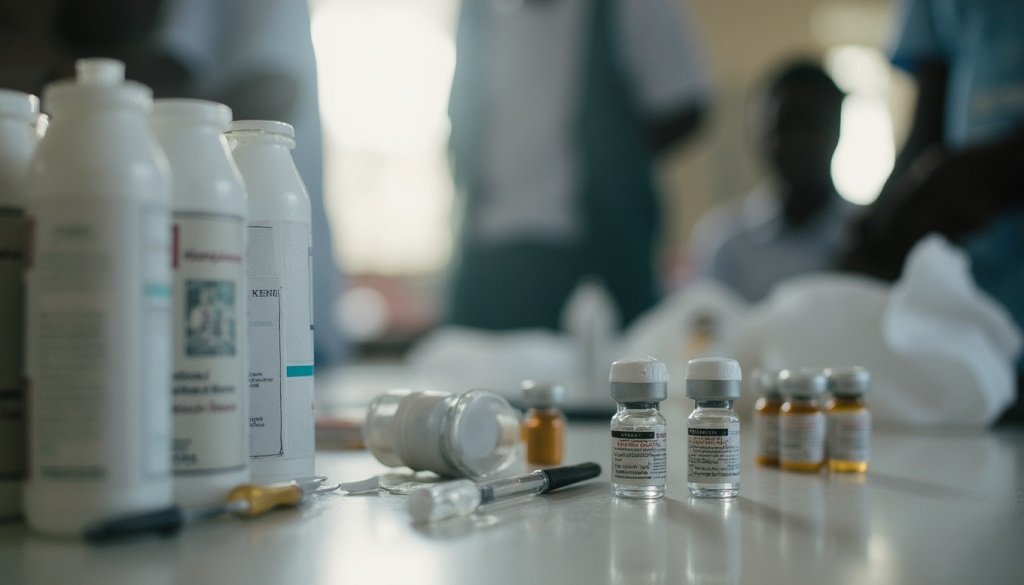
- Nigeria’s immunization programme originally focused on six “childhood killer diseases”: tuberculosis, poliomyelitis, diphtheria, pertussis, tetanus and measles.pmc.ncbi.nlm.nih+1
- Before widespread vaccination, these infections caused severe pneumonia, brain damage, paralysis, and high child death rates; immunization has dramatically reduced these outcomes where coverage is high.drasatrust+1
- Whenever coverage drops, outbreaks quickly remind communities how dangerous these diseases can be—measles outbreaks and resurgent polio cases are recent examples.afro.who+1
Newer Vaccines – Pneumonia, Diarrhoea, Meningitis and HPV
- Nigeria has added vaccines like pneumococcal conjugate vaccine (PCV), rotavirus vaccine, and meningitis A vaccines that prevent severe pneumonia, deadly diarrhoea and meningitis epidemics in the “meningitis belt”.sciencedirect+1
- HPV vaccines for adolescent girls help prevent future cervical cancer, which is a leading cause of cancer deaths among women in many African countries.health
- Integrated health campaigns now often combine measles‑rubella, polio, HPV and other services to reach millions of children and adolescents in a single drive.afro.who+1
How the Nigerian Immunization Schedule Works
- The schedule starts at birth (BCG, OPV, hepatitis B) and continues at 6, 10, and 14 weeks, 6 months, 9 months, and into the second year of life, with booster doses and additional vaccines at specified ages.datelinehealthafrica+1
- Parents receive an immunization or child health card that records each vaccine and appointment; keeping this card safe and bringing it to every clinic visit is essential.jobzilla+1
- Most vaccines are given in primary health centres, but outreach and campaign days bring services closer to communities that live far from a facility.tjmdp+1
The State of Vaccination Coverage – Progress and Gaps
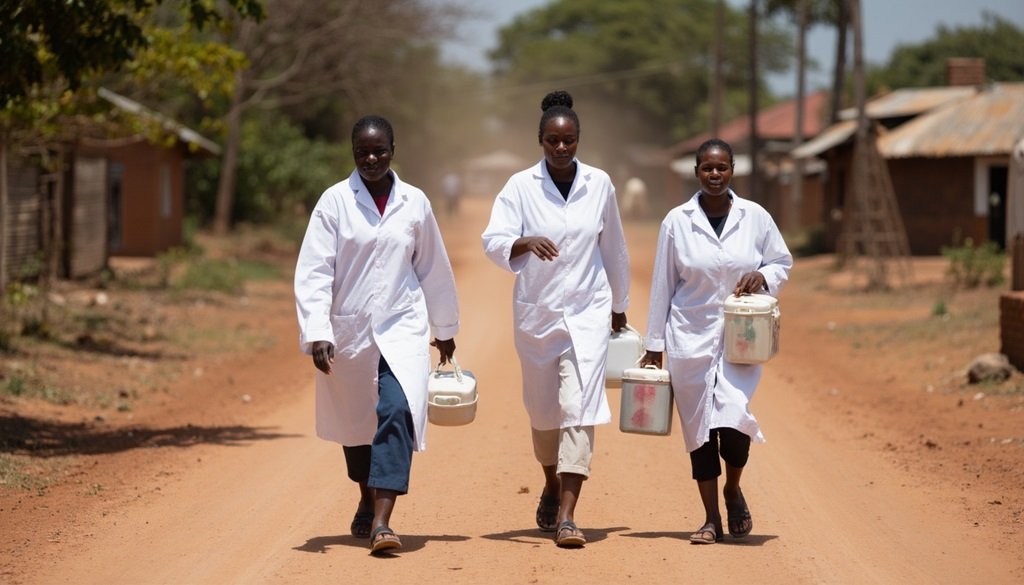
Coverage Trends – Where Nigeria Is Making Progress
- Studies show that coverage for some vaccines has improved over time, and that cold‑chain infrastructure and vaccine availability have expanded, especially in urban and semi‑urban areas.sciencedirect+1
- In 2025 the Federal Government launched Africa’s largest integrated health campaign, targeting over 100 million Nigerian children with measles‑rubella, polio vaccines and other life‑saving interventions.health+1
- These campaigns are designed to catch up missed children, reduce zero‑dose numbers, and protect entire communities against outbreaks.afro.who+1
Zero‑Dose and Under‑Immunised Children
- Despite these efforts, Nigeria still has more than two million zero‑dose children—those who have never received any routine vaccine—one of the highest numbers in the world.zdlh.gavi+1
- Many zero‑dose and under‑immunised children live in remote rural areas, urban slums, nomadic populations, and conflict‑affected regions where health services are limited or difficult to access.zdlh.gavi+1
- These pockets of under‑immunisation create fertile ground for outbreaks of measles, polio, diphtheria, and other vaccine‑preventable diseases, putting entire communities at risk.zdlh.gavi+1
Barriers to Vaccination – What Parents and Experts See
- Research highlights barriers such as distance to health facilities, transport costs, long waiting times, stock‑outs, and occasional poor staff attitude, which discourage families from returning.urfjournals+1
- Low awareness of vaccine benefits, myths about safety, gender norms that limit women’s movement, and mistrust of government or health programmes also reduce uptake.datelinehealthafrica+1
- Health system issues—including insufficient funding, staffing, and data quality—further complicate routine immunization delivery across all 36 states and the FCT.pmc.ncbi.nlm.nih+1
Why Some Parents Hesitate – Myths, Fears and Misinformation
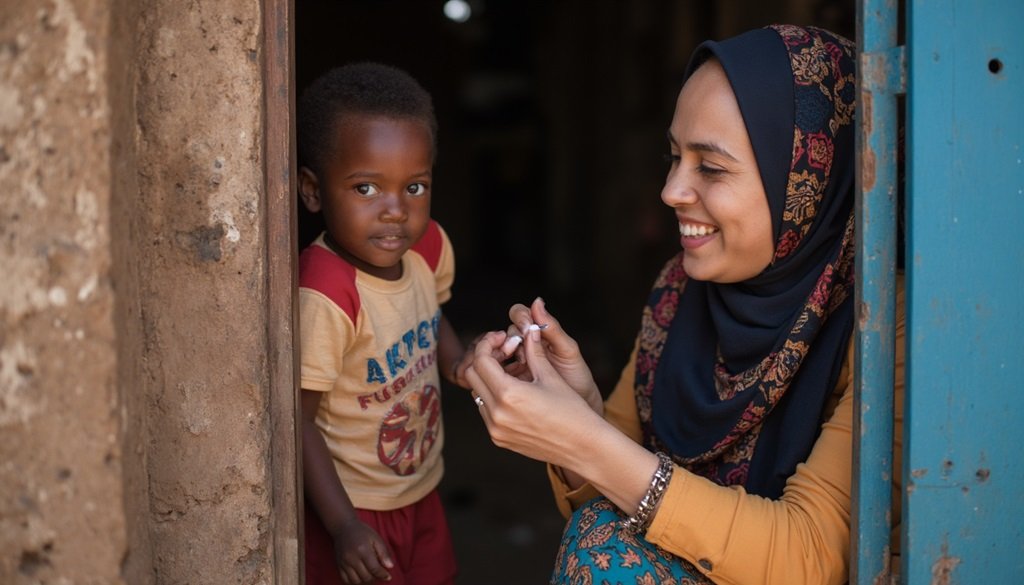
Common Myths About Vaccines in Nigeria
- Some parents worry that “too many injections” will overload a child’s body or believe misinformation that vaccines cause infertility or long‑term sickness.sciencedirect+1
- Others think that once a child is “strong” or receives traditional remedies, vaccination is no longer necessary, or that diseases like polio and measles are “no longer around”.afro.who+1
- Health authorities stress that vaccines go through rigorous testing, continuous safety monitoring, and are far safer than the diseases they prevent.pmc.ncbi.nlm.nih+1
Building Trust Through Community Engagement
- Successful programmes in Nigeria use trusted voices—religious leaders, traditional rulers, women’s groups, youth influencers, and community pharmacists—to share accurate vaccine information.acpnrivers+1
- Communication networks that combine house‑to‑house visits, community dialogues, local radio, social media, and school‑based activities have improved acceptance in several states.pmc.ncbi.nlm.nih+1
- These community‑driven approaches show that listening to concerns, answering questions respectfully, and involving local leaders can transform vaccine hesitancy into confidence.pmc.ncbi.nlm.nih+1
Expert Opinions – Nigerian and Global Voices
Nigerian Paediatricians and Public Health Experts
- Nigerian paediatricians emphasise that immunization is every child’s right and one of the most effective ways to prevent death and disability from common infections.pan-ng+1
- Public health experts call routine immunization a “call to action” for pharmacists, nurses, and other frontline professionals, urging them to proactively educate parents and track missed children.acpnrivers+1
- The Paediatric Association of Nigeria and allied groups provide guidance and tools for health workers and parents.
WHO, UNICEF and Gavi Statements
- WHO reports that at least 64% of children aged 12–23 months in Nigeria have not received all recommended vaccines, warning that this drives outbreaks and higher child mortality.afro.who
- WHO’s Country Representative has stressed that vaccination must remain high on Nigeria’s national agenda and be part of broader primary healthcare revitalisation and universal health coverage efforts.guardian+1
- Gavi’s Zero‑Dose landscape and situation analysis documents outline a roadmap to reduce zero‑dose children in Nigeria by at least 750,000 by 2025 and by 50% by 2028, contributing significantly to global progress.zdlh.gavi+1
What Parents, Communities and Leaders Can Do
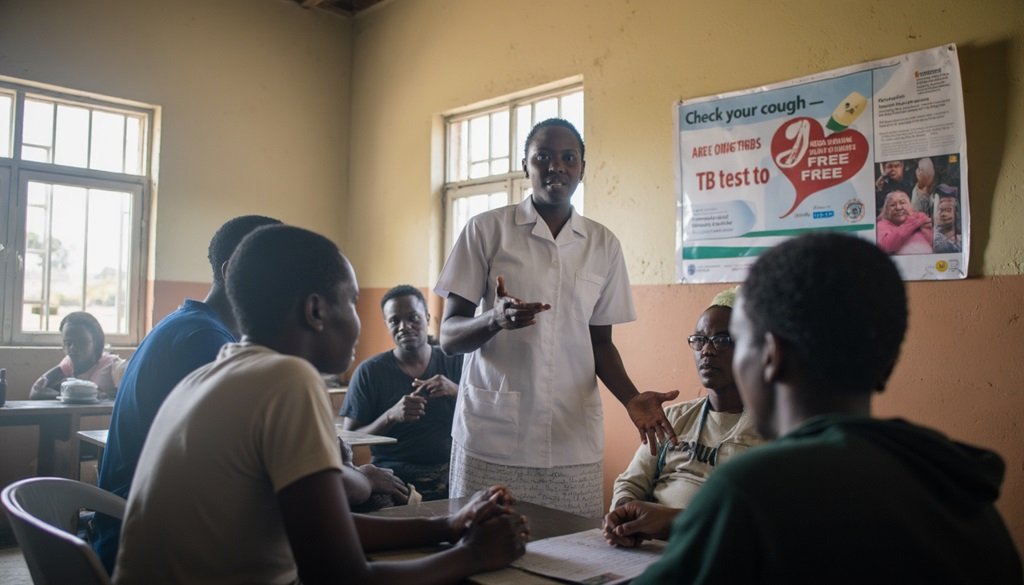
Practical Steps for Parents and Caregivers
- Register your baby at a nearby health facility early, start vaccines at birth, and follow the immunization schedule—even if the child looks healthy and strong.pmc.ncbi.nlm.nih+1
- Keep your child’s immunization card safe, bring it to every clinic or hospital visit, and ask health workers to explain which vaccines were given and when the next dose is due.jobzilla+1
- If a dose is missed, visit the nearest facility for catch‑up—most children can still be protected, even if they are older than the original recommended age.acpnrivers+1
Role of Health Workers, Schools and Faith Centres
- Health workers can build trust by communicating clearly, being respectful, checking immunization status at every contact, and organising outreach to communities far from clinics.sciencedirect+1
- Schools, churches, mosques, and community centres can host immunization days, display posters, include vaccine messages in sermons or assemblies, and support social mobilisation.afro.who+1
- Community pharmacists and patent medicine vendors, who are often the first point of contact, can counsel parents and direct them to appropriate vaccination services.acpnrivers+1
Responsibilities of Government and Global Partners
- Government agencies and partners must ensure consistent vaccine supply, functional cold‑chain equipment, adequate staffing, and financing for outreach to zero‑dose and under‑served communities.zdlh.gavi+1
- Integrated campaigns—combining vaccines with malaria prevention, nutrition screening, deworming, and other child health services—can reach more children in one visit and make programmes more efficient.health+1
- National and global leaders must sustain political commitment and funding so immunization gains are not reversed by conflict, economic pressures, or new health emergencies.zdlh.gavi+1
FAQs on Vaccines in Nigeria
1. Are childhood vaccines free in Nigeria?
Yes. All vaccines listed in the national immunization schedule are provided free of charge at public health facilities and during government‑led campaigns, although families may still pay for transport or time away from work.tjmdp+1
2. What if my child has missed some vaccines?
In most cases it is not too late; health workers can use the child’s age and card to design a catch‑up plan so they receive missed doses and are fully protected.datelinehealthafrica+1
3. Can vaccines overload my child’s immune system?
No. Children’s immune systems handle thousands of germs daily; the small number of antigens in vaccines is carefully tested and does not “overload” healthy immune systems.pmc.ncbi.nlm.nih+1
4. Are vaccines safe for children with mild illness or low weight?
Mild illnesses like a simple cough or low‑grade fever are usually not a reason to delay vaccination, but decisions should always be made in consultation with a qualified health worker.askthepaediatricians+1
5. How do I know which vaccines my child has received?
Your child’s immunization card lists each vaccine name, date, and the next appointment; if the card is lost, visit the facility where vaccines were given to reconstruct the record as much as possible.jobzilla+1
Final Thoughts
Vaccines in Nigeria truly are life‑saving tools, but they only protect our children when every dose moves from cold‑room to clinic to a child’s arm or mouth at the right time. Closing the gaps—whether they are about distance, misinformation, or health system weaknesses—will save lives today and build stronger, more resilient communities for tomorrow.health+3
For Nigerians, other Africans, and global readers, choosing to vaccinate is both a personal act of love for children and a contribution to a safer world where vaccine‑preventable deaths become history.afro.who+1
- Download our free vaccination resources, including:
- A printable Nigerian immunization schedule for parents.
- Easy myth‑versus‑fact sheets on childhood vaccines for churches, mosques, schools, and community groups.
- Simple checklists for clinics and health workers to track missed children and plan outreach.
- Share these materials in your WhatsApp groups, parent‑teacher meetings, women’s fellowships, youth gatherings, and professional networks to help more families understand and complete their children’s vaccines.
Medical Disclaimer
This article is for general information and health education only and is not a substitute for professional medical advice, diagnosis, or treatment. Always consult a qualified doctor, nurse, community health worker, or accredited immunization provider for questions about your child’s vaccines, schedule, or any side‑effects. For official guidance, follow recommendations from the Nigerian Ministry of Health, the National Primary Health Care Development Agency, and the World Health Organization.datelinehealthafrica+1
Related Reading
- Best Period and Ovulation Tracker App for Android
- Common Childhood Illnesses in Nigeria and How to Respond
- 20 Natural Ways to Sharpen Your Eyesight



Pingback: Top 20 ENT Disorders in Nigeria You Should Know