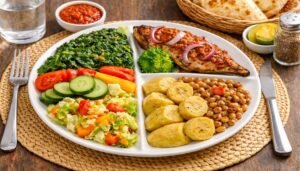

Many Nigerians try to eat well. You choose what looks “normal,” familiar, and affordable—bread for breakfast, a quick snack on the way out, a drink to stay alert during a long day. Sugar is usually associated with sweets and soft drinks, so if you are not taking those often, it feels like you are safe.
Yet hidden sugar in Nigerian foods is becoming a quiet but serious health concern. Increasingly, sugar is not coming from obvious desserts, but from everyday items people consider harmless or even healthy—packaged breads, flavored yogurts, breakfast cereals, drinks, and sauces. Because these sugars are not always easy to spot, many people consume far more than they realize.
From consistent dietary patterns and public-health observations, this silent excess contributes over time to weight gain, type 2 diabetes, high blood pressure, fatty liver disease, and heart problems. Most people only discover the link when a test result or diagnosis forces the conversation.
Understanding where hidden sugar in Nigerian foods is found, how it affects the body, and how to make better choices is an important step toward prevention and long-term well-being. This guide breaks it down clearly and practically, so you can protect your health without giving up the foods you enjoy.
Why Hidden Sugar in Nigerian Foods Matter
Hidden sugar refers to sugars added to foods during processing or cooking that are not immediately obvious to the consumer. These sugars may appear under different names on food labels or be incorporated into foods traditionally perceived as savory rather than sweet.
In Nigeria, dietary patterns are rapidly changing due to urbanization, increased consumption of processed foods, and Western-style diets. Traditional meals that were once low in added sugar are now often prepared with sugar, sweetened seasonings, or packaged ingredients that significantly raise sugar content.
Excess sugar intake contributes to insulin resistance, weight gain, dental problems, inflammation, and cardiovascular disease. The World Health Organization recommends that added sugars make up less than 10 percent of total daily energy intake, with further benefits seen when reduced below 5 percent. Many Nigerians unknowingly exceed this limit daily.
Common Examples of Hidden Sugar in Nigerian Foods
Packaged Bread and Baked Goods
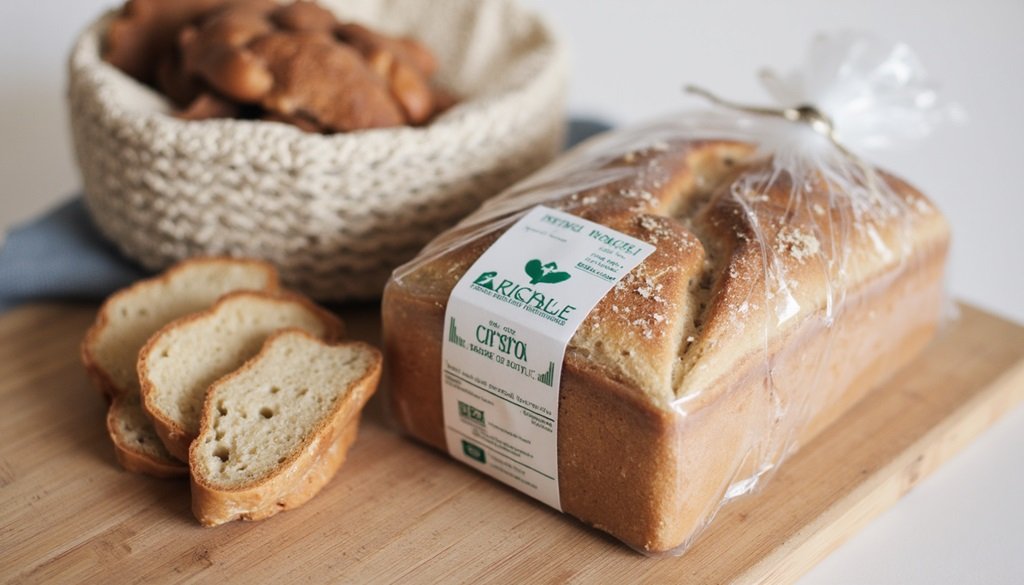
Bread is a staple food in many Nigerian households. However, most commercially produced bread contains added sugar to enhance taste, texture, and shelf life. Even so-called “brown bread” or “whole wheat bread” may contain high amounts of sugar.
Common examples include sliced white bread, agege bread, burger buns, and pastries such as meat pies and doughnuts. Sugar may appear on labels as sucrose, glucose syrup, maltose, or corn syrup.
Breakfast Cereals and Pap Additives
Many packaged breakfast cereals marketed to children and adults contain large amounts of added sugar. Chocolate-flavored cereals, cornflakes with honey, and sweetened granola are common examples.
Even traditional pap (ogi or akamu) can become a hidden sugar source when sweetened with sugar, honey, or flavored syrups, especially when consumed daily.
Soft Drinks, Malt Drinks, and Sweetened Beverages
Sugar-sweetened beverages are among the largest contributors to hidden sugar intake in Nigeria. These include carbonated soft drinks, malt drinks, fruit-flavored drinks, energy drinks, and sweetened bottled teas.
Malt drinks, often perceived as nourishing or healthy, can contain as much sugar as sodas. Packaged fruit juices labeled as “100 percent juice” may still be high in natural sugars and low in fiber compared to whole fruits.
Sauces, Seasonings, and Condiments
Many cooking sauces and condiments used in Nigerian kitchens contain hidden sugar. Examples include ketchup, barbecue sauce, salad dressings, mayonnaise, soy sauce, and seasoning cubes.
Tomato paste and canned tomato products may also contain added sugar to reduce acidity. Sugar improves flavor but increases total carbohydrate load, especially when used generously.
Hidden Sugar in Nigerian Foods: Yogurt and Dairy Products
Flavored yogurts, drinking yogurts, and dairy-based beverages often contain high amounts of added sugar. Fruit-flavored yogurts may contain more sugar than a similar amount of soft drink.
Sweetened condensed milk and evaporated milk used in tea and coffee also contribute significantly to sugar intake.
Snacks and Convenience Foods
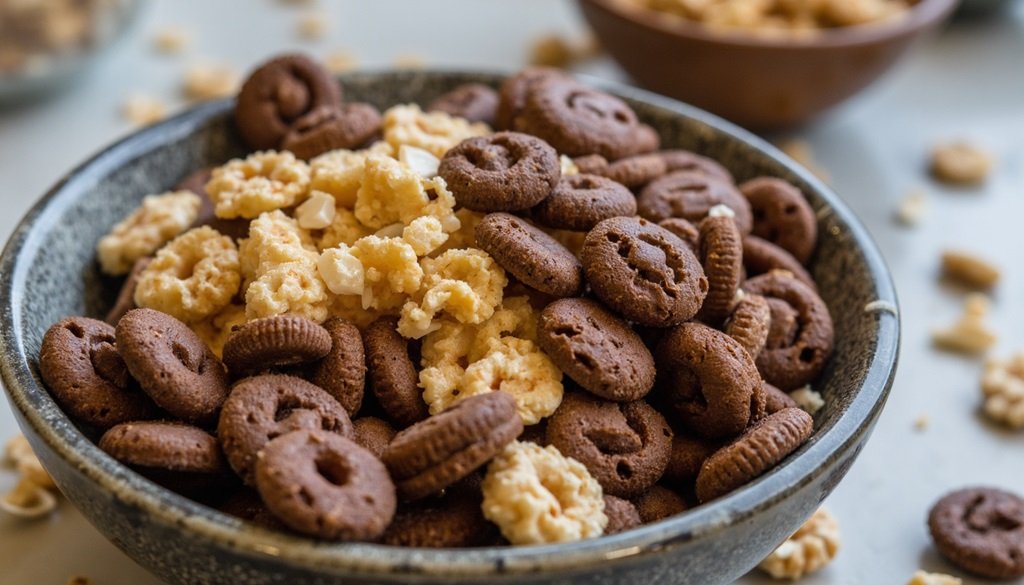
Biscuits, cookies, chin chin, plantain chips, puff-puff, and packaged snacks often contain added sugar, even when they taste only mildly sweet. Some savory snacks also include sugar to enhance flavor.
Instant noodles, although savory, may contain added sugar in the seasoning sachets.
Traditional Nigerian Foods with Added Sugar
While traditional Nigerian diets were historically low in refined sugar, modern cooking habits have introduced sugar into some traditional dishes. Examples include:
Stews and sauces sweetened to balance pepper or acidity
Beans porridge prepared with added sugar
Pap, custard, or cereal served with sugar and milk
Tea and coffee consumed multiple times daily with sugar
Why Hidden Sugar Is Harmful to Health
Increased Risk of Diabetes
Nigeria has one of the fastest-growing populations of people living with type 2 diabetes in Africa. Excess sugar intake leads to repeated spikes in blood glucose and insulin levels, increasing the risk of insulin resistance over time.
Weight Gain and Obesity
Sugar provides empty calories with little nutritional value. Foods high in hidden sugar are often energy-dense and low in fiber, leading to overeating and weight gain.
High Blood Pressure and Heart Disease
High sugar intake is linked to increased blood pressure, inflammation, and unhealthy lipid profiles. These factors significantly raise the risk of heart disease and stroke.
Dental Problems
Sugary foods and drinks promote tooth decay and gum disease, especially when consumed frequently throughout the day.
Fatty Liver Disease
Excess fructose, commonly found in added sugars, is metabolized in the liver and can contribute to non-alcoholic fatty liver disease.
Expert Opinions and Research Evidence
A report by the World Health Organization emphasizes that high intake of free sugars is associated with poor diet quality and increased risk of noncommunicable diseases.
The Nigerian Heart Foundation highlights excessive consumption of sugary drinks and processed foods as a major contributor to rising rates of hypertension and obesity in Nigeria.
According to a review published in The Lancet Diabetes and Endocrinology, reducing added sugar intake significantly lowers the risk of cardiometabolic diseases.
Professor Olatunbosun Ogun, a Nigerian endocrinologist, notes that “many patients are shocked to discover how much sugar they consume daily from foods they never considered sweet.”
How to Identify Hidden Sugar in Nigerian Foods
Reading Food Labels
Ingredients are listed in descending order by weight. If sugar or its alternatives appear among the first few ingredients, the product is likely high in sugar.
Common names for sugar include sucrose, glucose, fructose, maltose, corn syrup, high-fructose corn syrup, honey, molasses, and fruit juice concentrate.
Being Cautious with Marketing Claims
Labels such as “low fat,” “natural,” or “energy-boosting” do not mean sugar-free. Many low-fat products compensate with added sugar.
Reducing Hidden Sugar in Everyday Nigerian Diets

Choose Whole and Minimally Processed Foods
Base meals on whole grains, legumes, vegetables, fruits, nuts, seeds, fish, and lean meats. Traditional Nigerian foods prepared at home with minimal additives are generally healthier.
Limit Sugary Drinks
Replace soft drinks and malt drinks with water, unsweetened tea, zobo without added sugar, or infused water with fruits and herbs.
Modify Cooking Habits
Reduce or eliminate sugar added to stews, sauces, and beans. Use natural flavor enhancers such as onions, tomatoes, peppers, ginger, garlic, and spices.
Select Healthier Snacks
Choose fruits, roasted groundnuts, coconut, boiled corn, or yogurt without added sugar instead of biscuits and sweets.
One-Week Meal Plan to Reduce Hidden Sugar Intake
Nigeria-Focused Meal Plan
Day 1
Breakfast: Oatmeal cooked with water, topped with banana and groundnuts
Lunch: Brown rice with vegetable stew and grilled fish
Dinner: Boiled yam with garden egg sauce
Day 2
Breakfast: Boiled eggs with whole wheat bread (no sugar spread)
Lunch: Beans porridge prepared without added sugar
Dinner: Vegetable soup with swallow
Day 3
Breakfast: Pap without sugar, served with moi moi
Lunch: Ofada rice with ayamase sauce
Dinner: Grilled chicken with mixed vegetables
Day 4
Breakfast: Smoothie with unsweetened yogurt, pawpaw, and spinach
Lunch: Jollof rice cooked with minimal oil and no added sugar
Dinner: Boiled plantain with fish pepper soup
Day 5
Breakfast: Toasted whole grain bread with avocado
Lunch: Yam porridge with vegetables
Dinner: Stir-fried vegetables with prawns
Day 6
Breakfast: Boiled sweet potatoes with eggs
Lunch: Eba with okra soup
Dinner: Grilled turkey with salad
Day 7
Breakfast: Fruit bowl with watermelon, pineapple, and orange
Lunch: Rice and beans with vegetable sauce
Dinner: Light vegetable soup
Africa-Focused Meal Plan
Includes millet porridge without sugar, grilled fish with vegetables, lentil stews, whole grain flatbreads, and fresh fruits.
Global Audience Meal Plan
Includes oatmeal with berries, quinoa bowls with vegetables, baked fish with greens, nuts, seeds, and unsweetened yogurt.
Other Coping Strategies to Reduce Sugar Intake

Meal planning and cooking at home
Gradually reducing sugar in tea and coffee
Educating family members on healthy eating
Advocating for clearer food labeling
Frequently Asked Questions
Is all sugar bad for health?
Natural sugars found in whole fruits and vegetables are generally healthy due to fiber and nutrients. Added sugars are the main concern.
Can I completely eliminate sugar from my diet?
Total elimination is difficult and unnecessary. The goal is to minimize added sugars and focus on whole foods.
Are traditional Nigerian foods healthy?
Many traditional foods are healthy when prepared with minimal processing and without excessive oil or sugar.
Final Thoughts
Hidden sugar in Nigerian foods is a silent contributor to many chronic diseases affecting individuals and families. By becoming more aware of where sugar hides, reading labels carefully, and returning to whole, traditional foods, it is possible to significantly reduce sugar intake and improve overall health. Small, consistent changes in daily food choices can have long-term benefits for weight management, blood sugar control, heart health, and energy levels.
If you found this guide helpful, explore more evidence-based nutrition and wellness articles on HealthsClinic.com. Subscribe to our newsletter for practical meal plans, trackers, and culturally relevant health tips designed for Nigerians and Africans worldwide.
Medical Disclaimer
This article is for educational purposes only and does not replace professional medical advice. Always consult a qualified healthcare provider or dietitian before making significant dietary changes, especially if you have diabetes, hypertension, or other medical conditions.
Related Reading
- How Hidden Sugars Sabotage Your Health
- Keto Meal Plan: Simple Beginner Guide
- Best 1-Week Meal Plan For Over-40s Arthritis