

In many Nigerian homes, good health is often associated with imported supplements or expensive “special” foods. Yet, without realising it, many of the most powerful disease-fighting foods are already part of our daily markets, farms, and kitchens. What some people search for abroad has been growing quietly around us for generations.
Power-packed Nigerian superfoods for better health are rich in vitamins, minerals, antioxidants, and natural healing compounds that support immunity, weight control, heart health, and long-term vitality. As rates of high blood pressure, diabetes, and stress-related illnesses continue to rise in Nigeria, the value of affordable, natural nutrition has never been more important.
From everyday dietary patterns and nutritional research, foods such as local vegetables, fruits, seeds, legumes, and traditional staples can play a major role in preventing illness and supporting overall well-being when used consistently. These foods are not exotic or inaccessible—they are familiar, nourishing, and deeply rooted in Nigerian culture.
This guide explores power-packed Nigerian superfoods for better health, highlighting some of the most nutrient-dense options available locally and offering practical meal ideas to help you enjoy their benefits every day, using foods you already know and trust.
What Are Power-Packed Nigerian Superfoods for Better Health?
Superfoods are natural foods rich in nutrients, antioxidants, fiber, healthy fats, and phytochemicals that support your overall wellness and protect against chronic diseases. While many people often think of imported foods when they hear “superfoods,” Nigerian staples like moringa, ogbono seeds, and bitter leaf are just as potent and incredibly accessible. Globally, experts describe superfoods as foods that deliver maximum nutrition with minimal calories. Healthline
Top Power-Packed Nigerian Superfoods for Better Health
Moringa Leaves
Known locally as “zogi” or “ewedu” in parts of Nigeria, moringa is packed with iron, vitamin A, calcium, and essential amino acids. It supports blood sugar balance and boosts immunity. According to UNICEF, moringa is a lifesaver in combating child malnutrition in rural communities.
Nigerian Ginger and Turmeric

These roots are natural anti-inflammatory and antimicrobial powerhouses. Daily use in teas, soups, or smoothies can support joint health, digestion, and immunity. Research published by the US National Library of Medicine states that curcumin, found in turmeric, is one of the most potent bioactive compounds for inflammation reduction: NIH
Millet and Sorghum
These ancient grains are versatile, gluten-free, and pack a punch of fiber, B vitamins, and antioxidants. Millet is excellent for weight management, diabetes control, and digestive health. Both grains are now recognized globally as climate-smart crops.
Bitter Leaf

Bitter leaf is rich in phytonutrients that support liver health, reduce inflammation, and promote better digestion. It is commonly used to prepare soups like onugbu and has been studied for potential cancer-fighting properties.
Ogbono Seeds
These seeds from the African bush mango are loaded with soluble fiber that supports cholesterol regulation and weight loss. With omega fatty acids and minerals, ogbono helps keep you full while nourishing your system.
Tiger Nuts and Dates
This delicious snack combo is a natural energizer that supports hormonal balance and digestive health. Tiger nuts contain prebiotic fiber, while dates are rich in potassium, magnesium, and natural sugars for sustained energy.
Local Honey
Raw honey from Nigerian bees supports immunity, wound healing, and respiratory health due to its antimicrobial and antioxidant qualities. Organizations like Valley of Herbs endorse honey as a functional food.
Uziza Leaves
Uziza is a spicy green often used in pepper soup and stews. It contains essential oils and antioxidants that cleanse the body, reduce inflammation, and improve appetite and gut health.
Nigerian Avocado
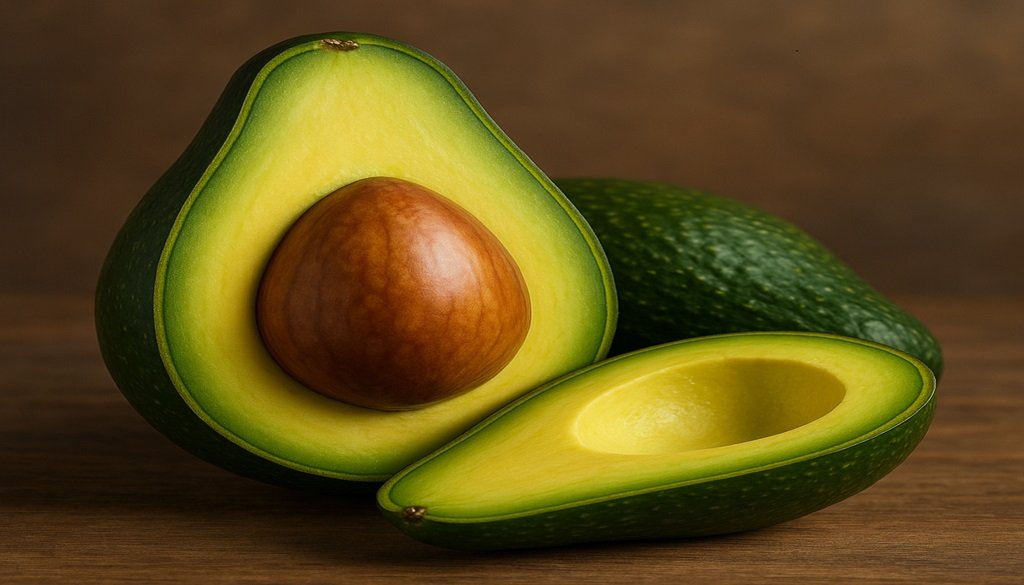
A buttery fruit with healthy monounsaturated fats that support cardiovascular health and provide sustained energy. It is also a great source of vitamin E, which supports immunity and skin health.
Locust Beans
Commonly known as iru or dawadawa, locust beans are fermented plant proteins rich in iron, probiotics, and amino acids. They contribute to better gut health, stronger bones, and reduced blood pressure.
| Superfood | Nutritional Highlights | Health Benefits |
| Ugu (Fluted Pumpkin) | Rich in iron, folate, vitamins A & C | Boosts blood health, immunity, and vision |
| Moringa Leaves | High in antioxidants, calcium, protein | Anti-inflammatory, supports bone and muscle health |
| Tiger Nuts | Fiber, magnesium, potassium, healthy fats | Aids digestion, heart health, and libido |
| Sweet Potatoes | Beta-carotene, fiber, vitamin C | Supports eye health, digestion, and immunity |
| Okra | Fiber, folate, vitamin C, antioxidants | Regulates blood sugar and supports pregnancy and gut health |
| Beans (Black-eyed peas) | Protein, fiber, iron, folate | Builds muscle, supports heart and digestive health |
| Plantains | Potassium, fiber, vitamin B6 | Supports heart health and energy metabolism |
| Crayfish | Protein, calcium, omega-3 fatty acids | Builds strong bones and supports brain function |
| Fermented Locust Beans (Iru) | Probiotics, protein, calcium, vitamins A & B | Improves gut health and enhances flavor naturally |
| Palm Oil (Unrefined) | Vitamin E, carotenoids, healthy fats | Antioxidant-rich, supports skin and heart health |
These indigenous foods are not only staples in Nigerian cuisine but also nutritional powerhouses that can rival any global superfood.
How to Add Power-Packed Nigerian Superfoods for Better Health Into Your Meals
- Blend moringa or ginger into your morning smoothie or tea.
- Add bitter leaf or uziza to soups and stews.
- Prepare millet or sorghum swallow instead of garri or fufu.
- Use ogbono or locust beans in traditional soups to boost nutrient density.
- Snack on tiger nuts, dates, and fresh avocado on the go.
Nutritional Expert Insights on Nigerian Superfoods
Dr. Agnes Yeboah, an African food systems researcher, affirms that indigenous foods hold the key to ending nutrient deficiencies in Africa. According to Harvard’s School of Public Health, whole foods rich in fiber, antioxidants, and plant compounds are linked to lower risks of chronic diseases
Research-Proven Benefits of Power-Packed Nigerian Superfoods for Better Health
- Reduced risk of heart disease
- Improved blood sugar control
- Better digestive and immune system function
- Mental and emotional health support from anti-inflammatory compounds (WHO)
1-Week Meal Plan Featuring Power-Packed Nigerian Superfoods for Better Health
| Day | Breakfast | Lunch | Dinner | Snack |
| Monday | Millet porridge with honey and moringa seeds | Ogbono soup with uziza and locust beans | Grilled fish with bitter leaf stir-fry | Tiger nuts and dates |
| Tuesday | Sorghum pap with ginger and whole milk | Avocado salad with grilled chicken | Moringa-infused vegetable soup | Roasted groundnuts |
| Wednesday | Avocado toast with boiled egg | Beans and locally prepared plantain | Bitter leaf soup with fufu swallow | Coconut slices |
| Thursday | Ginger and turmeric herbal tea with egg muffin | Ogbono and okra mix with iru | Roasted chicken with sorghum swallow | Tiger nuts and watermelon |
| Friday | Smoothie with moringa, avocado, banana | Uziza pepper soup with assorted meats | Millet and vegetable one-pot rice | Fresh dates and cashew nuts |
| Saturday | Tiger nut milk and whole wheat bread | Locust bean-enriched jollof rice | Stewed fish and peppered avocado | Whole roasted maize |
| Sunday | Honey-drizzled moringa pancakes | Efo riro with turmeric and iru | Fresh vegetable okra and grilled tilapia | Fruit salad with local honey |
FAQs About Power-Packed Nigerian Superfoods for Better Health
1. What makes Nigerian superfoods different from imported options
They are fresh, more affordable, culturally familiar, and loaded with nutrients that meet our body’s needs in the local climate.
2. Can I use Nigerian superfoods for weight loss
Yes. Foods like moringa, millet, tiger nuts, and bitter leaf support healthy metabolism, reduce cravings, and improve gut function.
3. Are there side effects from eating too much moringa or ginger
Moringa consumed excessively may cause digestive issues in some people. Ginger may cause irritation if taken in high amounts. Moderation is key.
4. How do I find authentic superfoods in my local market
Visit open markets, trusted herbal stores, or set up reliable farm-to-kitchen delivery relationships.
5. Can power-packed Nigerian superfoods for better health replace medication
No. They support wellness but should be used alongside medical advice, especially for chronic conditions.
6. Which Nigerian superfoods are best for children and seniors
Millet, avocado, local honey, and moringa are gentle and nutrient-dense options suitable for all age groups.
Final Thoughts
Using power-packed Nigerian superfoods for better health is an effective way to enjoy delicious meals while protecting your body from disease, boosting immunity, and supporting long-term wellness. With the right knowledge and a little creativity, you can rediscover the power in your plate and reclaim vitality the Nigerian way.
Download our free 1-Week Nigerian Superfood Meal Plan at Healthsclinic.com/shop and subscribe for fresh meal ideas, expert insights, and exclusive access to our community health challenges. Eat well, live well, and thrive with Nigerian superfoods.
This post is only for education and is not intended to replace professional medical advice.
Related Reading
- DASH and Flexitarian Meal Plans for Better Health
- Mediterranean Meal Plan: A Simple Guide
- How Hidden Sugars Sabotage Your Health



Pingback: Top 10 Natural Beauty Remedies for Nigerians