For many Nigerians, food choices are becoming more intentional. Rising rates of high blood pressure, diabetes, weight gain, and heart disease are prompting people to look beyond quick fixes and toward eating patterns that support long-term health. At the same time, concerns about food cost, availability, culture, and family preferences remain very real.
A plant-based vegan meal plan for healthy living focuses on whole foods such as vegetables, fruits, legumes, whole grains, nuts, and seeds to nourish the body and reduce disease risk. Across Nigeria and Africa, interest in plant-based eating is growing—not as a trend, but as a practical response to lifestyle-related conditions and the need for sustainable, affordable nutrition. Globally, well-planned vegan diets are increasingly recognized for their potential to meet nutritional needs at all stages of life when done correctly.
Plant-based eating is not about deprivation or abandoning cultural foods. It is about making thoughtful choices that support health, respect tradition, and fit everyday schedules. When planned well, a vegan meal plan can be satisfying, budget-friendly, and medically sound.
This guide explains how to follow a plant-based vegan meal plan for healthy living, using clear guidance and culturally relevant examples for Nigeria, Africa, and a global audience—so you can decide calmly whether this approach fits your lifestyle and health goals.
Understanding a Plant-Based Vegan Diet
What Plant-Based and Vegan Mean
A vegan diet excludes all animal products, including meat, fish, eggs, and dairy. A plant-based diet emphasizes foods derived from plants and minimizes or excludes animal products for health reasons. In practice, a plant-based vegan diet combines both approaches by focusing on whole, minimally processed plant foods.
Core Food Groups in a Vegan Meal Plan
A healthy vegan diet includes:
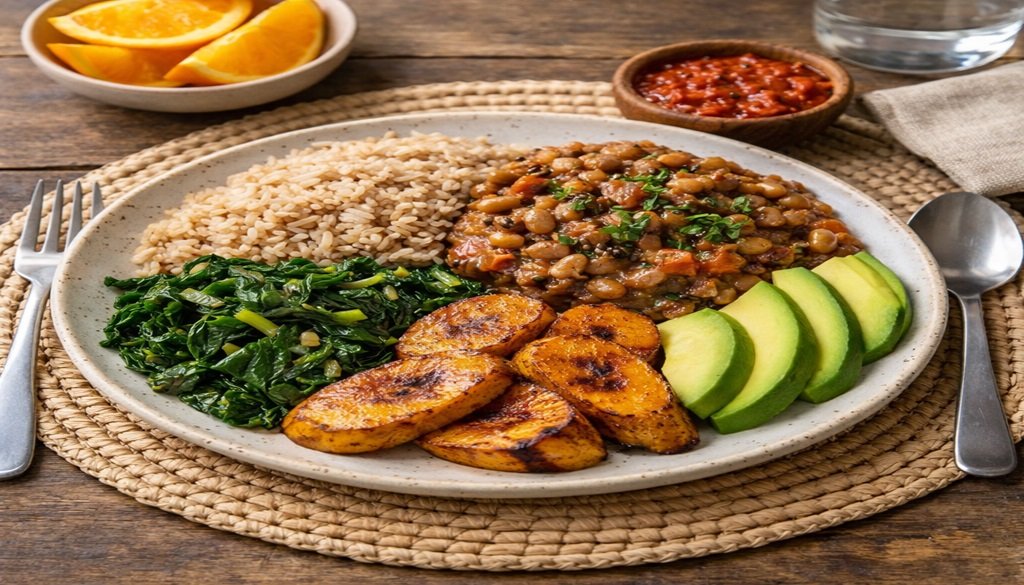
• Whole grains such as brown rice, millet, sorghum, oats, and whole-wheat products
• Legumes like beans, lentils, chickpeas, soybeans, and groundnuts
• Vegetables, especially leafy greens and colorful varieties
• Fruits, both fresh and dried
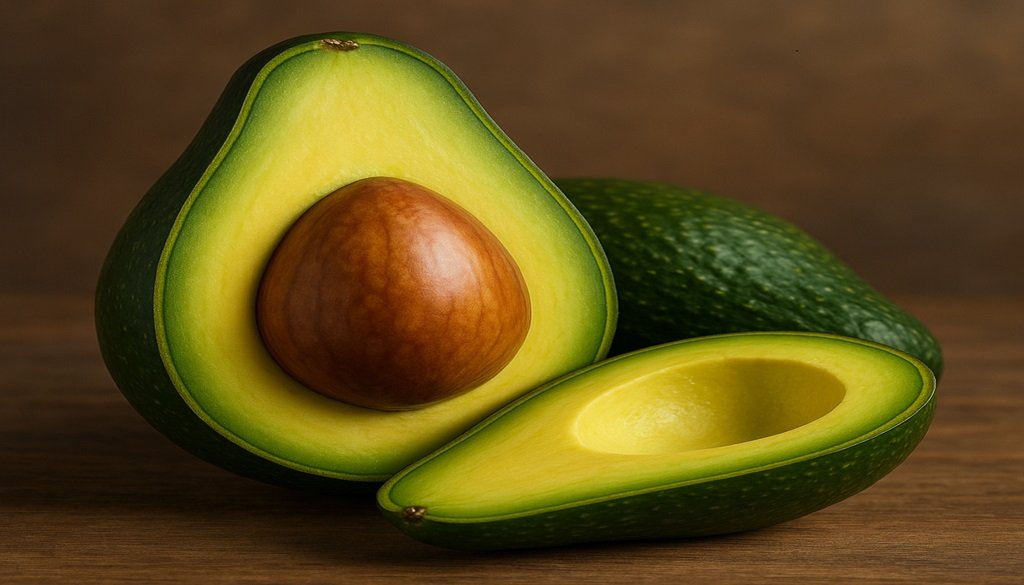
• Healthy fats from nuts, seeds, avocado, and plant oils
• Fortified foods or supplements for nutrients like vitamin B12
According to the World Health Organization, diets rich in fruits, vegetables, and whole grains reduce the risk of non-communicable diseases such as heart disease and type 2 diabetes.
Health Benefits of a Plant-Based Vegan Meal Plan
Cardiovascular Health
Plant-based diets are naturally low in saturated fat and cholesterol. Studies published in the Journal of the American Heart Association show that plant-based eating patterns are associated with lower blood pressure and reduced cardiovascular risk.
Dr. Adewale Troutman, a Nigerian-born public health physician, notes that diets high in vegetables and legumes help address hypertension, which affects over 30 percent of Nigerian adults.
Blood Sugar and Diabetes Control
High fiber intake improves insulin sensitivity and glycemic control. The American Diabetes Association recognizes plant-based diets as effective for diabetes prevention and management.
Weight Management
Whole plant foods are nutrient-dense but calorie-moderate, supporting healthy weight loss and long-term weight maintenance without extreme restriction.
Digestive and Gut Health
Dietary fiber feeds beneficial gut bacteria, improving digestion, immunity, and inflammation control.
Key Nutrients to Watch on a Vegan Diet
Protein
Adequate protein can be obtained from beans, lentils, soy products, groundnuts, seeds, and whole grains. Combining different plant proteins across the day ensures all essential amino acids.
Vitamin B12
Vitamin B12 is not naturally present in plant foods. Fortified cereals, fortified plant milks, or supplements are necessary. The National Institutes of Health recommends regular supplementation for vegans.
Iron
Plant iron is non-heme iron. Absorption improves when consumed with vitamin C-rich foods such as citrus fruits, tomatoes, and peppers.
Calcium and Vitamin D
Calcium can be obtained from fortified plant milks, tofu, sesame seeds, and leafy greens. Vitamin D may require sun exposure or supplementation.
Omega-3 Fatty Acids
Sources include flaxseeds, chia seeds, walnuts, and algae-based supplements.
Plant-Based Vegan Meal Plan for Nigeria
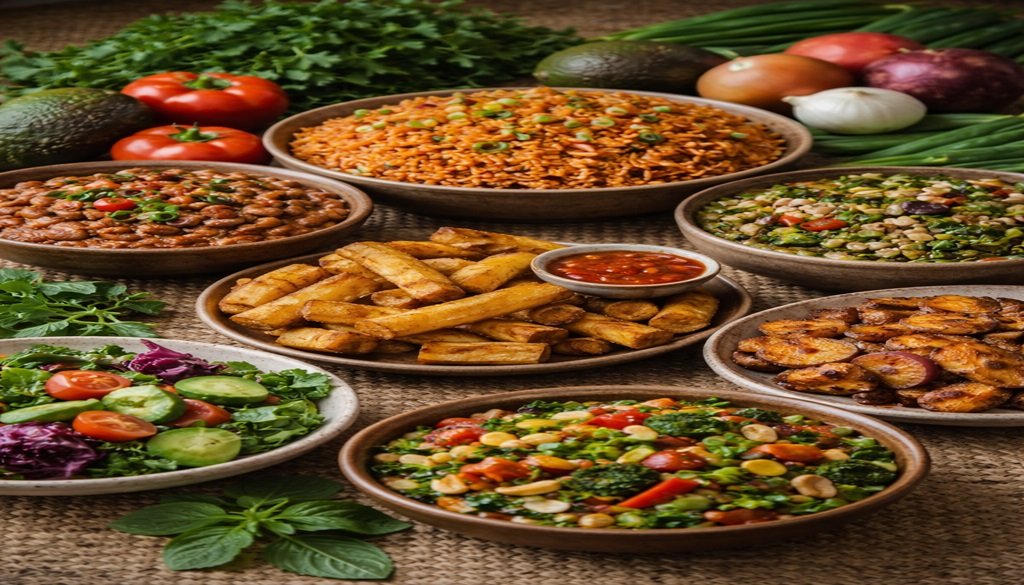

This section adapts vegan nutrition to Nigerian food culture, availability, and affordability.
Nigerian Vegan Breakfast Ideas
• Pap (ogi) made from millet or maize, served with soy milk
• Boiled sweet potatoes with groundnut sauce
• Oatmeal cooked with dates, bananas, and groundnuts
• Moi-moi made with beans, onions, and peppers without fish or eggs
Nigerian Vegan Lunch Options
• Brown rice with vegetable stew made from tomatoes, peppers, and spinach
• Beans porridge cooked with palm oil in moderation and leafy greens
• Yam and vegetable sauce with mushrooms
• Ofada rice with plant-based efo riro using mushrooms and tofu
Nigerian Vegan Dinner Choices
• Stir-fried vegetables with tofu and local spices
• Millet swallow with okra or ogbono soup prepared without meat or fish
• Boiled plantain with garden egg sauce
Healthy Nigerian Vegan Snacks
• Roasted groundnuts
• Coconut slices
• Tigernuts
• Fresh fruits such as oranges, pawpaw, and pineapple
Local nutrition researcher Dr. Olayemi Omotayo emphasizes that traditional Nigerian diets were largely plant-based before increased meat consumption, making vegan adaptation culturally realistic.
Plant-Based Vegan Meal Plan for Africa
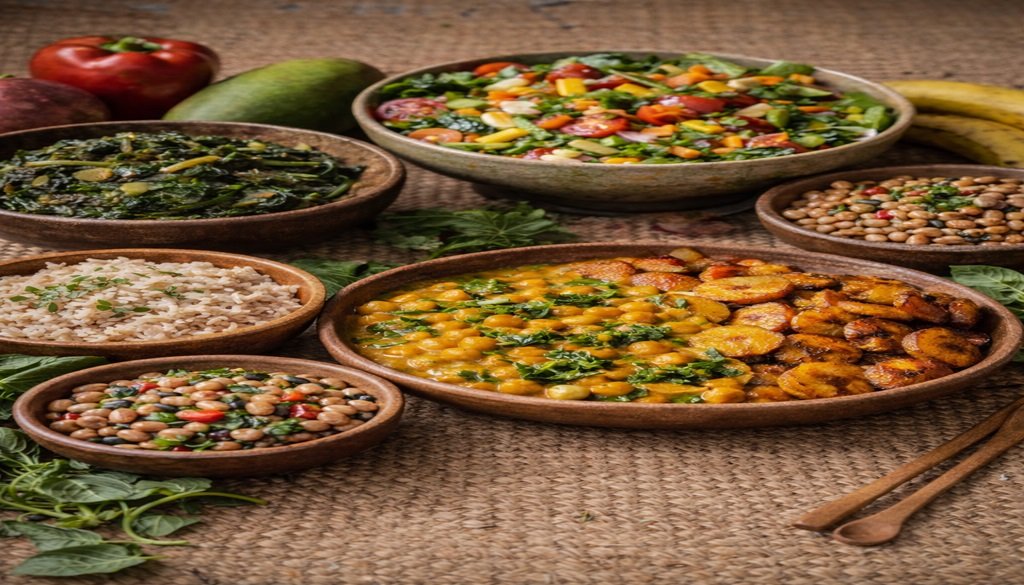
Africa’s diverse regions offer rich plant foods that support vegan nutrition.
Common African Plant Staples
• Sorghum, millet, teff, and maize
• Beans, cowpeas, lentils, and chickpeas
• Leafy greens such as amaranth, cassava leaves, and kale
• Fruits like mangoes, bananas, and guavas
Sample African Vegan Daily Plan
Breakfast
Millet porridge with peanuts and fruit
Lunch
Lentil and vegetable stew with brown rice or injera
Dinner
Stir-fried vegetables with beans and sweet potatoes
Snacks
Fresh fruit, roasted seeds, or boiled maize
The Food and Agriculture Organization highlights legumes as key to improving protein intake in African populations.
Global Plant-Based Vegan Meal Plan
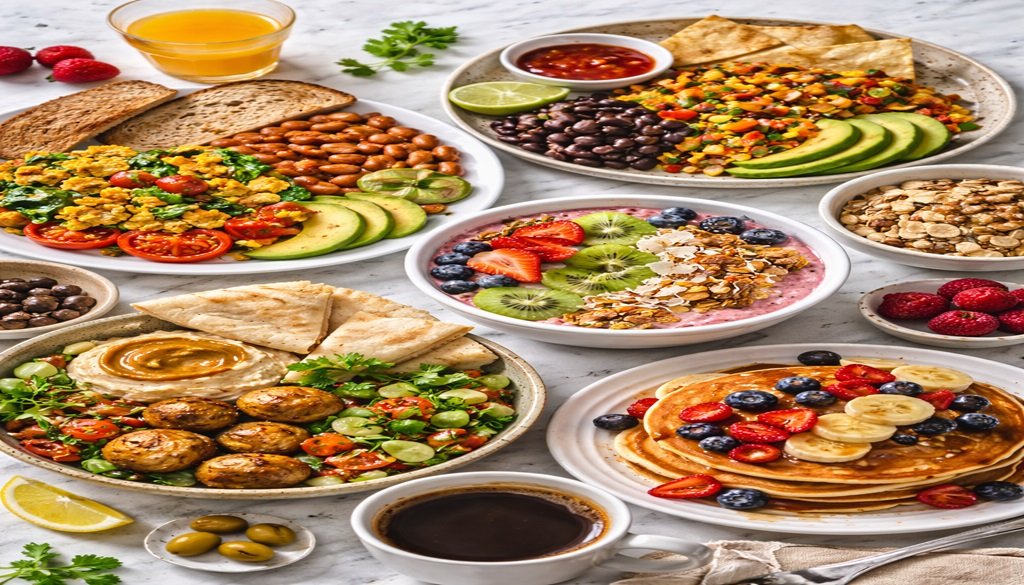
For an international audience, this plan reflects globally accessible foods.
Global Vegan Breakfasts
• Whole-grain toast with avocado and seeds
• Smoothies made with leafy greens, fruits, and fortified plant milk
• Overnight oats with nuts and berries
Global Vegan Lunches
• Chickpea and vegetable stir-fry
• Quinoa salad with beans, vegetables, and olive oil
• Lentil soup with whole-grain bread
Global Vegan Dinners
• Vegetable curry with brown rice
• Baked tofu with roasted vegetables
• Pasta with tomato-based vegetable sauce
Snacks
• Hummus with vegetables
• Nuts and seeds
• Fresh fruit
Harvard T.H. Chan School of Public Health states that well-planned vegan diets are suitable for adults and reduce chronic disease risk.
Weekly Sample Vegan Meal Plan Structure
Day 1
Breakfast: Oats with fruit and seeds
Lunch: Beans and vegetable rice
Dinner: Stir-fried vegetables with tofu
Day 2
Breakfast: Smoothie with greens and fruit
Lunch: Lentil stew with whole grains
Dinner: Plantain and vegetable sauce
Day 3
Breakfast: Pap with soy milk
Lunch: Chickpea salad
Dinner: Vegetable soup with millet
This structure can be rotated and customized based on location and season.
Eating Plant-Based on a Budget
• Buy local and seasonal produce
• Use dried beans and grains instead of canned
• Cook in bulk and store meals
• Limit ultra-processed vegan foods
In Nigeria, staples like beans, rice, yams, and vegetables make plant-based eating affordable when planned properly.
Common Challenges and Practical Solutions
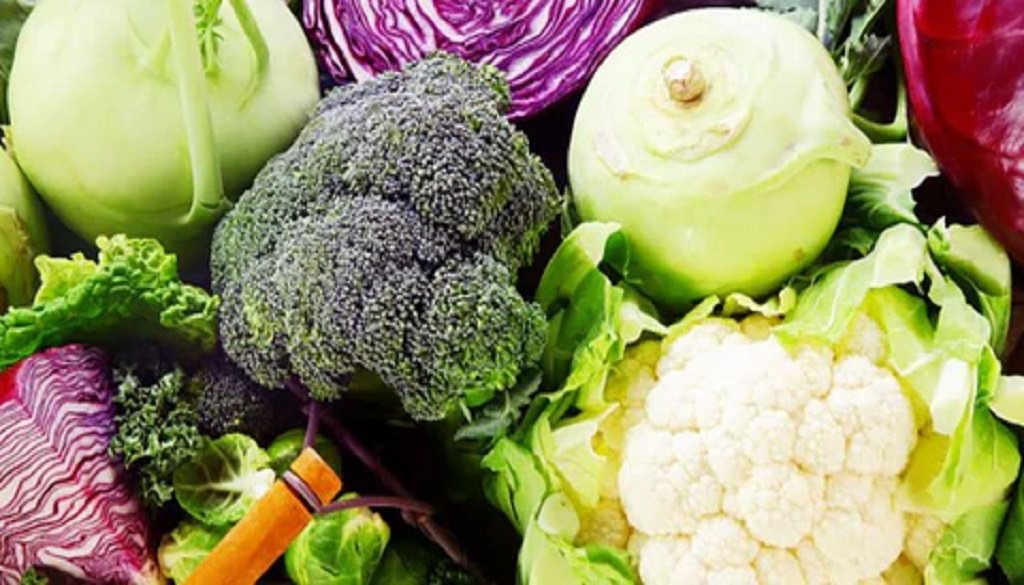
Taste and Satisfaction
Use herbs, spices, onions, garlic, ginger, and local seasonings to enhance flavor.
Social and Cultural Pressure
Focus on health reasons and adapt traditional meals rather than abandoning them.
Nutrient Concerns
Regular meal planning and supplementation where needed address deficiencies.
Frequently Asked Questions
Is a vegan diet safe for Nigerians?
Yes. When properly planned, it meets nutritional needs and supports heart and metabolic health.
Can children follow a vegan diet?
With medical supervision and proper planning, children can meet their needs, including protein and micronutrients.
Do vegans get enough protein?
Yes. Beans, lentils, soy products, nuts, and grains provide adequate protein.
Is a plant-based diet good for hypertension?
Evidence shows it can significantly lower blood pressure when combined with healthy lifestyle habits.
Final Thoughts
A plant-based vegan meal plan for healthy living is achievable, culturally adaptable, and supported by strong scientific evidence. In Nigeria, across Africa, and globally, plant-based eating aligns with traditional food systems while addressing modern health challenges. The key is thoughtful planning, nutrient awareness, and consistency. By focusing on whole foods, local ingredients, and balanced meals, individuals can enjoy improved health, sustainable nutrition, and long-term well-being.
Medical Disclaimer
This article is for educational purposes only and does not replace professional medical advice. Always consult a qualified healthcare provider or registered dietitian before making significant dietary changes, especially if you have existing medical conditions or special nutritional needs.
Related Reading
- Intermittent Fasting Meal Plan for Beginners
- How Hidden Sugars Sabotage Your Health
- Best Foods for Glowing Skin and Natural Anti-Aging