
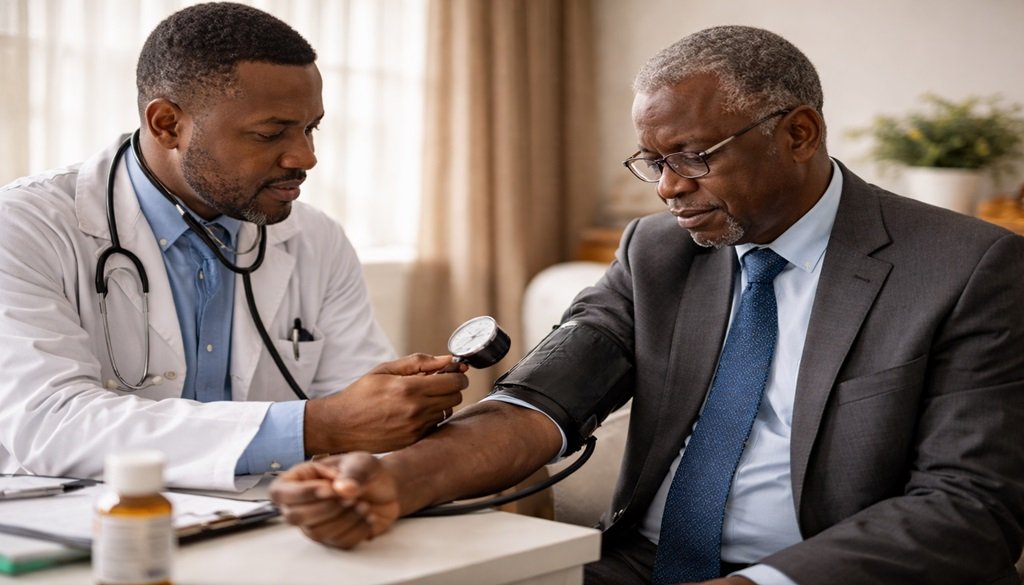
In many Nigerian homes, high blood pressure is often discovered by chance—during a routine clinic visit, a workplace screening, or after a sudden health scare. Before then, life goes on as usual. People feel “fine,” continue working long hours, manage stress quietly, and rarely think to check their blood pressure until something goes wrong.
Yet living with high blood pressure in Nigeria has become a reality for millions of adults, cutting across age, profession, and social class. Hypertension develops slowly and silently, sometimes over years, damaging the heart, brain, kidneys, and blood vessels without obvious warning signs. Many Nigerians only learn they have the condition after complications such as stroke, heart failure, or kidney disease appear.
From everyday clinical experience, late detection, inconsistent treatment, cost concerns, and misinformation all make blood pressure control more difficult. Still, high blood pressure is one of the most manageable chronic conditions when understood early and treated consistently.
This article explains high blood pressure in Nigeria in clear, practical terms—covering common causes, health risks, how it is diagnosed, and realistic ways people can manage the condition and live well. The focus is on awareness, early action, and long-term care, without fear or alarm.
Understanding High Blood Pressure in Nigeria
High blood pressure occurs when the force of blood pushing against the walls of the arteries remains consistently higher than normal. Over time, this excess pressure strains blood vessels and vital organs such as the heart, kidneys, brain, and eyes.
Blood pressure is measured using two numbers:
- Systolic pressure, which reflects pressure when the heart beats
- Diastolic pressure, which reflects pressure when the heart rests between beats
When these numbers remain elevated over time, a person is diagnosed with hypertension.
One reason high blood pressure in Nigeria is particularly dangerous is that it often causes no noticeable symptoms. Many people feel well even when their readings are dangerously high. This is why hypertension is commonly called a silent condition.
Common Causes of High Blood Pressure in Nigeria
High blood pressure rarely develops from a single cause. Instead, it results from a combination of lifestyle, genetic, and environmental factors.
Dietary and Lifestyle Factors

Diet plays a major role in blood pressure control. Many Nigerians consume diets high in salt, processed foods, and unhealthy fats. Excess salt causes the body to retain fluid, increasing pressure in blood vessels.
Other lifestyle factors that contribute include physical inactivity, excessive alcohol intake, tobacco use, and weight gain. Urbanization has also reduced daily physical activity, especially among people working long hours in sedentary jobs.
Stress and Urban Living

Chronic stress is a major contributor to high blood pressure in Nigeria. Financial pressure, job insecurity, traffic congestion, and social responsibilities increase stress levels for many adults.
Persistent stress activates hormonal responses that raise heart rate and blood pressure. Over time, this constant elevation damages blood vessels and increases hypertension risk. Poor sleep further worsens blood pressure control.
Genetics and Family History
People with a family history of high blood pressure face a higher risk of developing the condition. Genetics influence how the body regulates salt, blood vessel tone, and hormone responses.
The American Heart Association reports that hypertension is more prevalent and develops earlier in people of African ancestry
Symptoms and Warning Signs of High Blood Pressure
Most people with high blood pressure experience no symptoms, especially in the early stages. This makes regular blood pressure checks essential.
When symptoms do occur, they may include headaches, dizziness, chest discomfort, shortness of breath, blurred vision, and nosebleeds in severe cases. These symptoms often appear when blood pressure has reached dangerously high levels.
Relying on symptoms alone to detect hypertension is risky. Regular monitoring remains the safest approach.
Health Risks of Uncontrolled High Blood Pressure
When left untreated, high blood pressure damages blood vessels and organs over time. The risks increase the longer the condition remains uncontrolled.
Heart and Blood Vessel Complications
High blood pressure forces the heart to work harder, leading to heart enlargement, heart failure, heart attacks, and stroke. Damaged blood vessels also increase the risk of blood clots and blocked arteries.
Kidney, Eye, and Brain Effects
Persistent high blood pressure harms small blood vessels throughout the body. This can result in chronic kidney disease, vision loss, memory problems, and reduced cognitive function.
The World Health Organization identifies high blood pressure as a major risk factor for cardiovascular disease, stroke, and kidney failure
How High Blood Pressure Is Diagnosed
Diagnosis relies on accurate blood pressure measurement. A single high reading does not always confirm hypertension. Doctors usually check blood pressure on multiple occasions.
In Nigeria, blood pressure can be checked at hospitals, clinics, pharmacies, community health outreaches, and with home blood pressure devices. Adults should check their blood pressure regularly, even if they feel healthy.
Living With High Blood Pressure in Nigeria
Living with high blood pressure requires long-term commitment rather than short-term fixes. With proper care, many Nigerians live active and productive lives while managing hypertension.
Healthy Lifestyle Changes

Lifestyle changes form the foundation of blood pressure control. These include reducing salt intake, eating balanced meals with fruits and vegetables, choosing traditional Nigerian foods prepared with less oil and salt, engaging in regular physical activity, managing stress, and maintaining a healthy weight.
Small, consistent changes often lead to meaningful improvements.
Medication and Medical Care
Many people require medication to control blood pressure. Doctors prescribe these medicines based on individual needs and health status.
It is important to take medications exactly as prescribed, avoid skipping doses, and avoid mixing prescribed drugs with herbal remedies without medical advice.
The Federal Ministry of Health Nigeria emphasizes adherence to prescribed treatment as a key factor in controlling hypertension
Monitoring and Follow-Up Care
Monitoring blood pressure at home helps patients track progress and identify changes early. Keeping a record of readings supports better communication with healthcare providers. Regular follow-up appointments allow doctors to adjust treatment and address side effects.
When to See a Doctor for High Blood Pressure
People should seek medical attention if blood pressure readings remain high despite treatment, new symptoms develop, chest pain occurs, severe headaches appear, or medication side effects become concerning. Emergency care is required if blood pressure rises suddenly with severe symptoms.
Preventing High Blood Pressure in Nigeria
Prevention begins early. Even people without hypertension benefit from habits that protect the heart and blood vessels.
Key preventive strategies include maintaining a healthy diet, staying physically active, managing stress, avoiding tobacco use, limiting alcohol intake, and checking blood pressure regularly.
Common Myths About High Blood Pressure in Nigeria
Many myths interfere with proper care.
- Feeling fine does not mean blood pressure is normal
- Young people can develop hypertension
- Herbal remedies cannot replace prescribed medication
Replacing myths with accurate information improves outcomes.
Frequently Asked Questions (FAQs)
What causes high blood pressure in Nigeria?
High blood pressure results from lifestyle habits, stress, genetics, dietary patterns, and environmental factors.
Can young people have high blood pressure?
Yes. High blood pressure can affect young adults, especially those with a family history, stress, or unhealthy lifestyles.
How often should blood pressure be checked?
Adults should check blood pressure at least once a year, or more often if advised by a healthcare provider.
Can lifestyle changes help control blood pressure?
Yes. Healthy eating, physical activity, stress management, and weight control strongly support blood pressure management.
When should someone with high blood pressure seek urgent care?
Urgent care is needed for severe headache, chest pain, shortness of breath, confusion, or extremely high readings.
Final Thoughts
High blood pressure in Nigeria is common, serious, and often silent, but it is manageable. Early detection, lifestyle changes, regular monitoring, and proper medical care significantly reduce complications.
Living well with hypertension requires consistency, informed decisions, and partnership with healthcare providers. Regular blood pressure checks and early care-seeking are among the most powerful steps Nigerians can take to protect their heart health.
Download our free blood pressure tracker eBook at Healthsclinic.com/shop.
This post is for education only and is not to replace professional medical advice.
Related Reading
- Chronic Respiratory Disorders in Nigeria Explained
- 30-Day Energy Reset: A Nigerian Transformation Story
- The Burden of Sickle Cell Anemia in Nigeria




Pingback: 5-Minute Healthy Nigerian Meals for Busy Professionals
Pingback: Plant-Based Vegan Meal Plan for Healthy Living
Pingback: Best 1-Week Meal Plan For Over-40s Arthritis