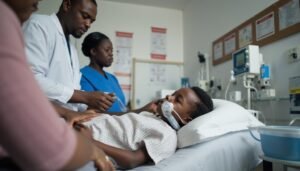
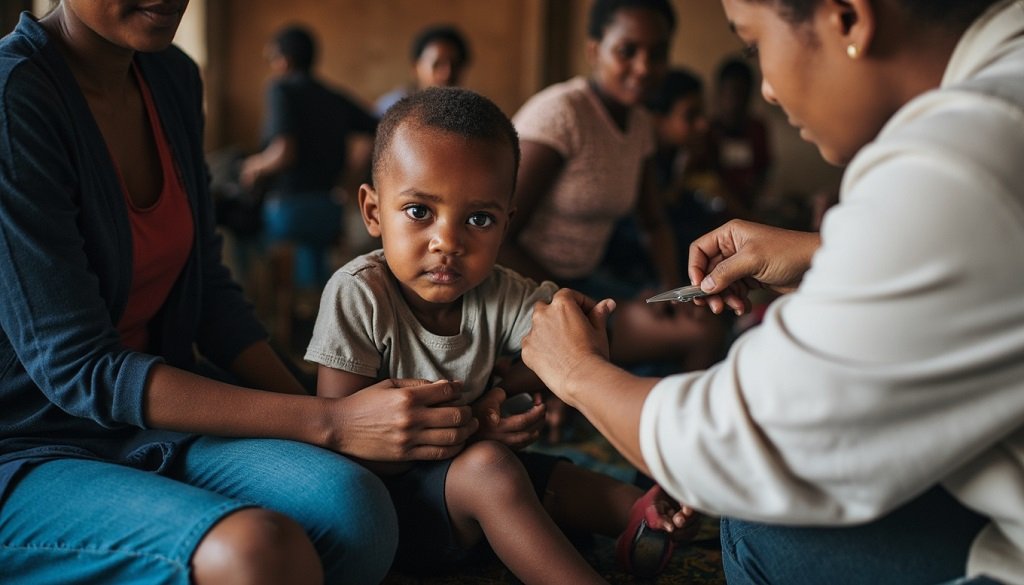
In many Nigerian families, sickle cell anemia is a condition they live with quietly—managing pain episodes at home, frequent hospital visits, missed school days, and emotional strain that outsiders rarely see. For some, the disease is discovered only after repeated illness in childhood; for others, it becomes a lifelong challenge that affects education, work, family planning, and overall quality of life.
The burden of sickle cell anemia in Nigeria is among the highest in the world. Millions of Nigerians live with the disease, while many more carry the sickle cell trait without fully understanding its implications. This inherited blood disorder contributes significantly to childhood and adult illness and death, placing heavy demands on families, caregivers, and an already stretched health system.
From clinical and public-health experience, gaps in awareness, early screening, and access to consistent care remain major barriers to better outcomes. Yet with timely diagnosis, proper management, and informed family decisions, many people with sickle cell anemia can live longer, more stable lives.
This guide explores the burden of sickle cell anemia in Nigeria, explaining its causes, symptoms, risk factors, and treatment options—so individuals, families, and communities can make informed choices and support better long-term care.
What Is Sickle Cell Anemia?
Definition and Disease Mechanism
Sickle cell anemia is a genetic blood disorder caused by a mutation in the hemoglobin‑beta (HBB) gene that results in abnormal sickle‑shaped red blood cells. These rigid cells block blood flow in small vessels, leading to painful episodes, tissue damage, and multiple complications throughout the body. (who.int)
Inheritance
The disease is inherited in an autosomal recessive manner. A child develops sickle cell disease (SCD) when they inherit two copies of the sickle gene (one from each parent). Individuals with one normal gene and one sickle gene have the sickle cell trait (HbAS) and typically do not experience the full disease. (who.int)
National Burden of Sickle Cell Anemia in Nigeria
Prevalence and Demographics
Nigeria is widely recognized as having the highest global burden of sickle cell disease. An estimated 150,000 babies are born annually with SCD in the country, and Nigeria accounts for a significant proportion of global cases. Roughly one in four Nigerians carries the sickle cell trait, meaning millions are healthy carriers who can pass the gene to future generations. (sicklecellfoundation.com)
Studies estimate that 4–6 million people in Nigeria are living with SCD and that 2–3% of the population is affected by the disease. (panafrican-med-journal.com)
Child Mortality and Morbidity
In Nigeria, a large number of children born with SCD do not reach their fifth birthday due to lack of early diagnosis, limited access to care, and complications such as infections and severe anemia. Up to 50–90% of children with SCD in sub‑Saharan Africa may die before age five, highlighting massive gaps in early care and preventive services. (sicklecellfoundation.com)
Socio‑Economic Impact of Burden of Sickle Cell Anemia in Nigeria
The disease places a heavy financial burden on families due to frequent hospital visits, long‑term medication needs, and lost productivity from recurrent illness. The stigma associated with SCD in some communities also contributes to social and psychological challenges for affected individuals. (sicklecellfoundation.com)
Causes and Risk Factors

Genetic Causes
The root cause of sickle cell anemia is the inheritance of two copies of the mutated hemoglobin‑beta gene. People with the trait (HbAS) are carriers and usually do not show full disease symptoms but can pass the gene on to children. (who.int)
Environmental and Health System Influences
Factors such as recurrent malaria, lack of universal newborn screening, low awareness of genotype status, and limited access to comprehensive care exacerbate the impact of sickle cell disease in Nigeria. (wajmed.com)
Symptoms and Signs
Common Clinical Features
Sickle cell anemia manifests through a range of symptoms due to blocked blood flow and hemolysis of red blood cells. Typical signs and symptoms include: (who.int)
- Painful crises (vaso‑occlusive episodes): severe pain in bones and joints
- Chronic anemia: fatigue, weakness, shortness of breath
- Swelling of hands and feet (dactylitis) in infants
- Frequent infections: due to spleen damage
- Delayed growth and puberty in children
- Vision problems: from blood vessel damage in the retina
When to See a Specialist
Knowing when to seek medical help is crucial to preventing severe complications:
- Severe pain that does not respond to home pain relief
- High fever indicating possible infection
- Breathing difficulty or chest pain
- Signs of stroke: sudden weakness, difficulty speaking
- Persistent fatigue or pallor
- Unusual swelling, such as in the legs or abdomen
Prompt evaluation by a hematologist or specialist in sickle cell care can reduce complications and improve quality of life. (who.int)
Diagnosis and Screening
Newborn and Prenatal Screening
Early diagnosis is vital. Newborn screening ensures that babies with SCD are identified early and receive preventive care, such as penicillin prophylaxis and immunizations. Couples planning to marry are encouraged to undergo genotype testing to understand their risk of having children with SCD. (guardian.ng)
Diagnostic Tests
Standard tests for SCD include:
- Hemoglobin electrophoresis to identify hemoglobin types
- Complete blood count (CBC)
- Newborn heel‑prick testing
Treatment and Management Options
Medical Management
There is no widespread cure for SCD, but several treatments improve symptoms and quality of life:
Possible Treatment Options
- Hydroxyurea: reduces painful crises and need for transfusions
- Pain management: with NSAIDs and opioid medications during crises
- Antibiotic prophylaxis: especially penicillin for young children
- Vaccinations: pneumococcal, meningococcal, and influenza vaccines to prevent infections
- Blood transfusions: for severe anemia and certain complications
- Bone marrow or stem cell transplant: potentially curative, but access is limited
Effective management requires a comprehensive care plan, regular follow-ups, and adherence to medications. (health.gov.ng)
Lifestyle and Supportive Care

- Maintaining hydration
- Balanced nutrition
- Avoiding extreme temperatures
- Routine health checkups
Support groups and community resources can also provide psychosocial support for individuals and families affected by SCD.
Public Health Strategies and Prevention
Awareness and Education
Raising public awareness about the disease, the importance of genotype testing, and early diagnosis is key to prevention and reducing the disease burden. Community outreach and education campaigns should target youth and parents. (guardian.ng)
Policy and National Guidelines
Nigeria’s Federal Ministry of Health has developed national guidelines for the control and management of sickle cell disease to standardize clinical care and promote best practices. Strengthening implementation of these guidelines and expanding comprehensive care centers can improve outcomes. (health.gov.ng)
Frequently Asked Questions
Q1: What is the difference between sickle cell trait and sickle cell disease?
A: Sickle cell trait means carrying one abnormal gene and typically does not cause severe symptoms. Sickle cell disease occurs when two abnormal genes are inherited, leading to the full condition. (who.int)
Q2: Can sickle cell anemia be prevented?
A: The disease itself cannot be prevented genetically, but awareness, genotype screening before marriage, and newborn screening reduce risk and improve outcomes. (guardian.ng)
Q3: At what age should screening happen?
A: Ideally, newborn screening should occur immediately after birth; genotype testing can be done any time for individuals or couples. (guardian.ng)
Q4: Is there a cure for sickle cell anemia?
A: Bone marrow and stem cell transplants can be curative, but they are not widely available or affordable in Nigeria. (health.gov.ng)
Q5: How does SCD affect life expectancy?
A: With proper care and access to treatments like hydroxyurea, life expectancy and quality of life improve significantly. (sicklecellfoundation.com)
Final Thoughts
The burden of sickle cell anemia in Nigeria is a complex combination of genetic risk, health system gaps, and social challenges. Millions of Nigerians carry the sickle cell gene, and hundreds of thousands of children are born yearly with the disease. With early diagnosis, education, better access to treatments, and strong public health policies, outcomes can improve significantly. Sickle cell disease should not be seen as an inevitable death sentence; with strategic action and community support, many individuals can live fulfilling, productive lives despite the challenges of SCD. (sicklecellfoundation.com)
This post is for education only and is not intended to replace professional medical advice or treatment.
Related Reading
- Nigeria’s TB Crisis: Rising Cases and Hidden Gaps
- Living With Diabetes Mellitus in Nigeria Explained
- Curb Heart Attacks in Nigeria with Home Solutions