
For many Nigerians trying to lose weight or improve blood sugar control, the keto diet often comes up in conversations, social media posts, and health discussions. Someone mentions rapid weight loss, another talks about cutting out garri or rice, and curiosity grows—along with confusion about what keto really involves and whether it is safe.
A keto meal plan for beginners is built around a very low-carbohydrate, high-fat way of eating that encourages the body to switch from using glucose to burning fat for fuel. While this approach can be effective for some people, it is also one of the most misunderstood nutrition strategies. Keto is not simply about eating more fat; it requires careful planning, balanced food choices, and an understanding of who it suits.
From clinical experience and research, ketogenic diets can support short-term weight loss and improvements in markers such as waist size, triglycerides, and blood sugar in people with overweight or obesity. At the same time, responses vary, and questions around long-term safety, cholesterol changes, and sustainability mean keto should be approached thoughtfully, not casually.
This guide offers a simple keto meal plan for beginners, explains how keto works in clear terms, and shares beginner-friendly meal examples adapted for Nigerian kitchens, wider African diets, and a global audience—so you can decide, calmly and informed, if keto is right for you.
What Is the Keto Diet?
Keto basics and macros
The ketogenic diet drastically reduces carbohydrate intake and increases fat intake while providing moderate protein. Typical macro ranges for a standard keto diet are:lofoods+1
- Carbohydrates: about 5–10% of total calories (often 20–50 g per day).
- Protein: around 20–25% of total calories.
- Fat: roughly 70–75% of total calories.shunketo+2
When carbohydrate intake is kept this low, the liver produces ketone bodies from fat, which can be used by the brain and other tissues as an alternative energy source in a state called nutritional ketosis. This metabolic state is similar to aspects of fasting physiology and is the central goal of a keto meal plan.healthline+1
Types of keto diets
Several variations of keto exist, but most beginners use the standard ketogenic diet (SKD):
- Standard ketogenic diet (SKD): Very low carb, moderate protein and high fat every day; this is the typical weight‑loss version.health+1
- Cyclical or targeted keto: Include higher‑carb periods around workouts or specific days, generally used by athletes or bodybuilders and not necessary for most beginners.health+1
Therapeutic keto for epilepsy or certain neurological conditions is usually stricter and should only be done under specialist medical supervision.pmc.ncbi.nlm.nih+1
Evidence: Does Keto Help with Weight Loss?
Research on keto and obesity
Randomised controlled trials and meta‑analyses have explored keto for obesity and metabolic syndrome. Several findings stand out:pmc.ncbi.nlm.nih+2
- Short‑term studies (up to 6–12 months) often show greater weight loss on ketogenic diets compared with low‑fat diets, especially when carb restriction is confirmed by ketone measurements.pmc.ncbi.nlm.nih+1
- Participants on keto frequently experience reductions in body weight, BMI, waist circumference and visceral fat, along with improvements in triglycerides and HDL cholesterol.pmc.ncbi.nlm.nih+2
However, when trials extend to 12–24 months, differences in weight loss between keto and other calorie‑restricted diets tend to shrink, suggesting that long‑term adherence and overall calorie balance matter as much as the specific diet type.nutritionsource.hsph.harvard+1
Risks, side effects and limitations
Keto is more restrictive than many other eating patterns and can cause side effects, particularly early on. Common issues include:nm+1
- “Keto flu”: fatigue, headache, dizziness, constipation and irritability in the first days or weeks as the body adapts.webmd+1
- Nutrient gaps if vegetables and fibre are too limited, potentially affecting gut health and micronutrient intake.pmc.ncbi.nlm.nih+1
- Increases in LDL cholesterol in some individuals, even when triglycerides improve, which raises questions about long‑term cardiovascular risk.nm+1
Reviews from academic and clinical sources emphasise that people with kidney disease, liver disease, pancreatitis, certain metabolic disorders, or a history of eating disorders should not follow a ketogenic diet without close medical supervision.zoe+2
Is Keto Safe for Beginners?

Who should talk to a doctor first
Before starting a keto meal plan, it is especially important to consult a healthcare professional if you:
- Have type 1 or type 2 diabetes or use glucose‑lowering medications.
- Have high blood pressure, cardiovascular disease, kidney or liver disease.
- Are pregnant, breastfeeding or trying to conceive.
- Have a history of disordered eating or underweight.zoe+2
Therapeutic ketogenic diets used for epilepsy or other neurological conditions are often very high in fat and extremely low in protein and carbohydrates, and should only be implemented by a multidisciplinary medical team.healthline+1
Managing common side effects
Beginners can sometimes reduce “keto flu” symptoms by increasing fluid intake, ensuring sufficient salt and potassium from low‑carb vegetables, and transitioning gradually rather than cutting all carbs overnight. Choosing whole foods rather than highly processed “keto snacks” helps maintain fibre, micronutrients and overall diet quality. Regular monitoring of weight, energy, bowel habits and, where appropriate, lab markers like lipids and kidney function is advisable when keto is used for more than a short period.pmc.ncbi.nlm.nih+4
What to Eat on a Keto Meal Plan
Foods to include
A well‑planned keto meal plan focuses on:
- Non‑starchy vegetables: spinach, kale, ugu, sukuma wiki, lettuce, cabbage, cucumber, broccoli, peppers, zucchini.webmd+1
- Protein sources: eggs, fish, shellfish, chicken, turkey, beef, goat and other meats in moderate portions.healthline
- Healthy fats: avocado, olive oil, coconut oil, palm oil in moderation, butter or ghee, nuts and seeds (groundnuts, almonds, sunflower seeds).lofoods+1
- Limited dairy: cheese, cream and unsweetened yoghurt, if tolerated and consistent with personal health needs.healthline
These foods provide the fat and protein base of the diet while keeping carbohydrates very low.
Foods to limit or avoid
On a standard ketogenic diet, many common staples are heavily restricted. Foods to avoid or minimise include:webmd+1
- Grains: white and brown rice, bread, pasta, noodles, most breakfast cereals.
- Sugary foods: soft drinks, juice, sweets, biscuits, pastries.
- Starchy vegetables and tubers: yams, potatoes, cassava, plantain in typical portions.
- Most beans and lentils in large quantities, due to their carbohydrate content, though small amounts may fit in more liberal low‑carb plans.webmd+1
- High‑sugar fruits in large amounts: bananas, mangoes, grapes, pineapple and similar.
Keto Meal Plan for Nigerians
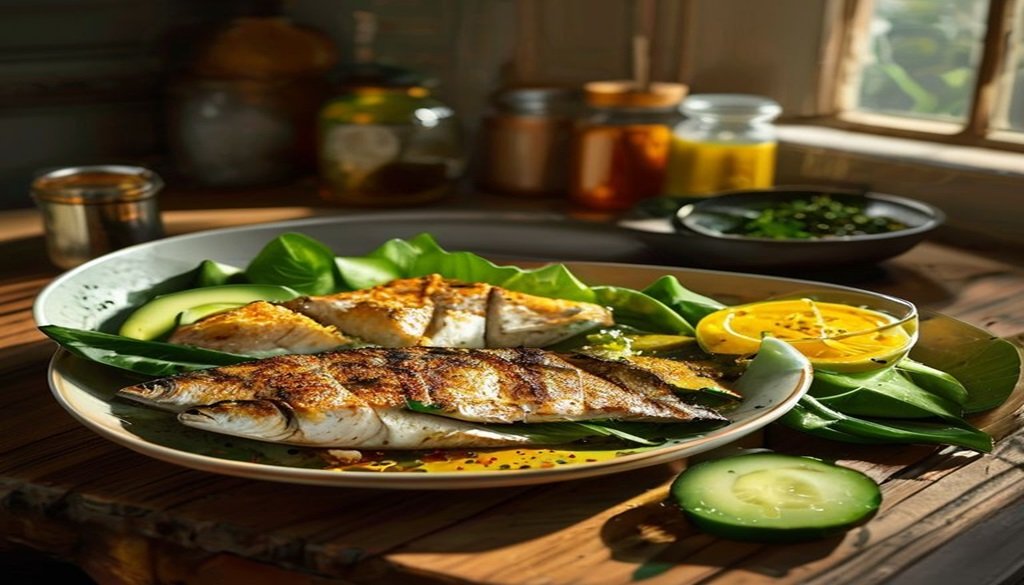
Keto has become popular in Nigeria, with many people adapting local dishes to reduce carbohydrate load while keeping flavours familiar.kobokofitness+1
Nigerian‑friendly keto principles
Several adjustments help align Nigerian meals with keto guidelines:
- Reduce or remove large portions of rice, garri, fufu, amala, pounded yam and similar staples.
- Increase non‑starchy vegetables in soups and stews (efo riro, okro, ogbono) while reducing thickening with high‑carb flours.
- Emphasise protein (eggs, fish, chicken, goat, beef) and fats (oils, avocado, nuts) in moderate amounts.reddit+1
Sample 7‑day Nigerian keto meal plan
This weekly pattern can be repeated across several weeks with small changes in vegetables, meats and fish.
Day 1
- Breakfast: Scrambled eggs with spinach, tomatoes and onions cooked in a little olive or vegetable oil.
- Lunch: Grilled chicken thighs with cabbage and carrot coleslaw dressed in oil‑based dressing.
- Dinner: Efo riro loaded with greens and assorted meat or fish, served without swallow or with a very small portion of cauliflower‑based “fufu”.
Day 2
- Breakfast: Boiled eggs with avocado slices and cucumber.
- Lunch: Suya beef skewers with mixed salad (lettuce, cabbage, cucumber, tomatoes).
- Dinner: Fish pepper soup with extra vegetables such as green leafy veg where available.
Day 3
- Breakfast: Vegetable omelette with peppers, onions and a little cheese.
- Lunch: Grilled fish with sautéed cabbage and green beans.
- Dinner: Okro soup thickened with okro only, rich in fish and meat, without traditional swallow.
Day 4
- Breakfast: Sardines or mackerel with sliced avocado and cucumber.
- Lunch: Chicken and vegetable stir‑fry (cabbage, green beans, peppers) cooked in oil.
- Dinner: Goat meat pepper soup with a side of mixed salad.
Day 5
- Breakfast: Egg muffins baked with spinach and peppers.
- Lunch: Minced beef or turkey cooked with chopped vegetables, served over shredded cabbage instead of rice.
- Dinner: Efo egusi made with more leafy greens and moderate ground melon seeds, eaten without swallow.
Day 6
- Breakfast: Smoothie made with unsweetened coconut milk, a small handful of leafy greens and a little avocado (no added sugar or fruit).
- Lunch: Grilled turkey wings with coleslaw.
- Dinner: Pan‑fried fish with steamed non‑starchy vegetables such as broccoli and cabbage.
Day 7
- Breakfast: Boiled eggs with a small portion of nuts.
- Lunch: Chicken salad featuring spinach or lettuce, carrots, tomatoes and cucumber in an oil‑based dressing.kobokofitness
- Dinner: Seafood okro soup with extra leafy greens, served alone.
This structure reflects how a Nigerian keto meal plan can stay culturally relevant while maintaining low carbohydrate intake.reddit+1
Keto Meal Plan for Africa
Adapting keto to wider African cuisines
Across East, West, Central and Southern Africa, grains and tubers are major staples, so adapting keto means deliberately shrinking portions of maize meal, cassava, plantain or bread and replacing them with vegetables and protein. Eggs, small fish, poultry and leafy greens are often widely available and can form the core of African‑style keto meals.pmc.ncbi.nlm.nih+1
Sample 7‑day African keto meal plan
Day 1
- Breakfast: Eggs scrambled with sukuma wiki or kale.
- Lunch: Grilled tilapia with cabbage and tomato salad.
- Dinner: Beef and vegetable stew served without ugali or pap.
Day 2
- Breakfast: Omelette with onions, peppers and spinach.
- Lunch: Chicken stew with mixed green vegetables and no starch.
- Dinner: Goat or lamb pepper soup with a leafy green salad.
Day 3
- Breakfast: Boiled eggs with avocado.
- Lunch: Grilled fish with stir‑fried cabbage and green beans.
- Dinner: Vegetable soup with meat, skipping the usual fufu or maize accompaniment.
Day 4
- Breakfast: Leftover meat and vegetables from the previous night.
- Lunch: Minced meat cooked with chopped vegetables, served over shredded cabbage or zucchini.
- Dinner: Spiced chicken thighs with roasted cauliflower or other non‑starchy vegetables.
Day 5
- Breakfast: Egg and tomato scramble.
- Lunch: Sardines or mackerel with avocado and mixed salad.
- Dinner: Mixed meat and vegetable stew, no grains.
Day 6
- Breakfast: Keto‑friendly smoothie with unsweetened dairy or coconut milk, leafy greens and a few nuts.
- Lunch: Grilled or baked fish with sautéed greens.
- Dinner: Chicken and okra stew with additional greens and no starch.
Day 7
- Breakfast: Fried eggs with spinach.
- Lunch: Meat or fish kebabs with salad.
- Dinner: Rich vegetable soup with meat or offal, eaten without bread or maize meal.
This plan demonstrates how local ingredients can support keto principles when the carbohydrate‑heavy side dishes are reduced or removed.
Keto Meal Plan for a Global Audience
Simple global keto structure
Internationally, a keto meal plan for beginners often combines commonly available ingredients such as eggs, cheese, chicken, beef, fish, leafy greens, cruciferous vegetables, nuts, seeds and low‑carb dairy. The challenge is not finding exotic foods but keeping carbohydrates low while enjoying satisfying meals.healthline+1
Sample 7‑day global keto meal plan
Day 1
- Breakfast: Scrambled eggs with spinach and cheese.
- Lunch: Chicken salad with olive oil dressing, avocado and mixed greens.
- Dinner: Baked salmon with buttered broccoli.
Day 2
- Breakfast: Unsweetened Greek yoghurt with a few nuts and seeds.
- Lunch: Bun‑less beef burger with cheese, lettuce, tomato and pickles.
- Dinner: Zucchini “noodles” tossed in a cream or olive oil sauce with grilled chicken.
Day 3
- Breakfast: Omelette with mushrooms, cheese and peppers.
- Lunch: Tuna salad mixed with olive‑oil‑based mayonnaise, served on lettuce leaves.
- Dinner: Pork chops with cauliflower mash and green beans.
Day 4
- Breakfast: Boiled eggs with avocado and cherry tomatoes.
- Lunch: Cobb salad with chicken, bacon, egg, cheese and leafy greens.
- Dinner: Roast chicken with Brussels sprouts cooked in olive oil.
Day 5
- Breakfast: Chia pudding made with unsweetened almond milk and a few raspberries.
- Lunch: Egg salad with celery on lettuce wraps.
- Dinner: Beef steak with sautéed spinach and mushrooms.
Day 6
- Breakfast: Cheese and vegetable frittata.
- Lunch: Salmon salad with mixed greens and olives.
- Dinner: Meatballs in unsweetened tomato sauce with roasted zucchini.
Day 7
- Breakfast: Bacon and eggs with grilled tomatoes.
- Lunch: Grilled shrimp with avocado salad.
- Dinner: Roasted turkey with cauliflower rice and asparagus.
These examples illustrate how varied a keto meal plan can be when built on whole, minimally processed low‑carb foods.dietdoctor+2
Expert Opinions and Evidence‑Based Quotes
Harvard’s Nutrition Source notes that ketogenic diets can produce short‑term weight loss and improvements in blood sugar, but the long‑term effects on cardiovascular health and mortality remain uncertain, especially if saturated fat intake is very high. The same review stresses that diet quality—focusing on unsaturated fats and non‑starchy vegetables—matters as much as macronutrient ratios.nutritionsource.hsph.harvard
A 2025 review of ketogenic diet interventions for obesity reported clinically meaningful reductions in body weight, BMI, waist circumference and visceral fat, particularly when carbohydrate restriction was monitored via ketones, though small decreases in lean mass were observed without resistance training. Another systematic review comparing ketogenic and low‑fat diets found slightly greater early weight loss on keto, but differences narrowed over longer follow‑up, and adherence was a key predictor of success.pmc.ncbi.nlm.nih+2
Clinical and public‑health summaries highlight the need to weigh potential benefits against risks, particularly in people with underlying kidney or cardiovascular disease, and to emphasise whole foods over highly processed “keto products”.pmc.ncbi.nlm.nih+2
Frequently Asked Questions
What is a keto meal plan in simple terms?
A keto meal plan is a way of organising meals so that carbohydrates stay very low, fat is high and protein is moderate, encouraging the body to use fat and ketones as its main fuel.lofoods+1
How many carbs can I eat on keto?
Many standard ketogenic diets limit carbohydrates to about 20–50 grams per day, which usually corresponds to around 5–10% of total daily calories for most adults.shunketo+1
How fast will I lose weight on a keto diet?
Some people see rapid weight loss in the first weeks, partly due to water loss, followed by steadier fat loss; clinical trials show meaningful weight loss over several months, but individual results vary widely.pmc.ncbi.nlm.nih+1
Is keto safe for long‑term use?
Short‑ and medium‑term studies suggest benefits for some individuals, but long‑term data are limited, and experts recommend medical supervision, particularly if using keto beyond a few months or in people with chronic conditions.nutritionsource.hsph.harvard+2
Can I follow keto in Nigeria or other African countries?
Yes, by basing meals on eggs, fish, meat, poultry, non‑starchy vegetables, avocado and healthy oils while significantly reducing portions of rice, yam, cassava, bread, plantain and sugary drinks.kobokofitness+1
Do I need supplements on keto?
Because food choices can be narrow, some people may require extra fibre, electrolyte and micronutrient support, especially if vegetable intake is low; this should be discussed with a healthcare professional or dietitian.nm+1
Final Thoughts
A keto meal plan for beginners can be an effective, structured tool for weight loss and metabolic improvement when carefully tailored to individual health status, preferences and cultural foods. Whether used in Nigeria, elsewhere in Africa or globally, prioritising whole, nutrient‑dense foods and maintaining medical oversight gives the best chance that keto will be both safe and beneficial rather than a risky short‑term fad.pmc.ncbi.nlm.nih+2
Medical Disclaimer
This content is for general informational and educational purposes only and is not a substitute for professional medical advice, diagnosis, or treatment. Always seek the advice of your physician or another qualified health provider regarding a medical condition or before starting any new health, nutrition, or wellness program.
Related Reading
- The Best Diet For Weight Loss And Muscle Gain
- Control Diabetes with Nigerian Food Choices
- A Nigerian Diet Plan for Chronic Kidney Disease