
For many Nigerians, managing health today goes beyond occasional medication. Rising blood pressure, weight gain, high blood sugar, and fatigue are becoming common conversations at home and in clinics. People are looking for eating patterns that fit real life—meals they can sustain, afford, and adapt to family and cultural preferences without extreme rules.
DASH and flexitarian meal plans for better health are gaining attention because they offer exactly that balance. Rather than strict restriction, these approaches focus on moderation, variety, and long-term habits that support heart health, blood pressure control, weight management, and overall well-being. They are practical, flexible, and backed by strong scientific evidence.
In Nigeria, across Africa, and globally, lifestyle-related conditions such as hypertension, diabetes, and obesity continue to rise. Experience shows that diets built around whole foods, fruits and vegetables, legumes, lean proteins, and reduced salt and processed foods are easier to maintain and more effective over time than extreme eating plans.
This guide explains how DASH and flexitarian meal plans work, their proven health benefits, and how to apply them using realistic food choices. It also includes simple one-week meal plans tailored for Nigerian kitchens, African diets, and a global audience—so you can eat well in a way that supports lasting health.
Understanding the DASH Diet
What Is the DASH Diet?
The DASH diet, which stands for Dietary Approaches to Stop Hypertension, was developed through clinical research funded by the U.S. National Institutes of Health. Its primary goal is to lower and control high blood pressure without medication or alongside medical treatment. Over time, the DASH diet has also been shown to improve cholesterol levels, support weight management, and reduce the risk of heart disease and stroke.
Core Principles of the DASH Diet
The DASH eating pattern focuses on:
• High intake of fruits and vegetables
• Emphasis on whole grains
• Inclusion of low-fat or fat-free dairy
• Lean protein sources such as fish, poultry, beans, and nuts
• Limited red meat, sugar, and saturated fat
• Reduced sodium intake
Rather than eliminating food groups entirely, DASH encourages healthier choices within each group.
Health Benefits of the DASH Diet
Extensive research confirms the benefits of the DASH diet:
• Significant reduction in systolic and diastolic blood pressure
• Improved lipid profile, including lower LDL cholesterol
• Reduced risk of heart attack and stroke
• Improved insulin sensitivity
The American Heart Association recognizes DASH as one of the most effective dietary patterns for cardiovascular health.
Understanding the Flexitarian Diet

What Is the Flexitarian Diet?
The flexitarian diet is a semi-vegetarian approach that prioritizes plant-based foods while allowing occasional consumption of animal products. The term combines “flexible” and “vegetarian,” reflecting its adaptable nature. It is particularly attractive to people who want the benefits of plant-based eating without completely eliminating meat or animal foods.
Core Principles of Flexitarian Eating
Key elements of the flexitarian diet include:
• Mostly plant-based meals built around vegetables, fruits, legumes, and whole grains
• Occasional inclusion of fish, poultry, eggs, or dairy
• Minimal intake of red and processed meats
• Preference for whole, minimally processed foods
Health Benefits of the Flexitarian Diet
Research shows that flexitarian diets:
• Improve metabolic health
• Support healthy weight loss
• Lower inflammation
• Reduce risk of heart disease and type 2 diabetes
Harvard T.H. Chan School of Public Health highlights flexitarian eating as a practical, sustainable approach for long-term health.
DASH vs Flexitarian Diet: Key Differences and Similarities
Both diets promote whole foods and limit unhealthy fats and excess sugar, but they differ slightly in structure.
DASH places stronger emphasis on sodium reduction and specific serving targets, especially for blood pressure control. Flexitarian eating focuses more on plant-forward meals with flexible protein choices. Both diets are suitable for long-term use and can be adapted to different cultures and budgets.
For people with hypertension, DASH may offer faster blood pressure benefits. For those transitioning away from heavy meat consumption, flexitarian eating may feel more realistic and easier to maintain.
Key Nutrients to Focus On
Sodium and Potassium Balance
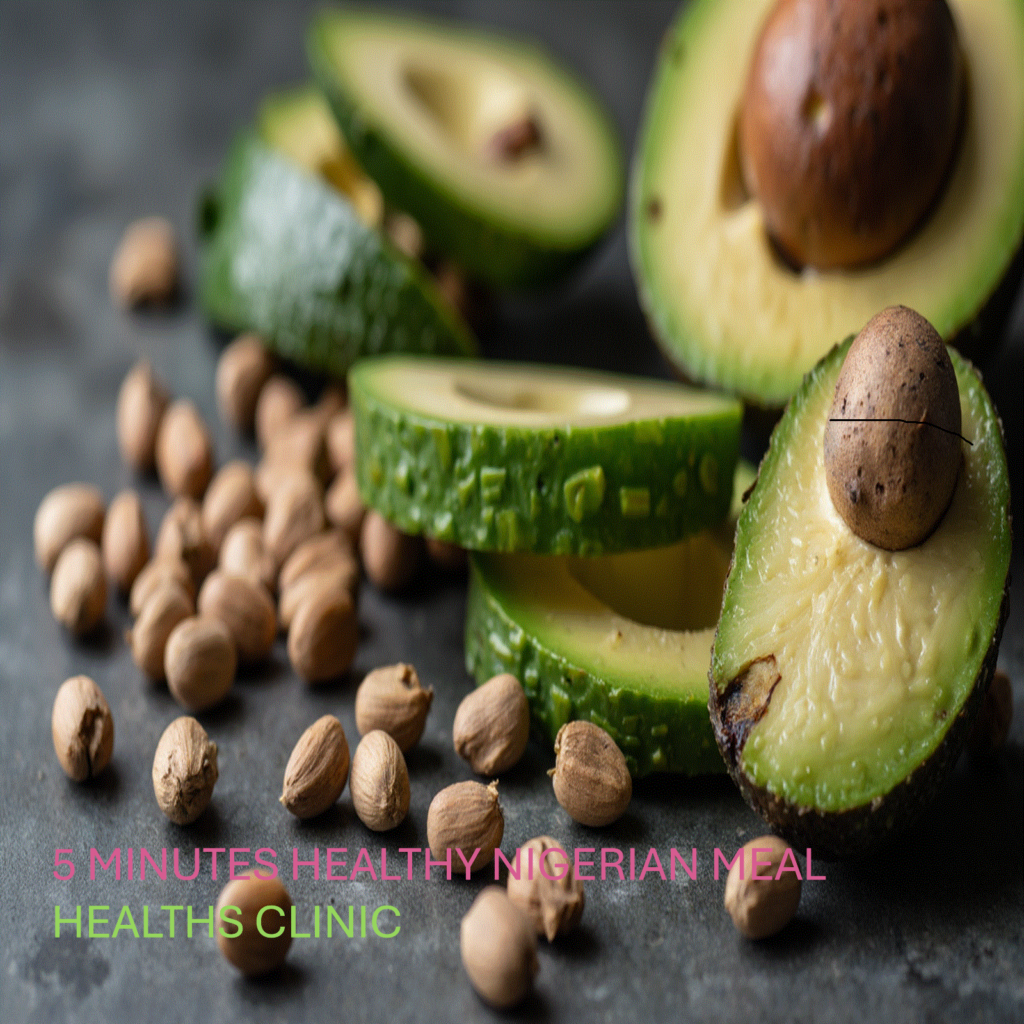
Excess sodium intake is a major contributor to hypertension, especially in Nigeria, where processed foods and seasoning cubes are widely used. DASH recommends limiting sodium while increasing potassium-rich foods such as fruits, vegetables, beans, and tubers, which help regulate blood pressure.
The Nigerian Heart Foundation emphasizes salt reduction as a key public health strategy.
Dietary Fiber
Both diets are naturally high in fiber, which supports digestion, blood sugar control, cholesterol reduction, and satiety.
Healthy Fats
Healthy fats from nuts, seeds, plant oils, and fish support heart health while replacing saturated fats from fatty meats.
Protein Sources
Protein can come from beans, lentils, groundnuts, soy products, fish, poultry, eggs, and small portions of lean meat in flexitarian plans.
DASH and Flexitarian Meal Plan for Nigeria (1 Week)
Guiding Principles for Nigerian Meals
• Use familiar local foods
• Reduce salt, seasoning cubes, and excess palm oil
• Increase vegetables, legumes, and whole grains
• Choose grilling, boiling, and steaming over frying
Sample 7-Day Nigerian Meal Plan
Day 1
Breakfast: Oats cooked with low-fat milk, banana, and groundnuts
Lunch: Beans and brown rice with vegetable stew
Dinner: Boiled yam with tomato and spinach sauce
Day 2
Breakfast: Pap with low-fat milk and pawpaw
Lunch: Ofada rice with vegetable sauce and grilled fish
Dinner: Stir-fried vegetables with tofu or eggs
Day 3
Breakfast: Whole wheat bread with avocado
Lunch: Beans porridge with ugu leaves
Dinner: Millet swallow with okra soup
Day 4
Breakfast: Smoothie with fruits and low-fat yogurt
Lunch: Boiled plantain with vegetable sauce
Dinner: Brown rice with lentil stew
Day 5
Breakfast: Oatmeal with dates
Lunch: Yam porridge with vegetables
Dinner: Vegetable stir-fry with grilled chicken (flexitarian option)
Day 6
Breakfast: Fruits and nuts
Lunch: Rice and beans with salad
Dinner: Sweet potatoes with garden egg sauce
Day 7
Breakfast: Pap with soy milk
Lunch: Vegetable jollof rice
Dinner: Light vegetable soup with whole grains
Snacks include fruits, roasted groundnuts, coconut slices, and low-fat yogurt.
DASH and Flexitarian Meal Plan for Africa (1 Week)
African Food Adaptation
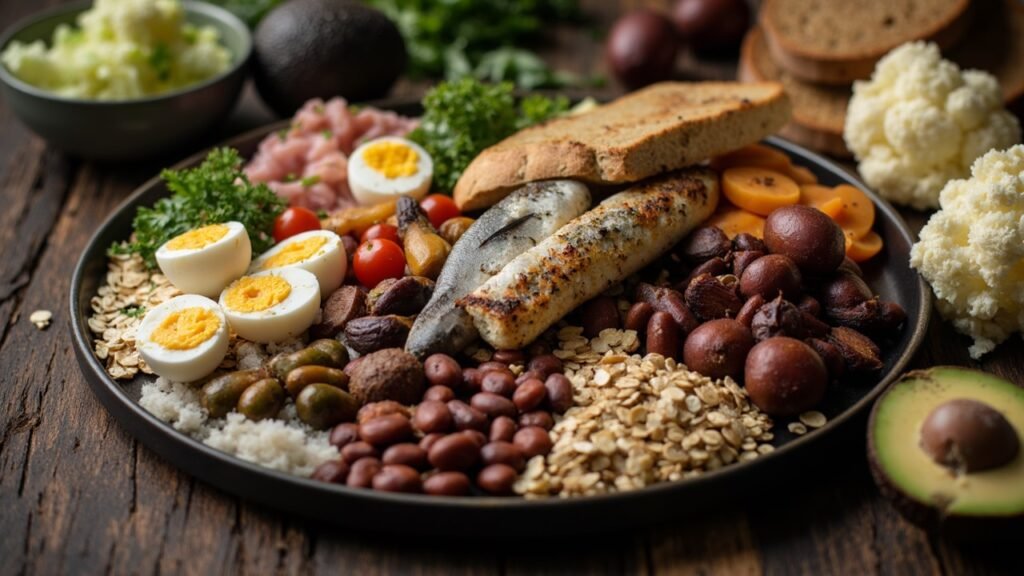
Across Africa, traditional diets already align well with DASH and flexitarian principles due to reliance on grains, legumes, and vegetables.
Staples include millet, sorghum, maize, teff, beans, lentils, leafy greens, and seasonal fruits.
Sample African Meal Plan
Breakfasts: Millet porridge with peanuts, fruit
Lunches: Lentil or bean stew with whole grains
Dinners: Vegetable-based soups with small portions of fish or poultry
Snacks: Fresh fruits, roasted seeds
The Food and Agriculture Organization promotes increased legume and vegetable intake for improved nutrition across Africa.
DASH and Flexitarian Meal Plan for Global Audience (1 Week)
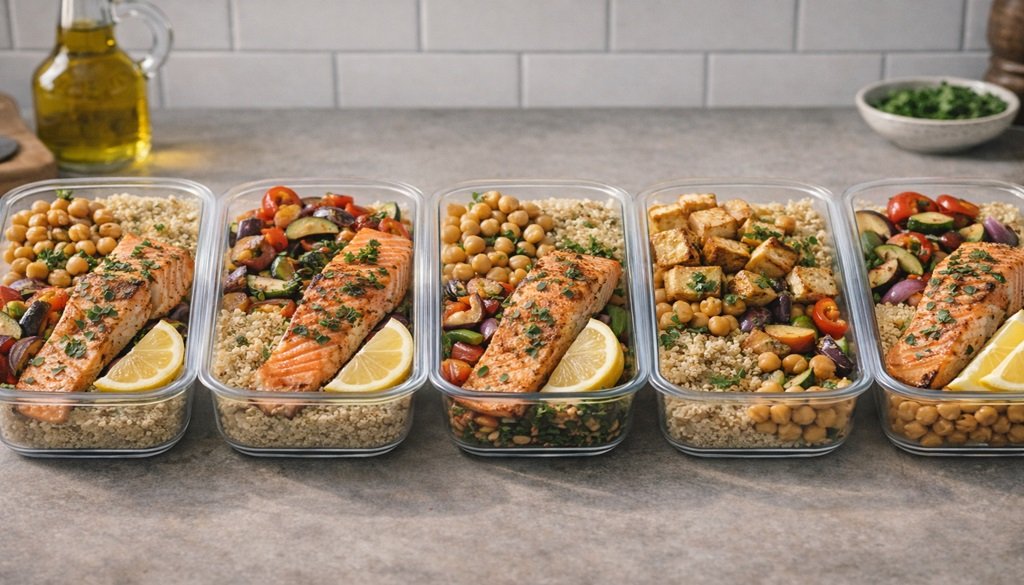
This 7-day DASH and flexitarian meal plan uses foods widely available in supermarkets worldwide. It supports heart health, blood pressure control, balanced nutrition, and busy lifestyles through simple cooking and easy meal prep.
Day 1
Breakfast: Oatmeal cooked with low-fat milk, topped with berries and chia seeds
Lunch: Quinoa bowl with chickpeas, cucumber, tomato, spinach, and olive oil–lemon dressing
Dinner: Baked salmon with steamed broccoli and brown rice
Snack: Apple with a small handful of almonds
Day 2
Breakfast: Whole-grain toast with avocado and a boiled egg
Lunch: Lentil and vegetable soup with whole-grain bread
Dinner: Vegetable stir-fry with tofu and mixed peppers
Snack: Low-fat yogurt with sliced fruit
Day 3
Breakfast: Smoothie made with banana, spinach, oats, and low-fat yogurt
Lunch: Quinoa and black bean salad with corn, tomatoes, and herbs
Dinner: Grilled chicken breast with roasted sweet potatoes and green beans
Snack: Handful of walnuts and an orange
Day 4
Breakfast: Overnight oats with oats, low-fat milk, flaxseeds, and strawberries
Lunch: Chickpea and vegetable wrap in a whole-grain tortilla
Dinner: Vegetable curry made with tomatoes, onions, spinach, and spices, served with brown rice
Snack: Carrot sticks with hummus
Day 5
Breakfast: Whole-grain toast with peanut butter and banana slices
Lunch: Quinoa bowl with roasted vegetables and lentils
Dinner: Baked white fish with mixed vegetables and quinoa
Snack: Low-fat yogurt with berries
Day 6
Breakfast: Oatmeal with apple slices, cinnamon, and pumpkin seeds
Lunch: Mixed vegetable salad with chickpeas, olive oil, and lemon dressing
Dinner: Whole-wheat pasta with tomato-based vegetable sauce and mushrooms
Snack: Pear with a handful of mixed nuts
Day 7
Breakfast: Smoothie bowl with fruits, oats, and seeds
Lunch: Lentil stew with brown rice and steamed vegetables
Dinner: Grilled vegetables with a small portion of grilled fish or tofu
Snack: Fresh fruit and a small serving of yogurt
This global DASH and flexitarian meal plan emphasizes low sodium, high fiber, lean protein, and healthy fats. Meals can be batch-cooked, stored, and reheated, making it practical for professionals, families, and individuals aiming for long-term healthy eating.
Practical Tips for Long-Term Success
• Plan meals weekly
• Shop with a list
• Read food labels for sodium content
• Cook more meals at home
• Use herbs and spices instead of salt
Common Challenges and How to Overcome Them
Salt cravings can be reduced gradually by cutting back over time. Cost concerns can be managed by buying seasonal produce and cooking in bulk. Cultural preferences can be respected by modifying traditional meals rather than abandoning them.
Frequently Asked Questions
Is the DASH diet suitable for Nigerians?
Yes. It aligns well with traditional Nigerian foods when salt and oil are controlled.
Can flexitarian eating help lower blood pressure?
Yes. Its plant-forward nature supports heart health and blood pressure control.
How much salt is recommended daily?
Most guidelines suggest less than 5 grams of salt per day.
Are these diets safe for older adults?
Yes, with appropriate calorie and protein adjustments.
Can these diets support weight loss?
Yes. Both emphasize nutrient-dense, filling foods that support healthy weight management.
Final Thoughts
DASH and flexitarian meal plans for better health offer realistic, science-backed solutions to modern health challenges. They respect culture, fit different budgets, and support long-term wellbeing. Whether in Nigeria, across Africa, or globally, these diets empower individuals to take control of their health through consistent, balanced food choices rather than extreme rules.
Medical Disclaimer
This article is for educational purposes only and does not substitute professional medical advice. Always consult a qualified healthcare provider or registered dietitian before making significant dietary changes, especially if you have medical conditions or special nutritional needs.
Related Reading
- Power-Packed Nigerian Superfoods for Better Health
- Intermittent Fasting Meal Plan for Beginners
- Best Foods for Glowing Skin and Natural Anti-Aging



Pingback: Keto Meal Plan: Simple Beginner Guide
Pingback: Intermittent Fasting Meal Plan for Beginners