
On many evenings in Nigerian homes, a familiar scene unfolds. The television hums quietly, a pot simmers on the stove, and a parent reminds a child: “Eat your fruits.” “Stop drinking soda.” “Go and sleep early.” Yet many parents quickly realize something important: children often resist health lectures. But when those same lessons are told through stories, something changes.
Children listen, they imagine, and they remember. That is why Top 7 Health Lessons Kids Learn Better Through Stories is an important conversation for parents, teachers, and caregivers.
In Nigerian culture, storytelling has always been a powerful way to pass down wisdom. From moonlight tales told by grandparents in village courtyards to bedtime stories in city apartments, stories help children understand the world. When it comes to raising healthy children, the Top 7 Health Lessons Kids Learn Better Through Stories can shape habits that last a lifetime.
This guide explores the Top 7 Health Lessons Kids Learn Better Through Stories, why storytelling works so well for children, and how Nigerian families can use stories to encourage healthy habits at home.
Why the Top 7 Health Lessons Kids Learn Better Through Stories Matter
Children naturally connect with stories more than instructions. When a child hears a story, their imagination activates. They visualize the characters, feel their emotions, and internalize the lesson.
Research from the Harvard Center on the Developing Child shows that storytelling and conversation help build brain architecture and strengthen learning during childhood.
Similarly, the American Academy of Pediatrics explains that reading and storytelling support language development and emotional bonding between parents and children.
This is why the Top 7 Health Lessons Kids Learn Better Through Stories stay longer in a child’s memory than instructions alone.
Instead of hearing:
“Eat vegetables.”
A child hears:
“Once upon a time, Ada discovered the rainbow fruits that gave her strength.”
The lesson becomes a story they remember, not a command they resist.

Health Lesson 1: Healthy Eating—One of the Top 7 Health Lessons Kids Learn Better Through Stories
Healthy eating is one of the most powerful lessons in the Top 7 Health Lessons Kids Learn Better Through Stories.
In many Nigerian homes today, children are surrounded by:
- sugary drinks
- processed snacks
- fast food options
Parents often struggle to encourage fruits and vegetables. But when healthy eating appears in stories, children see it differently. For example, a story about a child discovering magical fruits can teach that:
- red fruits help the heart
- yellow fruits support vision
- green foods strengthen the body
The World Health Organization (WHO) recommends at least 400 grams of fruits and vegetables daily to help prevent chronic diseases. The Nutrition Society of Nigeria also emphasizes early nutrition education for children. Through storytelling, healthy food becomes part of an adventure instead of a rule.
Kindly read: Ada & The Rainbow Fruits of Health Storybook Series
Health Lesson 2: Exercise—A Key Part of the Top 7 Health Lessons Kids Learn Better Through Stories
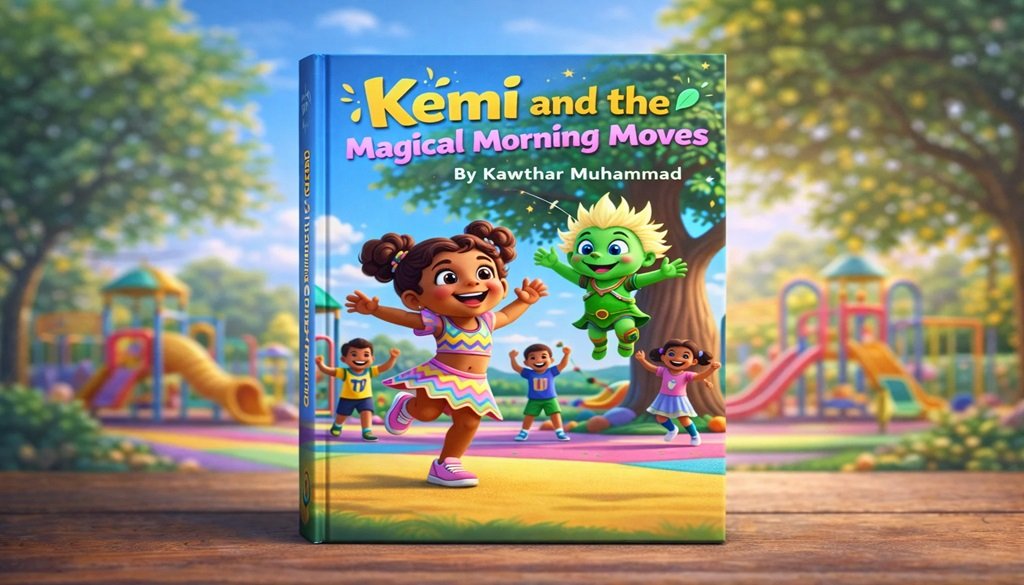
Another important lesson within the Top 7 Health Lessons Kids Learn Better Through Stories is physical activity. Across Nigeria and around the world, children are becoming more sedentary. Many spend long hours on phones, tablets, and television. According to the Centers for Disease Control and Prevention (CDC), children should engage in at least 60 minutes of physical activity daily.
Stories can transform exercise into an exciting journey.
Kindly read: Kemi & The Magical Morning Moves Storybook.
A character might:
- run through fields
- jump across rivers
- climb trees
- dance under the moonlight
Suddenly, exercise becomes fun and imaginative. The Nigeria Heart Foundation has warned that childhood inactivity increases long-term cardiovascular risk. Teaching this through stories helps children see movement as joyful play instead of forced exercise.
Health Lesson 3: Sleep Habits — One of the Top 7 Health Lessons Kids Learn Better Through Stories
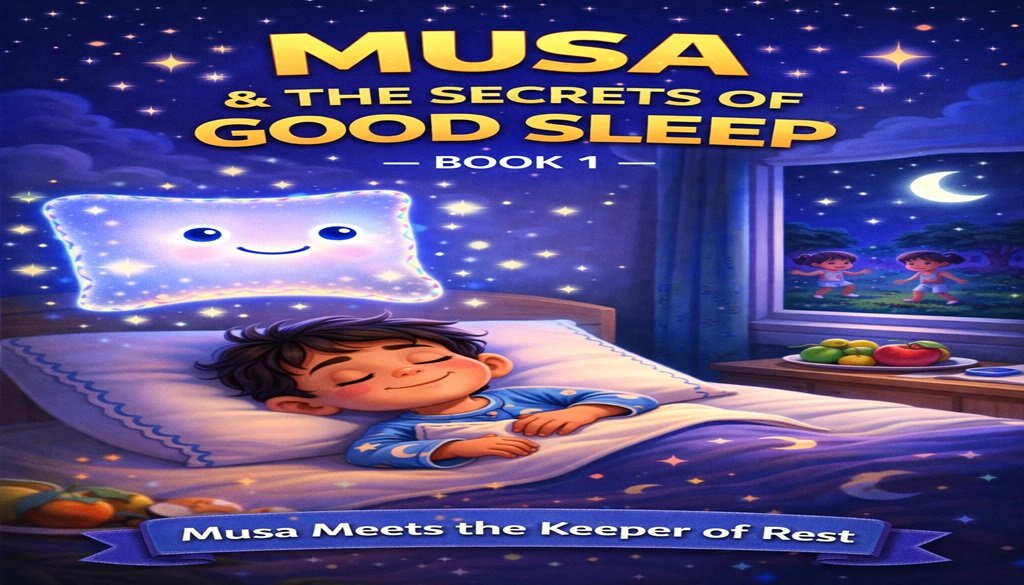
Sleep is another powerful lesson among the Top 7 Health Lessons Kids Learn Better Through Stories. Many Nigerian children sleep late due to:
- television
- mobile phones
- irregular routines
The Mayo Clinic explains that healthy sleep improves:
- brain development
- emotional balance
- learning ability
Instead of telling children to “sleep early,” stories can illustrate the impact of rest. For example, a story might show a child who becomes tired and confused without enough sleep, but energetic and focused after proper rest.
Kindly read: Musa & The Secrets of Good Sleep Storybook Series
The Nigerian Paediatric Association recommends consistent bedtime routines for children. Bedtime stories themselves often become part of that routine.
Health Lesson 4: Emotional Strength—Another Insight from the Top 7 Health Lessons Kids Learn Better Through Stories
Emotional resilience is another critical theme within the Top 7 Health Lessons Kids Learn Better Through Stories. Children today face many emotional challenges:
- school pressure
- bullying
- comparison with peers
- fear of failure
Stories provide a safe space to explore emotions. A character who struggles and tries again teaches perseverance. The African Mental Health Foundation notes that storytelling helps children develop emotional coping skills. When children see characters overcome challenges, they learn they can do the same.
Kindly read: Nia & The Drum of Dawn Storybook Series
Health Lesson 5: Sugar Awareness—An Important Part of the Top 7 Health Lessons Kids Learn Better Through Stories
Sugar consumption is rising among children in Nigeria. Sugary drinks and snacks are widely available and heavily marketed. The American Heart Association recommends limiting added sugars in children’s diets to protect long-term health. Stories can illustrate this lesson powerfully.
For example, a story about a “Sugar Monster” that grows stronger whenever a child drinks soda helps children visualize the consequences. Through stories, children learn:
- why too much sugar causes fatigue
- why fruits are better snacks
- how daily choices affect health
This makes sugar awareness one of the most memorable lessons in the Top 7 Health Lessons Kids Learn Better Through Stories.
Kindly read: Tunde & The Sugar Monster Storybook Series
Health Lesson 6: Hygiene—A Core Part of the Top 7 Health Lessons Kids Learn Better Through Stories
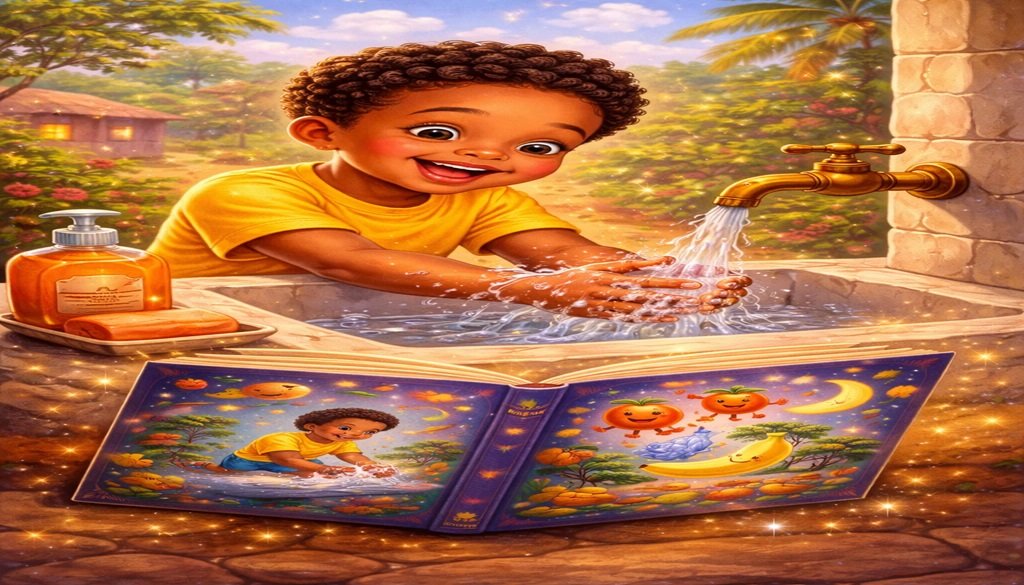
Hygiene education is another important element in the Top 7 Health Lessons Kids Learn Better Through Stories. Public health campaigns across Nigeria often use storytelling to teach hygiene.
The Nigeria Centre for Disease Control (NCDC) promotes handwashing as a key tool for infection prevention. The World Health Organization also highlights hand hygiene as one of the most effective ways to prevent disease spread. Stories about children defeating invisible germs help reinforce these habits.
Kindly read: Bola and The Invisible Germ Gang Storybook
Health Lesson 7: Perseverance — The Final Insight in the Top 7 Health Lessons Kids Learn Better Through Stories
The final lesson within the Top 7 Health Lessons Kids Learn Better Through Stories involves perseverance and mindset. Children who learn persistence early often develop stronger confidence and mental health. Research from Stanford University’s Growth Mindset studies shows that children who believe effort leads to improvement perform better academically and emotionally. Stories about characters achieving goals step by step teach children that:
- success takes patience
- mistakes are part of growth
- effort leads to progress
These lessons shape lifelong behavior.
Practical Tools to Reinforce the Top 7 Health Lessons Kids Learn Better Through Stories
Parents who want to apply the Top 7 Health Lessons Kids Learn Better Through Stories can use simple tools to reinforce healthy habits.
At HealthsClinic.com, we provide resources designed to help families build these habits together, including:
- children’s health tales storybooks & trackers
- daily habit checklists
- sleep routine planners
- sugar awareness guides
- healthy lifestyle charts
These tools help translate the Top 7 Health Lessons Kids Learn Better Through Stories into real daily habits. Small actions practiced consistently can shape a child’s future health.
Frequently Asked Questions About the Top 7 Health Lessons Kids Learn Better Through Stories
Why do children remember health lessons better through stories?
Stories engage imagination and emotion. This makes the Top 7 Health Lessons Kids Learn Better Through Stories easier for children to remember.
What age should children start learning health lessons through stories?
Children can begin learning the Top 7 Health Lessons Kids Learn Better Through Stories as early as two years old through simple picture stories.
Can storytelling improve children’s eating habits?
Yes. Stories that include healthy foods and positive characters can encourage better food choices.
Do bedtime stories improve sleep?
Yes. Bedtime stories help create routines that encourage relaxation and healthy sleep.
How can parents apply the Top 7 Health Lessons Kids Learn Better Through Stories at home?
Parents can read health-focused storybooks, discuss the characters’ choices, and connect those lessons to everyday habits.
Final Thoughts: Why the Top 7 Health Lessons Kids Learn Better Through Stories Can Shape a Child’s Future
Raising healthy children does not require perfect parenting. It requires connection, patience, and guidance. For generations, storytelling has helped Nigerian families teach wisdom, resilience, and responsibility. Today, the same approach can teach children important health habits. When children experience the Top 7 Health Lessons Kids Learn Better Through Stories, they do more than listen.
They imagine.
They relate.
They remember.
And over time, those lessons become part of their daily lives. Healthy habits learned in childhood often become the foundation for lifelong wellbeing. Sometimes, a single story today can shape a healthier future tomorrow. Visit: healthsclinic.com/shop, and get exciting storybooks for children.
Medical Disclaimer
This article is for educational purposes only and does not replace professional medical advice, diagnosis, or treatment. Always consult a qualified healthcare professional regarding health concerns involving your child.
Related Reading