
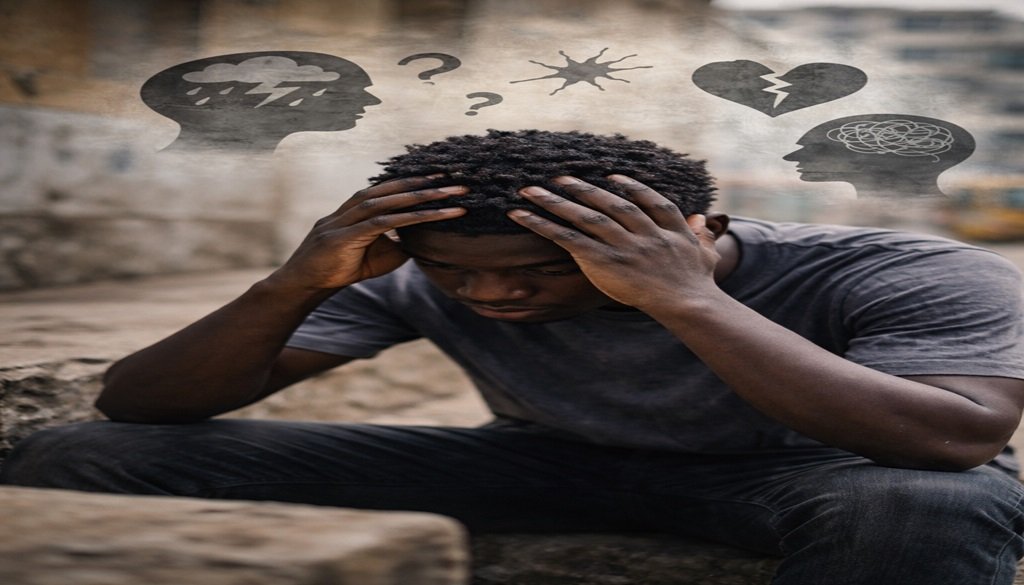
In many Nigerian homes, emotional struggles are often kept quiet. People are encouraged to “be strong,” pray harder, or push through stress without complaint. Sleepless nights, constant worry, low mood, or emotional exhaustion are explained away as normal life pressures, even when they begin to affect work, relationships, and physical health.
Yet mental health in Nigeria is a vital part of overall wellbeing, and millions of Nigerians experience mental and emotional challenges at different stages of life. Anxiety, depression, stress-related conditions, and other mental health issues cut across age, gender, and social class. Despite this, stigma, cultural misconceptions, fear of judgment, and limited access to mental health services often prevent people from seeking help early.
From everyday clinical and community experience, delayed support often worsens suffering, while early understanding and care can significantly improve quality of life. Mental health challenges are not signs of weakness, spiritual failure, or personal inadequacy—they are health conditions that deserve the same attention as physical illness.
This article explores mental health in Nigeria, common mental health issues, contributing factors, practical coping strategies, and when to seek professional help. The goal is to offer clear, compassionate, and non-judgmental information that supports awareness, understanding, and healthier ways of caring for the mind.
Understanding Mental Health in Nigeria
Mental health refers to a person’s emotional, psychological, and social wellbeing. It affects how people think, feel, act, handle stress, relate to others, and make decisions. Mental health is not simply the absence of mental illness; it includes the ability to cope with life’s challenges, work productively, and maintain healthy relationships.
In Nigeria, mental health is often viewed separately from physical health, yet the two are closely connected. Emotional distress can worsen physical illness, while chronic physical conditions can affect mental wellbeing. Recognizing mental health as part of overall health is a crucial step toward improving outcomes.
Mental health challenges exist on a spectrum. Some people experience short-term emotional distress related to life events, while others live with longer-term mental health conditions that require professional care and support.
Why Mental Health Challenges Are Rising in Nigeria
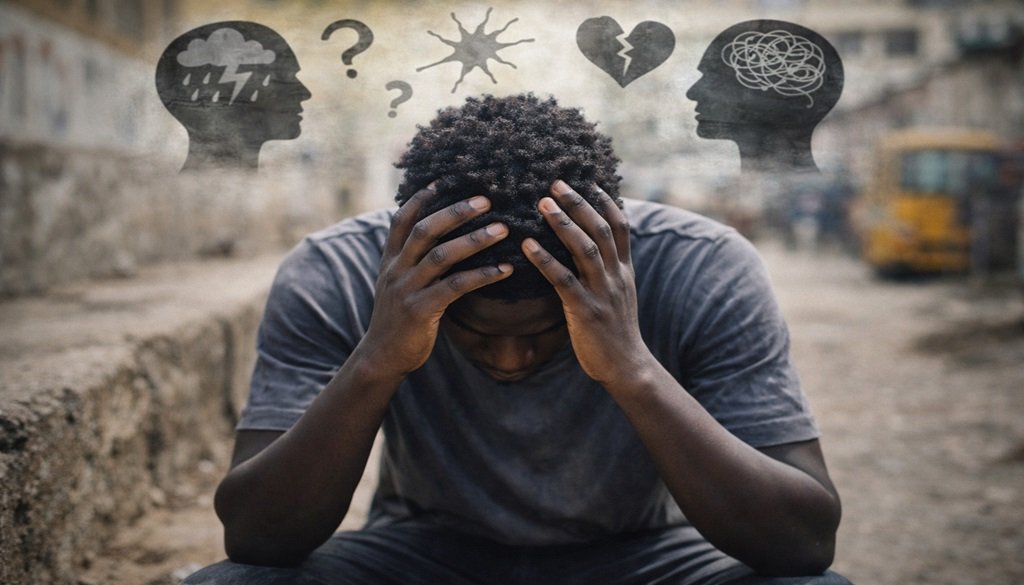
Mental health challenges are becoming more visible in Nigeria due to social, economic, and lifestyle changes.
Economic and Social Pressures
Financial instability, unemployment, underemployment, and rising living costs place significant emotional strain on individuals and families. Many Nigerians shoulder responsibilities such as supporting extended family members, caring for children, or managing multiple jobs, all of which increase stress levels.
Persistent financial stress often leads to anxiety, sleep problems, irritability, and feelings of hopelessness. Over time, unmanaged stress can contribute to more serious mental health conditions.
Urbanization and Lifestyle Changes
Rapid urbanization has transformed daily life for many Nigerians. Long commutes, traffic congestion, crowded living environments, and reduced opportunities for rest and recreation affect mental wellbeing.
Digital technology and constant connectivity also contribute to mental fatigue. Excessive screen time, social media pressure, and reduced face-to-face interactions can increase feelings of isolation and comparison.
Stigma and Cultural Beliefs
Stigma remains one of the greatest barriers to mental health care in Nigeria. Mental illness is often misunderstood and associated with weakness, spiritual causes, or moral failure. These beliefs discourage open discussion and delay help-seeking.
The World Health Organization identifies stigma as a major obstacle to mental health care globally
Fear of discrimination causes many people to hide symptoms, rely solely on informal coping mechanisms, or avoid professional care entirely.
Common Mental Health Issues in Nigeria
Mental health conditions are common and affect people of all ages, genders, and backgrounds. Many are treatable with proper support.

Stress and Burnout
Stress is one of the most widespread mental health challenges in Nigeria. While short-term stress can motivate action, chronic stress harms mental and physical health.
Common sources of stress include:
- Financial pressure
- Work demands
- Family responsibilities
- Academic pressure
- Health concerns
Burnout occurs when prolonged stress leads to emotional exhaustion, reduced motivation, and feelings of detachment. Burnout often affects working adults, students, caregivers, and healthcare workers.
Signs of chronic stress and burnout may include constant fatigue, irritability, headaches, poor concentration, and loss of interest in activities once enjoyed.
Anxiety Disorders
Anxiety involves persistent worry, fear, or unease that interferes with daily life. Occasional anxiety is normal, but anxiety disorders involve excessive and ongoing symptoms.
Common symptoms include:
- Constant worrying
- Restlessness
- Rapid heartbeat
- Difficulty sleeping
- Muscle tension
In Nigeria, anxiety may be triggered by uncertainty, financial instability, health concerns, or traumatic experiences. Anxiety often goes unrecognized because symptoms are attributed to stress or physical illness.
Depression
Depression is more than sadness. It is a medical condition that affects mood, thinking, and daily functioning over an extended period.
Common signs of depression include:
- Persistent low mood
- Loss of interest or pleasure
- Changes in appetite or sleep
- Fatigue
- Feelings of worthlessness or guilt
- Difficulty concentrating
Depression is often misunderstood in Nigeria and may be dismissed as laziness or weakness. This misunderstanding delays diagnosis and treatment.
Sleep Problems and Mental Health
Sleep and mental health are closely linked. Poor sleep can worsen mental health, while mental health conditions often disrupt sleep.
Common sleep issues include insomnia, frequent waking, and difficulty falling asleep. Stress, anxiety, and depression frequently contribute to sleep problems.
Chronic sleep deprivation affects mood, memory, immune function, and overall quality of life.
How Mental Health Affects Daily Life

Mental health influences every aspect of daily functioning. When mental wellbeing declines, people may struggle at work, in relationships, and in managing responsibilities.
Poor mental health can lead to:
- Reduced productivity
- Difficulty maintaining relationships
- Poor decision-making
- Increased risk of physical illness
Emotional distress often affects physical health through changes in appetite, sleep, immune response, and cardiovascular health.
Coping Strategies for Better Mental Wellbeing
Improving mental wellbeing involves a combination of self-care, social support, and professional help when needed.
Healthy Lifestyle Habits
Lifestyle choices strongly influence mental health. Regular physical activity improves mood by releasing endorphins and reducing stress hormones. Balanced nutrition supports brain function and energy levels.
Adequate sleep allows the brain to recover and regulate emotions. Maintaining a consistent sleep routine improves both mental and physical health.
Stress Management Techniques

Managing stress helps prevent emotional overload. Useful strategies include:
- Deep breathing and relaxation exercises
- Time management and prioritization
- Taking regular breaks
- Limiting exposure to overwhelming news or social media
Small, consistent stress-management practices can significantly improve wellbeing over time.
Social Support and Community
Strong social connections protect mental health. Support from family, friends, faith groups, and community organizations provides emotional reassurance and reduces isolation.
Open conversations about feelings help normalize mental health challenges and encourage early support.
When to Seek Professional Help for Mental Health
Professional help is important when mental health symptoms persist, worsen, or interfere with daily life.
Signs that professional support may be needed include:
- Persistent sadness or anxiety
- Difficulty functioning at work or school
- Withdrawal from social activities
- Thoughts of self-harm or hopelessness
- Sudden changes in behavior
Seeking help early improves outcomes and prevents complications.
Mental Health Care and Support in Nigeria
Mental health care in Nigeria includes psychiatrists, psychologists, counselors, and trained mental health professionals. Services are available in teaching hospitals, general hospitals, private clinics, and some community health centers.
The Federal Ministry of Health Nigeria recognizes mental health as a public health priority and supports mental health policy and service development
Access remains limited in some areas, but awareness and advocacy are gradually improving availability.
Common Myths About Mental Health in Nigeria
Misinformation contributes to stigma and delayed care.
- Mental illness is a sign of weakness.
Mental health conditions are medical issues, not personal failures. - Prayer alone can cure mental illness.
Spiritual support can be helpful, but medical and psychological care are often necessary. - Only severe cases need help.
Early support benefits people at all stages of mental distress.
Replacing myths with facts promotes understanding and compassion.
Frequently Asked Questions
What is mental health?
Mental health refers to emotional, psychological, and social wellbeing that affects how people cope with life and relate to others.
Are mental health problems common in Nigeria?
Yes. Many Nigerians experience mental health challenges, though many cases go unreported due to stigma.
Can stress affect mental health?
Chronic stress significantly increases the risk of anxiety, depression, and burnout.
When should someone seek mental health help?
Help should be sought when symptoms persist, worsen, or interfere with daily functioning.
Can mental health conditions be treated?
Yes. Many mental health conditions improve with appropriate care, support, and treatment.
Final Thoughts
Mental health in Nigeria deserves the same attention and care as physical health. Emotional wellbeing affects how people live, work, and relate to others. While challenges such as stigma and limited access remain, awareness, education, and early support can make a meaningful difference.
Seeking help for mental health concerns is a sign of strength and self-awareness. With proper support, individuals can improve their mental wellbeing and lead fulfilling lives.
This article is for educational purposes only and does not replace professional medical advice.
Related Reading
- Improve Sleep Naturally: Beat Insomnia Without Pills
- Benefits of Good Sleep for Mental Health
- 10 Afro Burnout Reset Ideas in Nigeria