
Common women’s health disorders in Nigeria affect reproductive, mental, and physical well-being across all age groups. Women’s health plays a critical role in family stability, economic productivity, and national development, and common women’s health disorders in Nigeria continue to affect millions of women daily, yet many remain undiagnosed or poorly managed. Because women often prioritize family needs over personal health, and because access to quality healthcare remains uneven, these conditions frequently progress silently until complications arise.
Across Nigeria and much of Africa, women face a complex mix of reproductive, hormonal, metabolic, mental, and non-communicable health disorders, and while these conditions also affect women globally, local factors such as poverty, cultural norms, weak health systems, and limited preventive care increase severity and mortality. Therefore, understanding these disorders, recognizing early symptoms, and knowing when to seek specialist care can significantly reduce avoidable suffering and death.
This comprehensive guide explains the most common women’s health disorders in Nigeria, including fibroids, PCOS, hormonal imbalance, cervical cancer, maternal complications, mental health conditions, and chronic diseases, while also highlighting symptoms, complications, expert insights, and evidence-based solutions relevant to Nigeria, Africa, and the global community.
Overview of Common Women’s Health Disorders in Nigeria
Common women’s health disorders in Nigeria span multiple body systems, and they often overlap because reproductive, hormonal, metabolic, and mental health are deeply interconnected. While infectious diseases still exist, non-communicable and lifestyle-related disorders now account for a growing proportion of illness among Nigerian women, and this trend mirrors global patterns.
Key contributors include limited access to preventive healthcare, late presentation due to cost and stigma, cultural misconceptions about women’s health, and inadequate specialist services in rural areas.
1. Maternal Health Disorders and Pregnancy-Related Complications
Maternal health disorders remain one of the most serious women’s health challenges in Nigeria, and pregnancy-related complications continue to claim thousands of lives yearly. According to the World Health Organization (WHO), Nigeria contributes nearly one-fifth or 20% of all global maternal deaths, which reflects profound systemic challenges such as limited healthcare access, inadequate infrastructure, weak referral systems, and chronic underfunding of health services. Global Citizen+1
According to maternal health advocates and obstetric experts, the major factors driving maternal deaths include:
- Insufficient skilled birth attendance: Many births, especially in rural areas, occur without trained personnel or emergency care available.
- High cost and limited access: Women, particularly those in underserved regions, may delay or avoid care because of cost, distance, and transport barriers.
- Health system weaknesses: Facilities often lack essential equipment, blood supply, emergency obstetric care, and reliable power and water, increasing risk for women during and after delivery.
To reduce maternal mortality, the World Health Organization (WHO) and Nigerian health authorities emphasize access to antenatal care, skilled birth attendance, quality emergency obstetric care, and postpartum support, which includes family planning and nutrition services. Strengthening community health systems and expanding investments in women’s health are critical, and public awareness campaigns can encourage early care seeking when complications arise.
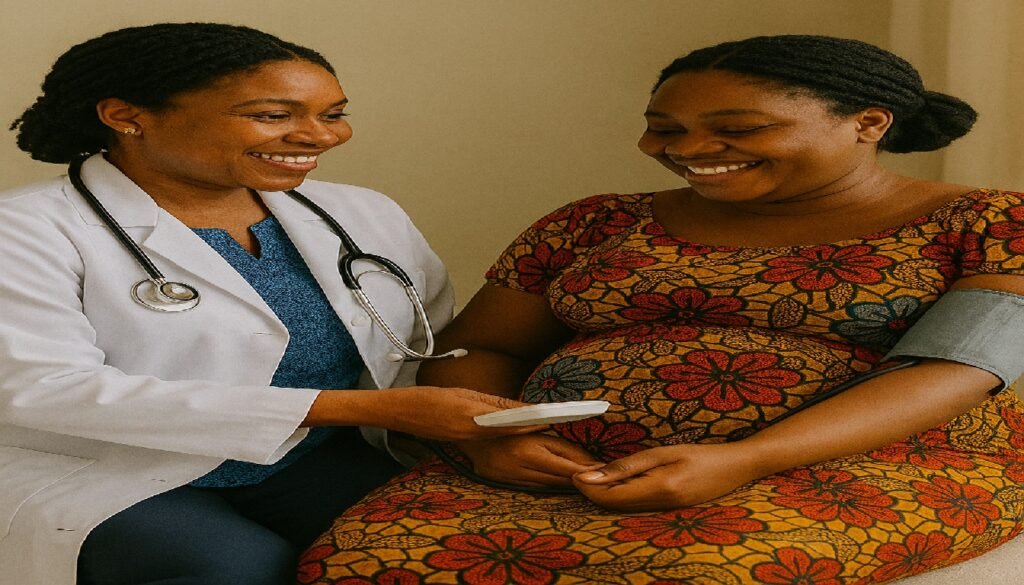
Common Maternal Health Disorders
- Severe bleeding (Miscarraiges, Ante-partum & post-partum haemorrhages)
- Pregnancy-induced hypertension and pre-eclampsia
- Obstructed or prolonged labour
- Infections during pregnancy or after delivery
- Anemia in Pregnancy
2. Reproductive Health Disorders
Cervical Cancer: A Vaccine-Preventable Disease with High Mortality
Cervical cancer arises when the cells of the cervix (the lower part of the uterus) begin to grow uncontrollably, and almost all cases are caused by persistent infection with the Human Papillomavirus (HPV), a sexually transmitted virus. According to experts, cervical cancer remains one of the top cancer killers of women worldwide, and limited access to screening and HPV vaccination disproportionately affects women in low- and middle-income countries, including Nigeria. Healthwise
Globally, cervical cancer caused about 350,000 deaths in 2022 and is one of the most preventable cancers through vaccination and regular screening. Since Nigerian women often face financial barriers, cultural misconceptions, and low awareness of HPV and Pap smear testing, many cases are diagnosed at late stages, leading to severe outcomes. Healthwise
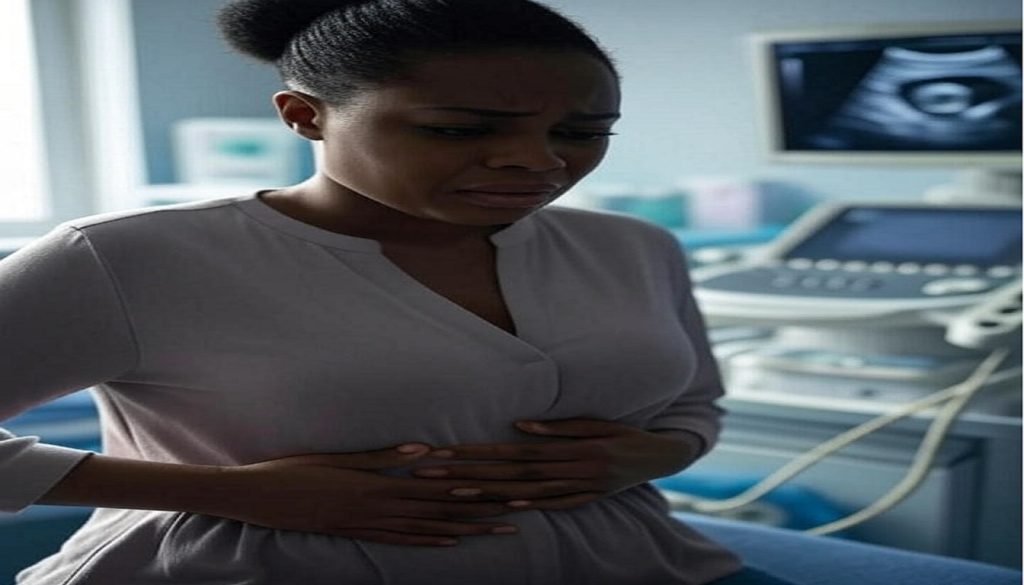
Prevention and response strategies include:
- HPV vaccination: Protects girls and boys from the high-risk strains of HPV that cause cervical cancer, and investment in vaccine programs saves lives and reduces burden.
- Regular screening: Introducing affordable and accessible cervical screening (e.g., visual inspection with acetic acid, HPV DNA testing) in primary care settings leads to early detection and treatment.
- Community education: Advocates and public health professionals emphasize that women and families must understand the importance of early screening, safe sexual practices, and timely follow-up care.
Common Women’s Health Disorders in Nigeria: Uterine Fibroids
Uterine fibroids — benign muscle tissue growths in the uterus — affect a large percentage of women of reproductive age, particularly women of African descent. Research shows that Black women are up to three times more likely to develop fibroids than women of other ethnic groups, and women often experience heavy menstrual bleeding, pelvic pain, menstrual irregularities, and fertility challenges as a result. Asele
Local studies and anecdotal reports from Nigerian women indicate that many women live with fibroids for years without diagnosis due to poor access to ultrasound, cultural stigmas, and lack of routine gynecological care. Because fibroids can contribute to anemia and reproductive health issues, experts recommend that women seek evaluation if they experience persistent pelvic pain, heavy bleeding, or reproductive difficulties.
Breast Disorders
Breast cancer is now the most commonly diagnosed cancer among women globally, and Nigerian women often present at advanced stages. Lumps, nipple discharge, or breast pain should never be ignored, and early detection through self-examination and clinical screening improves survival significantly.
Polycystic Ovary Syndrome (PCOS)
PCOS is increasingly recognized as one of the most underdiagnosed women’s health disorders in Nigeria, and it affects hormonal balance, fertility, metabolism, and mental well-being. PCOS occurs when the ovaries produce excess androgens (male hormones), and it commonly presents with irregular or absent menstrual periods, difficulty getting pregnant, excess facial or body hair, acne, and weight gain. PCOS also increases the risk of type 2 diabetes, infertility, depression, and cardiovascular disease. Awareness remains low in Africa, so many women receive delayed or incorrect diagnoses.
Hormonal Imbalance in Women
Hormonal imbalance affects women across all age groups, and it often overlaps with PCOS, thyroid disorders, menopause, and stress-related conditions. Hormones regulate menstruation, metabolism, mood, sleep, and fertility, and when disrupted, symptoms can be wide-ranging. Common causes in Nigeria include chronic stress and poor sleep, nutritional deficiencies, thyroid disorders, and PCOS or menopause. Symptoms may include irregular periods, fatigue, mood swings, weight changes, and low libido, yet many women dismiss these signs as “normal,” which delays treatment. Read more about hormonal health on HealthsClinic.com.
Focus points for women and health systems include:
- Regular gynecological check-ups for early detection.
- Community awareness and support networks to destigmatize common reproductive health issues.
- Access to a range of treatment options — from medication to minimally invasive procedures, depending on severity and fertility desires.
3. Menstrual Health Disorders: Heavy Menstrual Bleeding and Related Conditions
Menstrual health affects women’s quality of life and productivity, yet conditions like Heavy Menstrual Bleeding (HMB) remain under-reported and under-diagnosed in many African settings. Research shows that up to 15% of women in Nigeria report symptoms consistent with HMB, which means women may bleed excessively during their periods, leading to fatigue, anemia, and disrupted daily activities. Lippincott Journals
Risk factors associated with HMB include:
- Anemia: Iron deficiency from nutritional gaps and parasitic infections.
- Reproductive health disorders: Such as fibroids, polyps, or hormonal imbalances.
- Chronic health conditions: Including hypertension and diabetes.
Since heavy bleeding can significantly impact women’s physical and mental well-being, health practitioners highlight that women should seek evaluation if they experience prolonged or heavy bleeding, severe cramps, or fatigue that interferes with work, schooling, or social life. Screening for anemia and underlying reproductive disorders contributes to earlier diagnosis and effective management.
4. Non-Communicable Diseases: Heart Disease, Diabetes, and Beyond
While infectious diseases have historically commanded much of the health agenda in sub-Saharan Africa, non-communicable diseases (NCDs) such as heart disease, cancer, diabetes, and chronic respiratory conditions account for an increasing share of mortality among women. Globally, about 1 in 4 deaths among adult women results from NCDs, and African women are especially vulnerable due to a combination of risk factors including tobacco use, unhealthy diets, physical inactivity, and limited access to preventive care. WHO | Regional Office for Africa

Common Women’s Health Disorders in Nigeria:
Women with diabetes face increased risk of complications during pregnancy, higher cardiovascular disease risk, and challenges related to metabolism and reproductive health. Poor access to screening and management facilities, compounded by cost barriers and low health literacy, means that many women are diagnosed late or manage diabetes poorly.
Experts advocate that women:
- Monitor blood glucose regularly if they have risk factors such as family history or obesity.
- Engage in lifestyle changes such as balanced diets and regular exercise.
- Access community screening services when available to diagnose early and start treatment promptly.
Cardiovascular Disease
Cardiovascular diseases remain a leading cause of mortality among women worldwide, even though many people think of them as “men’s diseases.” Women often experience different symptoms of heart attacks than men, and lack of awareness — as well as cultural norms that deprioritize women’s health — can delay diagnosis and treatment. WHO | Regional Office for Africa
Healthcare providers and public health campaigns stress that women should:
- Know their blood pressure and cholesterol levels.
- Avoid tobacco use and second-hand smoke exposure.
- Adopt heart-healthy diets rich in vegetables, fruits, and whole grains.
5. Sexual and Reproductive Health Concerns: HIV, STIs, and FGM
HIV/AIDS: A Continuing Public Health Priority
HIV/AIDS remains a significant reproductive health concern in Nigeria, and although prevalence rates have declined over time, women remain disproportionately affected due to biological susceptibility and gender inequities. Nigeria’s HIV prevalence among adults aged 15–49 is estimated at around 1.5%, and women face gender-related vulnerabilities that increase their risk of infection, including unequal power dynamics in relationships and limited access to prevention tools like condoms. Wikipedia
Sexually transmitted infections (STIs) other than HIV, such as syphilis, gonorrhea, chlamydia, and trichomoniasis, also contribute to reproductive morbidity and can affect pregnancy outcomes, yet most STI care is underfunded and underemphasized in primary care. Health Guide NG
Public health experts emphasize:
- Routine STI screening for sexually active women.
- Prevention education and access to condoms.
- Integration of HIV care with other women’s health services to improve access.
Female Genital Mutilation (FGM): A Harmful Traditional Practice
Female genital mutilation has no health benefit and remains prevalent in parts of Nigeria despite legal bans, and this practice contributes to severe short- and long-term health complications including infection, childbirth difficulties, psychological trauma, and loss of sexual function. Wikipedia
Nigeria has among the highest absolute numbers of women and girls affected by FGM, and although the practice is legally banned, advocacy and enforcement remain inconsistent, especially in rural communities where cultural norms prevail. Wikipedia
Healthcare leaders and rights advocates insist that:
- Community education and engagement can reduce the prevalence and demand for FGM.
- Legal protections must be enforced and supported with safe reporting mechanisms.
- Health professionals can provide compassionate care and counseling for survivors.
6. Mental Health: Silent but Prevalent Women’s Health Disorder in Nigeria

Mental health conditions such as depression, anxiety, postpartum depression, and stress-related disorders affect a substantial number of Nigerian women, yet stigma, cultural barriers, and scarce mental health services often keep these conditions in the shadows. Experts note that women who experience gender-based violence, economic stress, or traumatic life events have higher risk of mental health disorders. Naija Trends
According to the WHO, depression and anxiety are among the leading causes of disease burden for women globally, and untreated mental health conditions worsen physical health outcomes while reducing quality of life. WHO | Regional Office for Africa
Psychologists and mental health advocates recommend:
- Integrating mental health screening into routine health care.
- Training community health workers in basic mental health support.
- Combating stigma through public education and peer support networks.
7. Gender-Based Violence (GBV) and Its Health Consequences
Gender-based violence, including intimate partner violence, sexual assault, and emotional abuse, carries immediate and long-term physical and psychological impacts, and rates remain high in Nigeria and many parts of Africa. GBV exacerbates reproductive health issues, increases risk of depression and anxiety, and contributes to unsafe abortion and maternal mortality. Experts call for urgent policies, enforcement of protections, and accessible support services for survivors. The Guardian
Barriers to Care: Why Women Suffer More
Women in Nigeria face financial barriers, geographic isolation, patriarchal norms, and health system weaknesses that limit access to care. Studies show that many women experience at least one major obstacle when they seek healthcare, often out-of-pocket costs, long travel distances, and lack of decision-making power within families. Wikipedia
These barriers result in:
- Delayed or foregone care for preventable and treatable conditions.
- Higher rates of maternal mortality and reproductive health complications.
- Greater vulnerability to chronic diseases due to late diagnosis.
Although the health landscape for Nigerian women is challenging, evidence-based solutions can reduce burden and improve outcomes. Key strategies include:
Increase Access and Equity
- Expand primary healthcare and community outreach services that provide screening, preventive care, and education.
- Support mobile clinics and telehealth services to reach rural and underserved areas.
- Reduce out-of-pocket costs through insurance schemes and targeted subsidies.
Invest in Education and Awareness
- Promote health literacy campaigns that address reproductive health, mental health, cancer screening, and maternal care.
- Work with community leaders and women’s groups to destigmatize sensitive health topics like menstrual health and mental illness.
Strengthen Health Systems and Data
- Train more skilled birth attendants, gynecologists, and specialists across Nigeria.
- Improve health information systems to collect data on women’s health disorders and monitor trends for better planning.
Champion Policy and Advocacy
Prioritize women’s health in national budgets and development agendas, especially in the area of reproductive health disorders affecting Nigerian women.
Enforce existing laws against harmful practices like FGM and strengthen protections for survivors of GBV.
When to Seek Specialist Care
Women should seek specialist care when menstrual bleeding is excessive or prolonged, pregnancy complications arise, fertility challenges persist beyond one year, symptoms interfere with daily activities, or mental health symptoms last more than two weeks. Gynecologists, endocrinologists, mental health professionals, and primary care physicians all play vital roles in women’s health management.
Prevention and Lifestyle Strategies
Prevention remains the most cost-effective approach, and experts recommend regular health checkups, balanced nutrition and physical activity, stress management and adequate sleep, vaccinations and cancer screening, and health education and empowerment. Check out our Women’s Wellness Checklist for practical tips.
Frequently Asked Questions
What are the most common women’s health disorders in Nigeria?
Fibroids, PCOS, hormonal imbalance, cervical cancer, maternal complications, mental health disorders, and chronic diseases are among the most common.
Can PCOS be treated?
Yes. PCOS can be managed with lifestyle changes, medications, and hormonal therapy under medical supervision.
Is heavy menstrual bleeding normal?
No. Heavy or prolonged bleeding may indicate fibroids, hormonal imbalance, or anemia and should be evaluated.
How often should women screen for cervical cancer?
Screening intervals vary, but sexually active women should follow national or WHO-recommended screening schedules.
Final Thoughts
Common women’s health disorders in Nigeria represent both a public health challenge and an opportunity for meaningful impact. When women gain access to accurate information, preventive care, and timely treatment, outcomes improve not only for individuals but also for families and communities. Strengthening healthcare systems, promoting awareness, and prioritizing women’s health are essential steps toward sustainable development in Nigeria, Africa, and globally.
This article is for educational and informational purposes only and does not replace professional medical advice.
Related Reading
- Get Tested for STD—Top 10 Warning Signs to Know
- Vaccines in Nigeria: Protecting Our Children
- Best Period and Ovulation Tracker App for Android