
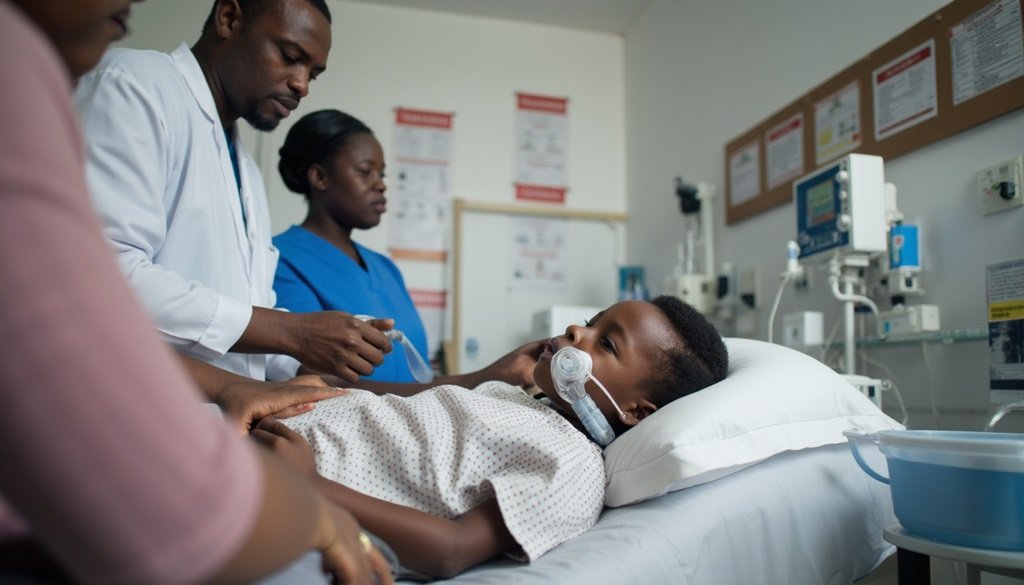
In many Nigerian homes, fever is often treated as something familiar. A child feels hot, an adult complains of body aches, and the first thought is usually malaria or typhoid. Sometimes medication is taken before any test is done, and life moves on—until the illness does not improve.
This is where the danger lies. Lassa fever, malaria, and typhoid can begin with similar symptoms such as fever, weakness, headache, and body pain, yet they are very different infections that require very different responses. When one is mistaken for another, care may be delayed, the wrong treatment given, and the risk of serious complications increased.
From repeated clinical patterns and public-health experience in Nigeria, early recognition and correct diagnosis are not just helpful—they can be lifesaving. Knowing when a “simple fever” needs urgent attention makes a real difference for individuals, families, and communities.
This guide helps you spot the differences between Lassa fever, malaria, and typhoid, understand key risk factors, and respond appropriately. It also covers treatment approaches, supportive care, and practical dietary guidance, with examples tailored for Nigeria and relevant beyond our borders—so you can act early and protect those who matter to you.
What Are Lassa Fever, Malaria, and Typhoid?
Lassa Fever
Lassa fever is an acute viral hemorrhagic illness caused by the Lassa virus, endemic in Nigeria and other West African countries. According to the Nigerian Center for Disease Control (NCDC), thousands of cases are reported annually, particularly during the dry season when rodent activity increases
Key points about Lassa fever:
- Transmitted via exposure to rodent urine or droppings, and sometimes human-to-human contact
- High-risk areas include rural communities and poorly stored food supplies
- Symptoms can escalate quickly, requiring prompt medical attention
Malaria
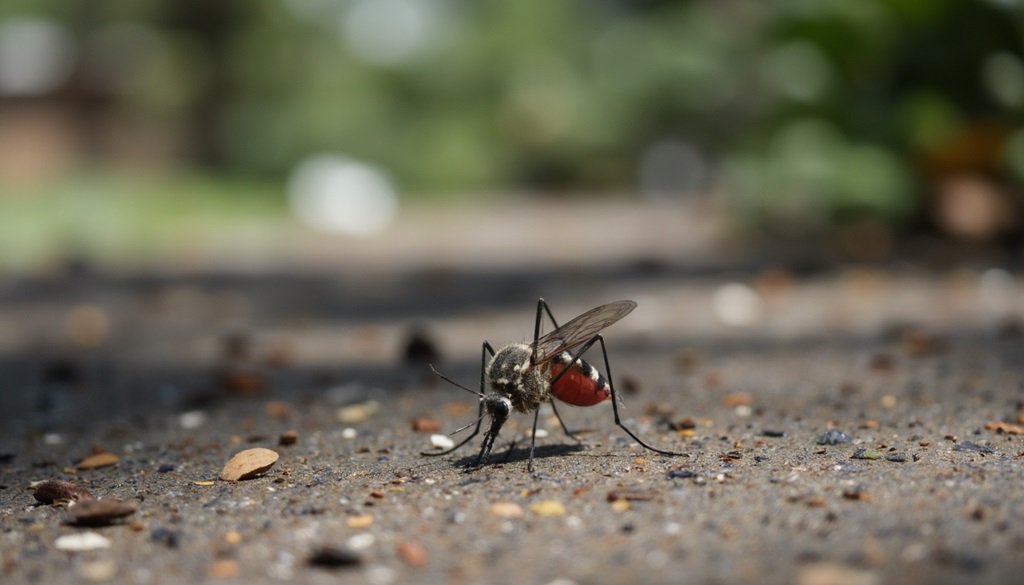
Malaria is a parasitic infection transmitted by Anopheles mosquitoes, predominantly caused by Plasmodium falciparum in Nigeria. Malaria remains one of the leading causes of hospitalization and death in children and adults in West Africa.
Key points about malaria:
- Symptoms range from mild fever to severe anemia and cerebral malaria
- Endemic in most parts of Nigeria and Africa
- Prevention includes mosquito nets, insect repellents, and environmental control. WHO
Typhoid Fever
Typhoid fever is caused by Salmonella Typhi bacteria and is spread through contaminated water, food, and poor sanitation practices. It is more common in urban and peri-urban areas where safe water is limited.
Key points about typhoid:
- Gradual onset of high fever
- Abdominal pain, constipation or diarrhea, and sometimes a characteristic rose-colored rash
- Early antibiotic treatment is essential to prevent complications. WHO
Key Differences in Symptoms
Although Lassa fever, malaria, and typhoid all present with fever, they have distinct features. Understanding these differences can guide when to seek urgent care.
Common Symptoms
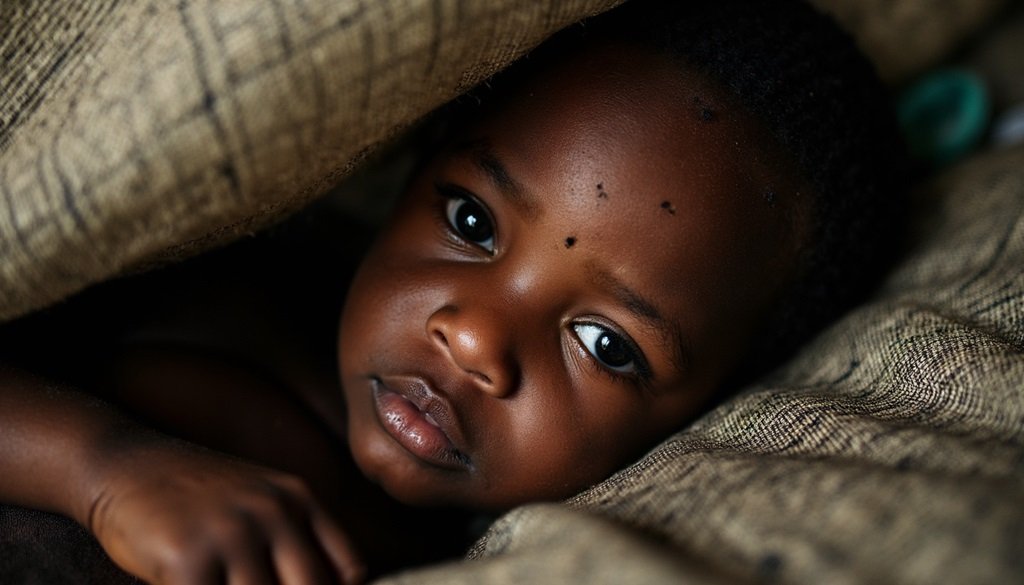
All three infections may present with:
- Fever and chills
- Fatigue and weakness
- Headache
- General malaise
Lassa Fever Symptoms
- Swelling of the face
- Bleeding gums or nosebleeds
- Severe vomiting and diarrhea
- Abdominal pain
- Hearing loss in some cases
Expert insight: “Patients often overlook early Lassa fever symptoms, which can progress to bleeding and organ involvement. Early diagnosis is crucial,” – Prof. Chikwe Ihekweazu, NCDC
Malaria Symptoms
- High fever with chills
- Sweating episodes after fever spikes
- Nausea and vomiting
- Severe anemia or dark urine in advanced cases
Typhoid Symptoms
- Gradual onset of fever
- Constipation or diarrhea
- Abdominal tenderness
- Rose-colored spots on the torso The Lancet
Risk Factors and Transmission

Lassa Fever
- Exposure to Mastomys rats or their droppings
- Poor hygiene and food storage
- Close contact with infected individuals
Malaria
- Mosquito bites, especially in endemic zones
- Lack of mosquito nets, repellents, or indoor spraying
- Stagnant water around homes
Typhoid Fever
- Drinking or consuming food contaminated with Salmonella Typhi
- Poor sanitation and handwashing
- Consumption of street food or raw vegetables
When to See a Doctor
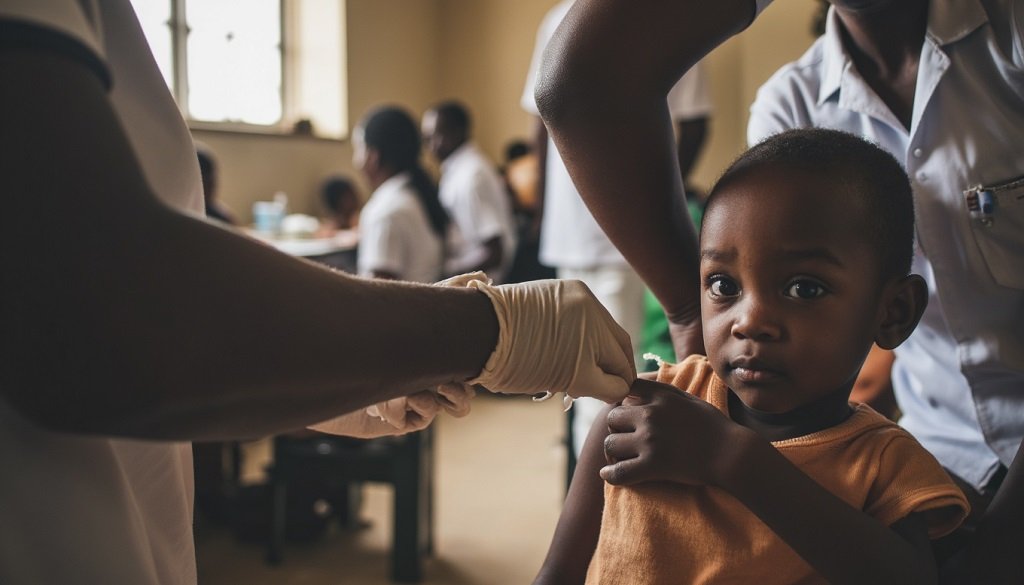
Immediate medical attention is required if you experience:
- Persistent high fever lasting more than 48 hours
- Severe abdominal pain or vomiting
- Bleeding, confusion, or dehydration
- Signs of severe anemia (pale skin, fatigue)
Early intervention is particularly critical for Lassa fever due to its high mortality rate if untreated.
Diagnosis and Treatment Options
Lassa Fever
- Diagnosis: Blood tests (RT-PCR, ELISA)
- Treatment: Supportive care (hydration, electrolytes), Ribavirin antiviral therapy in early stages
- Hospitalization: Recommended for moderate to severe cases
Malaria
- Diagnosis: Rapid diagnostic tests or blood smear
- Treatment: Artemisinin-based combination therapy (ACT), hospitalization for severe malaria
Typhoid Fever
- Diagnosis: Blood or stool culture
- Treatment: Antibiotics (Ciprofloxacin, Azithromycin)
- Supportive care: Hydration and rest
Dietary Support During Illness
Proper nutrition supports recovery and strengthens immunity.
Principles
- Stay hydrated with water, coconut water, or herbal teas
- Eat easily digestible, nutrient-dense foods
- Avoid sugary, oily, or highly processed foods
One-Week Meal Plans
Nigeria-Focused Plan

Breakfasts: Pap with milk, boiled eggs, or fruit bowls
Lunches: Vegetable soups with fufu or brown rice
Dinners: Boiled yam or sweet potatoes with grilled fish or lean meat
Snacks: Fresh fruits, coconut water, unsweetened yogurt
Africa-Focused Plan
- Millet or sorghum porridge
- Legume-based stews with vegetables
- Leafy greens with fish or chicken
- Hydrating fruits like pawpaw and watermelon
Global Plan
- Oatmeal with fruits and nuts
- Quinoa bowls with steamed vegetables and lean protein
- Baked fish or chicken with sautéed greens
- Unsweetened yogurt and fresh fruit snacks
Prevention Strategies
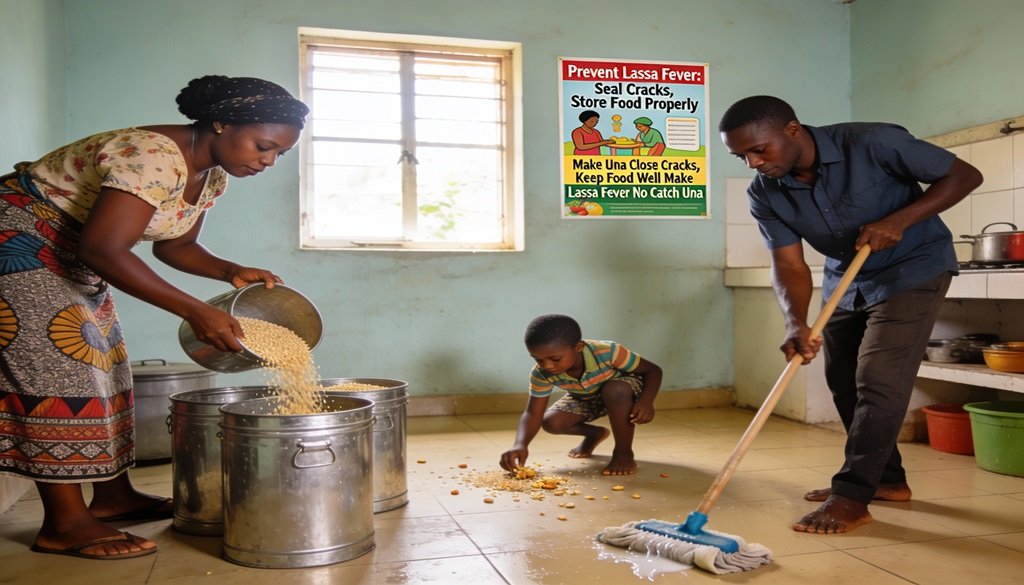
- Lassa Fever: Store food properly, rodent-proof homes, avoid contact with infected patients
- Malaria: Use insecticide-treated mosquito nets, repellents, and indoor spraying
- Typhoid: Ensure safe water, proper sanitation, and handwashing; vaccinate where available. NCDC
Coping Strategies and Home Support
- Monitor symptoms carefully at home while awaiting diagnosis
- Hydrate and rest adequately
- Small, frequent meals with easily digestible foods
- Maintain a clean environment to prevent secondary infections
- Seek mental health support for prolonged illness or hospitalization
Frequently Asked Questions
Q1: How can I tell if it’s Lassa fever, malaria, or typhoid?
- Check symptom patterns and exposure history; consult a healthcare professional promptly.
Q2: Can one person have more than one infection at the same time?
- Yes, co-infections are possible, especially in endemic areas.
Q3: How fast should I seek medical attention?
- Immediate medical attention is critical if fever persists or there is bleeding, confusion, or dehydration.
Q4: Are there home remedies that work for these diseases?
- Supportive care (hydration, rest, and nutritious meals) helps recovery, but no home remedy replaces medical treatment.
Q5: Can diet speed up recovery?
- Yes, nutrient-rich, easily digestible meals support the immune system and overall recovery.
Final Thoughts
Lassa fever, malaria, and typhoid are life-threatening infections that require timely recognition and treatment. Early diagnosis, prompt medical care, proper hydration, and nutrient-dense meals can significantly improve outcomes. Preventive measures, including rodent control, mosquito protection, safe water, and hygiene, remain the most effective ways to reduce the risk of infection.
Awareness, education, and healthy dietary practices empower Nigerians and Africans globally to respond appropriately and protect their health.
- Monitor your fever and symptoms carefully
- Educate family and community on differences between infections
- Share this guide to raise awareness
- Visit HealthsClinic.com for more trusted health guides, meal plans, and wellness resources
Medical Disclaimer
This article is for educational purposes only and does not replace professional medical advice. Always consult a qualified healthcare provider if you suspect infection or experience severe symptoms. Early diagnosis and treatment are critical for Lassa fever, malaria, and typhoid.
Related Reading
- Lassa Fever in Nigeria: Symptoms & Treatment
- Natural High Blood Pressure Cure in Nigeria
- Nigerian Daily Habits That Drain Your Energy