
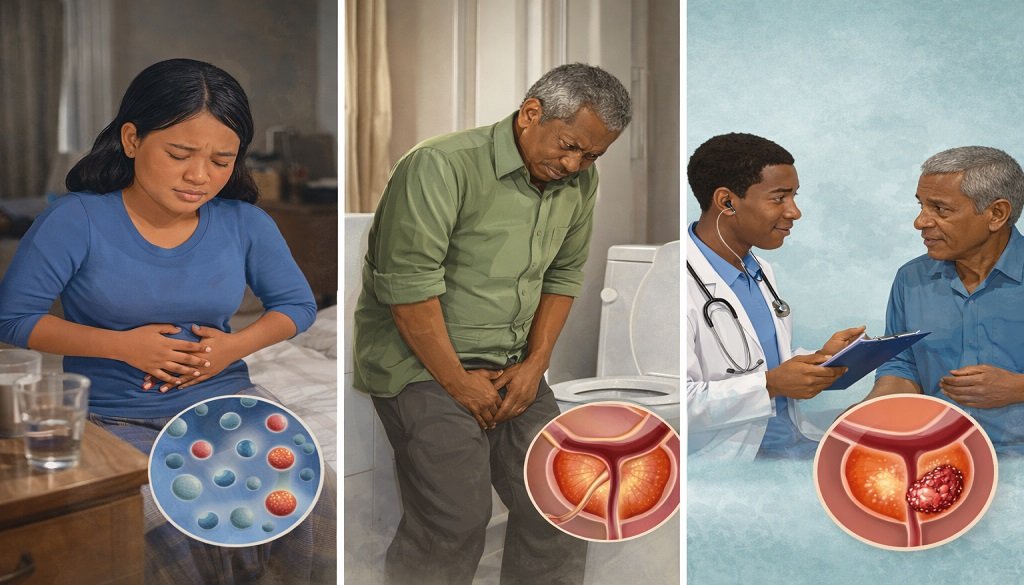
In many Nigerian families, cancer is still spoken about in hushed tones—often only when someone is already very ill. Symptoms are ignored, explained away, or treated at home until they become impossible to manage. By the time hospital care is sought, the disease is sometimes already advanced, limiting treatment options and outcomes.
Yet cancer is no longer a distant or “foreign” illness. The most common cancers among Nigerians now affect people across all regions, ages, and backgrounds. Thousands of new cases are diagnosed every year, and late presentation remains one of the biggest challenges to survival. Factors such as low awareness, fear, stigma, cost of care, and limited access to screening all play a role.
From routine clinical and public-health experience, one thing is clear: early understanding saves lives. Knowing which cancers are common, recognizing warning signs early, and seeking timely specialist care can significantly improve outcomes.
This guide explains the 20 most common cancers among Nigerians, covering what they are, why they occur, early symptoms to watch for, when to see a specialist, and available treatment options. While grounded in the Nigerian and African context, the information is also relevant globally—because cancer respects no borders, but early action makes a difference everywhere.
“Cancer survival improves dramatically when diagnosis is early. Awareness is not optional; it is lifesaving.” World Health Organization (WHO)
Understanding Cancer in Nigeria
What Is Cancer?
Cancer is a disease in which abnormal cells grow uncontrollably, invade nearby tissues, and may spread to distant organs (metastasis). These cells escape the body’s normal growth controls and can affect almost any organ.
Why Cancer Is Rising in Nigeria
Several factors contribute to the rising cancer burden in Nigeria:
- Population growth and longer life expectancy
- Lifestyle changes (diet, physical inactivity, alcohol, tobacco)
- Infections such as HPV, Hepatitis B & C, HIV
- Limited access to screening and early diagnosis
- Late presentation due to fear, myths, and cost of care
According to global cancer research bodies, breast, prostate, cervical, colorectal, and liver cancers consistently rank among the most common cancers in Nigeria.
The 20 Most Common Cancers Among Nigerians

1. Breast Cancer
Brief Introduction
Breast cancer is the most commonly diagnosed cancer in Nigeria, affecting mostly women but also men.
Likely Causes / Risk Factors
- Family history (BRCA gene mutations)
- Obesity and physical inactivity
- Early menstruation or late menopause
- Alcohol use
Symptoms / Signs
- Breast lump (often painless)
- Skin dimpling or nipple retraction
- Bloody nipple discharge
- Breast asymmetry
When to See a Specialist
- Any new breast lump lasting more than 2 weeks
- Changes in breast shape, skin, or nipple
Possible Treatment Options
- Surgery (lumpectomy or mastectomy)
- Chemotherapy
- Radiotherapy
- Hormonal therapy
- Targeted therapy
“In Africa, breast cancer is often aggressive—not because of biology alone, but because of late diagnosis.”
— African Organization for Research and Training in Cancer (AORTIC)
2. Prostate Cancer
Brief Introduction
The most common cancer among Nigerian men, especially after age 50.
Likely Causes
- Increasing age
- Family history
- Hormonal factors
- African ancestry (higher risk globally)
Symptoms
- Difficulty urinating
- Weak urine stream
- Blood in urine or semen
- Bone pain (late stage)
When to See a Specialist
- Persistent urinary symptoms
- Elevated PSA test
Treatment Options
- Active surveillance (early cases)
- Surgery
- Radiotherapy
- Hormonal therapy
- Chemotherapy (advanced disease)
3. Cervical Cancer
Brief Introduction
A leading cause of cancer death among Nigerian women, largely preventable.
Likely Causes
- Persistent Human Papillomavirus (HPV) infection
- Early sexual activity
- Multiple sexual partners
- Weakened immunity
Symptoms
- Abnormal vaginal bleeding
- Bleeding after sex
- Pelvic pain
- Foul-smelling discharge
When to See a Specialist
- Any abnormal bleeding
- Positive Pap smear or HPV test
Treatment Options
- Surgery (early stages)
- Radiotherapy
- Chemotherapy
- Combined chemoradiation
“Cervical cancer should be a rare disease—screening and HPV vaccination can almost eliminate it.”
— WHO Cancer Control Programme
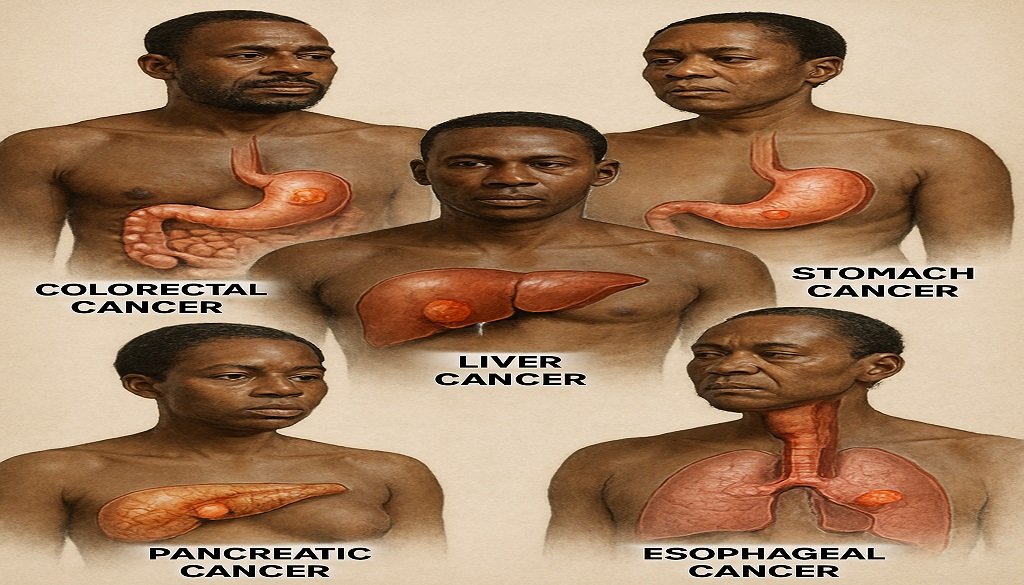
4. Colorectal Cancer
Brief Introduction
Cancer of the colon or rectum, increasingly diagnosed in Nigerians under 50.
Likely Causes
- Low-fiber, high-fat diet
- Obesity
- Family history
- Smoking and alcohol
Symptoms
- Blood in stool
- Change in bowel habits
- Abdominal pain
- Unexplained weight loss
When to See a Specialist
- Persistent bowel changes
- Rectal bleeding
Treatment Options
- Surgery
- Chemotherapy
- Radiotherapy
- Targeted therapy
5. Liver Cancer
Brief Introduction
Highly prevalent due to chronic hepatitis infections.
Likely Causes
- Hepatitis B and C
- Excessive alcohol intake
- Aflatoxin-contaminated foods
- Liver cirrhosis
Symptoms
- Abdominal pain
- Weight loss
- Jaundice
- Swollen abdomen
When to See a Specialist
- Chronic hepatitis patients with new symptoms
Treatment Options
- Surgical resection
- Liver ablation
- Targeted therapy
- Palliative care
6. Non-Hodgkin Lymphoma
Brief Introduction
A cancer of the lymphatic system, common in both adults and children.
Likely Causes
- Immune suppression
- HIV infection
- Certain viral infections
Symptoms
- Painless swollen lymph nodes
- Fever and night sweats
- Weight loss
When to See a Specialist
- Persistent swollen glands
Treatment Options
- Chemotherapy
- Immunotherapy
- Radiotherapy
7. Ovarian Cancer
Brief Introduction
Often diagnosed late because symptoms are vague.
Likely Causes
- Family history
- Increasing age
- Genetic mutations
Symptoms
- Abdominal bloating
- Pelvic pain
- Early fullness after meals
When to See a Specialist
- Persistent bloating or pelvic discomfort
Treatment Options
- Surgery
- Chemotherapy
- Targeted therapy
8. Lung Cancer
Brief Introduction
Less common historically, but rising with urbanization.
Likely Causes
- Tobacco smoking
- Secondhand smoke
- Air pollution
Symptoms
- Chronic cough
- Chest pain
- Shortness of breath
- Coughing blood
When to See a Specialist
- Cough lasting more than 3 weeks
Treatment Options
- Surgery
- Chemotherapy
- Radiotherapy
- Immunotherapy
9. Stomach (Gastric) Cancer
Likely Causes
- Helicobacter pylori infection
- Smoked and salted foods
- Smoking
Symptoms
- Indigestion
- Weight loss
- Vomiting
Treatment
- Surgery
- Chemotherapy
- Radiotherapy
10. Bladder Cancer
Likely Causes
- Smoking
- Chemical exposure
- Chronic infections
Symptoms
- Blood in urine
- Painful urination
Treatment
- Surgery
- Chemotherapy
- Immunotherapy
11. Thyroid Cancer
Brief Introduction
Thyroid cancer affects the thyroid gland in the front of the neck. Although often slow-growing, some types can be aggressive if untreated.
Likely Causes / Risk Factors
- Exposure to radiation (especially in childhood)
- Family history of thyroid disease or cancer
- Iodine imbalance
- Female gender
Symptoms / Signs
- Painless lump or swelling in the neck
- Hoarseness or voice changes
- Difficulty swallowing or breathing
- Persistent cough not related to infection
When to See a Specialist
- Any new or growing neck lump
- Persistent voice change or difficulty swallowing
Possible Treatment Options
- Surgery (partial or total thyroidectomy)
- Radioactive iodine therapy
- Thyroid hormone therapy
- Targeted therapy (advanced cases)
12. Kidney Cancer
Brief Introduction
Kidney cancer originates in the kidneys and is often discovered incidentally during scans for other conditions.
Likely Causes / Risk Factors
- Smoking
- Obesity
- High blood pressure
- Family history
- Chronic kidney disease
Symptoms / Signs
- Blood in urine
- Persistent lower back pain (one side)
- Unexplained weight loss
- Fatigue
When to See a Specialist
- Any visible blood in urine
- Persistent flank or back pain
Possible Treatment Options
- Surgery (partial or radical nephrectomy)
- Targeted therapy
- Immunotherapy
- Radiotherapy (selected cases)
13. Brain & Nervous System Tumors
Brief Introduction
These tumors affect the brain, spinal cord, or nerves and can be benign or malignant.
Likely Causes / Risk Factors
- Genetic syndromes
- Radiation exposure
- Unknown (many cases)
Symptoms / Signs
- Persistent headaches
- Seizures
- Vision or speech problems
- Weakness or numbness in limbs
- Personality or memory changes
When to See a Specialist
- New-onset seizures
- Progressive neurological symptoms
Possible Treatment Options
- Surgery
- Radiotherapy
- Chemotherapy
- Steroid therapy for symptom control
14. Leukemia
Brief Introduction
Leukemia is a cancer of the blood and bone marrow, affecting white blood cells.
Likely Causes / Risk Factors
- Genetic predisposition
- Radiation exposure
- Certain chemical exposures
- Previous chemotherapy
Symptoms / Signs
- Frequent infections
- Easy bruising or bleeding
- Fatigue and weakness
- Bone pain
- Pale skin
When to See a Specialist
- Persistent anemia or infections
- Unexplained bleeding or bruising
Possible Treatment Options
- Chemotherapy
- Targeted therapy
- Bone marrow or stem cell transplant
- Immunotherapy
15. Burkitt’s Lymphoma
Brief Introduction
Burkitt’s lymphoma is an aggressive cancer common in African children and young adults.
Likely Causes / Risk Factors
- Epstein-Barr virus (EBV)
- Malaria exposure
- Weakened immune system
Symptoms / Signs
- Rapidly growing jaw or facial swelling
- Abdominal masses
- Weight loss
- Night sweats
When to See a Specialist
- Any fast-growing swelling, especially in children
Possible Treatment Options
- Intensive chemotherapy
- Supportive care (infection control, nutrition)
“Burkitt’s lymphoma is highly curable when treated early—even in low-resource settings.–(Pubmed)
16. Bone Cancer
Brief Introduction
Bone cancer can start in the bone (primary) or spread from another cancer (secondary).
Likely Causes / Risk Factors
- Genetic conditions
- Previous radiation exposure
- Paget’s disease of bone
Symptoms / Signs
- Persistent bone pain (often worse at night)
- Swelling over a bone
- Fractures with minimal injury
When to See a Specialist
- Bone pain lasting more than a few weeks
- Unexplained bone swelling
Possible Treatment Options
- Surgery
- Chemotherapy
- Radiotherapy
- Limb-sparing procedures or prosthetics
17. Esophageal Cancer
Brief Introduction
Cancer of the esophagus (food pipe), increasingly seen in both urban and rural populations.
Likely Causes / Risk Factors
- Smoking
- Alcohol use
- Chronic acid reflux (GERD)
- Hot beverage consumption
Symptoms / Signs
- Difficulty swallowing
- Chest pain
- Weight loss
- Persistent heartburn
When to See a Specialist
- Progressive swallowing difficulty
- Unexplained weight loss
Possible Treatment Options
- Surgery
- Chemotherapy
- Radiotherapy
- Palliative care (advanced stages)
18. Testicular Cancer
Brief Introduction
A relatively rare but highly curable cancer affecting young men.
Likely Causes / Risk Factors
- Undescended testicle
- Family history
- Genetic factors
Symptoms / Signs
- Painless testicular lump
- Testicular swelling or heaviness
- Lower abdominal discomfort
When to See a Specialist
- Any new testicular lump
Possible Treatment Options
- Surgery (orchiectomy)
- Chemotherapy
- Radiotherapy
- Active surveillance (early cases)
“Testicular cancer has one of the highest cure rates in oncology when treated early.”
— Global oncology consensus
19. Pancreatic Cancer
Brief Introduction
A highly aggressive cancer often diagnosed late due to subtle early symptoms.
Likely Causes / Risk Factors
- Smoking
- Chronic pancreatitis
- Diabetes
- Family history
Symptoms / Signs
- Upper abdominal pain radiating to the back
- Jaundice
- Weight loss
- Loss of appetite
When to See a Specialist
- Persistent abdominal pain with jaundice
- Unexplained weight loss
Possible Treatment Options
- Surgery (early disease)
- Chemotherapy
- Radiotherapy
- Palliative care
20. Retinoblastoma (Childhood Eye Cancer)
Brief Introduction
Retinoblastoma is a rare but serious eye cancer affecting infants and young children.
Likely Causes / Risk Factors
- Genetic mutation (RB1 gene)
- Family history
Symptoms / Signs
- White reflection in the eye (cat’s eye reflex)
- Crossed eyes
- Red or swollen eye
- Vision problems
When to See a Specialist
- Any abnormal eye appearance in a child
Possible Treatment Options
- Chemotherapy
- Laser therapy or cryotherapy
- Surgery (advanced cases)
- Radiotherapy (selected cases)
“Early detection of retinoblastoma can save both vision and life.”
— International Pediatric Oncology Guidelines
Risk Factors and Prevention of Common Cancers Among Nigerians
Lifestyle Factors

- Avoid tobacco
- Limit alcohol
- Maintain healthy weight
- Exercise regularly
Infection Control
- HPV vaccination
- Hepatitis B vaccination
- Early HIV treatment
Screening Saves Lives

- Breast exams and mammography
- Pap smears
- PSA testing
- Colonoscopy for high-risk individuals
“Prevention and early detection are far more affordable than late-stage cancer treatment.”
— Nigerian Cancer Society
Frequently Asked Questions
What are the most common cancers among Nigerians?
Breast, prostate, cervical, colorectal, liver, and lymphomas.
Can cancer be cured in Nigeria?
Yes—especially when detected early and treated promptly.
Are cancers in Africans more aggressive?
Late diagnosis, not biology alone, explains poorer outcomes.
Is cancer a death sentence?
No. Many cancers are treatable and even curable.
Where should I go if I suspect cancer?
Start with a doctor and request referral to an oncologist.
Final Thoughts on Common Cancers Among Nigerians
Cancer is not a spiritual punishment, a foreign illness, or an automatic death sentence. It is a medical condition—and like many medical conditions, early action saves lives. Understanding the common cancers among Nigerians empowers individuals, families, and communities to act sooner, ask better questions, and demand better care.
Whether you are reading this from Lagos, Abuja, Nairobi, London, or New York, the message is universal: Know the signs. Get screened. Seek care early. Choose life.
This post is for education only, and is not intended to replace professional medical advice.
Related Reading
- Secrets of Longevity: Live Healthier and Age Slower
- Natural High Blood Pressure Cure in Nigeria
- Diabetes Mellitus: Causes, Signs, and Management Strategies