

In many Nigerian homes, frequent sneezing, persistent cough, itchy skin, or wheezing is often dismissed as dust, weather, or “just catarrh.” Children miss school because of repeated symptoms, adults struggle through workdays with blocked noses or breathing difficulty, and hospital visits happen only when things get out of hand. For many families, allergies are managed quietly, without fully understanding what is causing them.
Yet common allergic disorders in Nigeria have become a significant and growing public health concern, especially in fast-urbanising cities like Lagos, Abuja, and Port Harcourt. Conditions such as asthma, allergic rhinitis, eczema, and food allergies now affect people across all age groups and regions. National data show that asthma affects a notable proportion of Nigerians, while allergic rhinitis is even more widespread, particularly in urban settings.
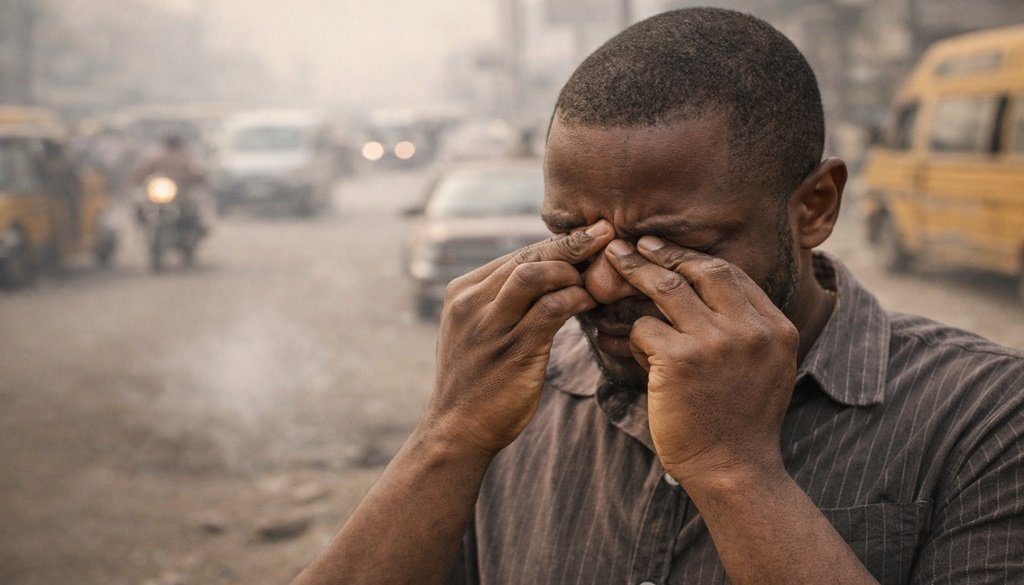
From everyday clinical patterns, these allergic disorders in Nigeria are driven by a mix of genetic tendency and environmental exposure—traffic and generator fumes, indoor smoke, mould, cockroaches, seasonal harmattan dust, and changing lifestyles and diets.
This guide explores the top 20 common allergic disorders in Nigeria, explains their triggers and symptoms, and offers practical, medically sound guidance to help families recognise problems early, reduce flare-ups, and seek appropriate care for better quality of life.
What Are Allergic Disorders?
Basic definition and mechanisms
An allergy happens when the immune system reacts abnormally to usually harmless substances such as dust mites, pollen, foods, drugs or insect stings, treating them like dangerous invaders. In many allergic disorders, the body produces IgE antibodies that trigger the release of histamine and other chemicals, leading to symptoms such as sneezing, wheezing, rashes, and swelling.journals.plos
In Nigeria, common allergens include house‑dust mites in mattresses and carpets, cockroach particles in crowded housing, moulds in damp rooms, traffic‑related pollution, biomass smoke, and certain foods like eggs, milk and peanuts. Both genes and environment matter, and children with a family history of asthma, eczema or hay fever have a higher risk of developing allergic conditions themselves.tandfonline
Allergy burden in Nigeria
A nationwide survey reported a clinical asthma prevalence of about 6.4% and allergic rhinitis prevalence of around 22.8% among Nigerians, with up to 25.8% rhinitis prevalence in Lagos. The same research estimated roughly 13 million people living with clinical asthma in Nigeria, likely one of the highest national burdens in Africa.pubmed.
Urban–rural studies show that Nigerians living in cities report more asthma, allergic rhinitis and skin allergies than those in rural areas, possibly due to higher pollution and lifestyle differences. A recent African scoping review also notes that allergy‑related diseases—including asthma, rhinitis, eczema and food allergy—are rapidly increasing across the continent and are still under‑recognised in health systems.dovepress
20 Most Common Allergic Disorders in Nigeria
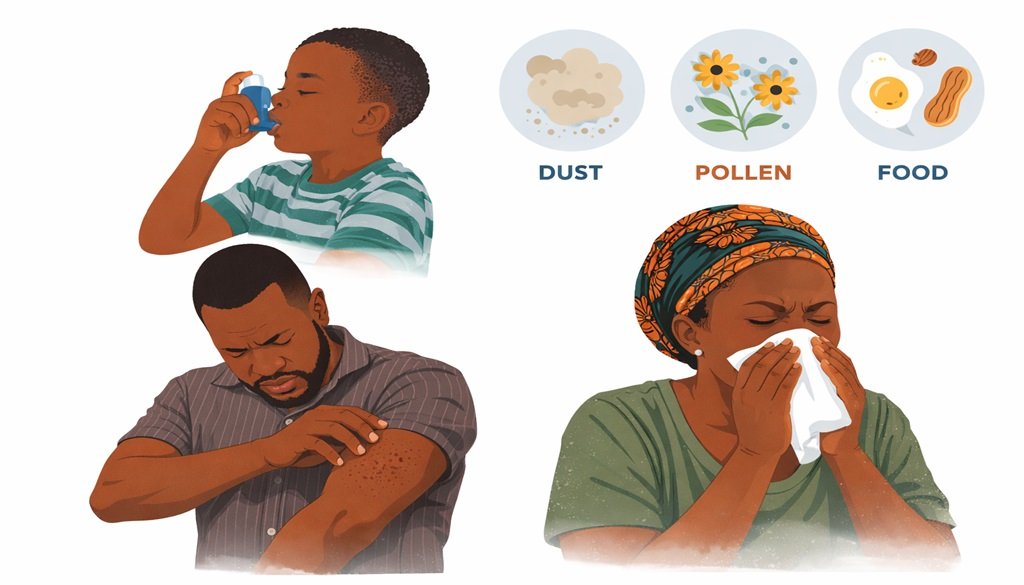
Below are 20 of the most frequently encountered allergic disorders in Nigeria
- Asthma and allergic bronchial disease – chronic airway inflammation and narrowing causing cough, chest tightness, wheeze and breathlessness, often triggered by dust, smoke, exercise, infections and cold harmattan air in Nigerian cities.annalsofhealth
- Allergic rhinitis (hay fever) and rhinoconjunctivitis – recurrent sneezing, runny or blocked nose, and itchy, watery eyes, frequently co‑existing with asthma in Nigerians living in dusty or polluted environments.plos
- Atopic dermatitis (eczema) – chronic, itchy, dry and inflamed skin, especially in children, often associated with family history of asthma or hay fever and worsened by heat, sweat, soaps and rough fabrics.tandfonline
- Urticaria (hives) and angio‑oedema – sudden, itchy, raised rashes (“rashes that move”) and deeper swelling of lips, eyelids or tongue, commonly triggered by infections, medications, foods or unknown causes.globalscience
- Food allergies – reactions to foods such as eggs, cow’s milk, peanuts, tree nuts, fish, shellfish and sometimes wheat or soya, causing hives, vomiting, diarrhoea, or breathing difficulty in sensitive Nigerian children and adults.nih
- Drug allergies – immune reactions to medications like penicillins, sulfonamides, anti‑seizure drugs and some painkillers, ranging from mild rashes to life‑threatening anaphylaxis, a key concern in Nigerian hospitals.globalscience
- Insect sting allergies – exaggerated or systemic reactions to bee, wasp or ant stings, which may cause swelling, hives, breathing difficulty or collapse in sensitised people.plos
- Latex allergy – reactions to latex gloves, balloons and some condoms, especially among health‑care workers and salon professionals frequently exposed to latex products.plos
- Allergic conjunctivitis – itchy, red, watery eyes caused by dust, pollen, animal dander or cosmetics, common among Nigerian students and outdoor workers.nih
- Allergic contact dermatitis – skin rashes appearing where the skin touches an allergen, such as hair relaxers, hair dyes, soaps, cosmetics, perfumes, metals and cement.plos
- Occupational asthma and work‑related rhinitis – allergies triggered by substances at work (e.g. flour dust for bakers, animal dander for farmers, spray paints and welding fumes for industrial workers) causing chronic cough, wheeze or nasal symptoms.africanhealthsciences
- Mould and damp‑related allergies – respiratory or skin symptoms linked to living in damp, poorly ventilated rooms where mould grows on walls, ceilings or clothing.plos
- House‑dust mite allergy – year‑round sneezing, blocked nose or asthma symptoms triggered by mites living in mattresses, pillows, carpets and upholstered furniture in Nigerian homes.nih
- Cockroach allergy – strongly associated with asthma in crowded urban housing; exposure to cockroach droppings and body parts can worsen wheeze and night‑time cough in sensitised children.africanhealthsciences
- Pet dander allergy – allergic reactions to skin flakes, saliva or urine from dogs, cats and birds kept as pets or security animals in Nigerian households.plos
- Pollinosis (pollen allergy) – seasonal sneezing and itchy eyes triggered by grass and weed pollens, particularly during dry and windy periods such as harmattan.ccrest
- Allergic sinusitis and chronic rhinosinusitis – long‑term nasal blockage, facial pressure and thick nasal discharge due to ongoing inflammation in the sinuses, frequently linked with allergy.phmj
- Exercise‑induced bronchospasm – asthma‑like symptoms (wheeze, chest tightness, cough) occurring during or after exercise, especially in children and young adults with underlying asthma.annalsofhealth
- Drug‑induced anaphylaxis – sudden, severe, whole‑body allergic reaction often triggered by medications (or occasionally foods and insect stings), requiring immediate adrenaline (epinephrine) and emergency care.globalscience
- Mixed or overlapping allergic disease – many Nigerians experience combinations of asthma, allergic rhinitis and eczema, known as the “atopic march”, which may change over time from childhood to adulthood.nih
Causes, Triggers and Risk Factors

Environmental and lifestyle triggers
Nigeria’s environment provides a powerful mix of triggers for respiratory and skin allergies, particularly in densely populated cities and informal settlements. Traffic exhaust, industrial emissions, generator fumes, tobacco smoke and open burning of waste all worsen air quality and can provoke or exacerbate asthma and allergic rhinitis symptoms.punchng+2
Indoor exposures are equally important: cooking with firewood or kerosene in poorly ventilated kitchens, dusty rugs and curtains, cockroach and rodent infestations, mould in damp rooms and pets sleeping in the bedroom all increase allergen load. Harmattan season brings dry, cold, dust‑laden winds from the Sahara, which have been linked to spikes in respiratory symptoms, including wheeze, cough, sore throat and eye irritation in West Africa.explorationpub
Genetic and socioeconomic factors
Genetics plays a role: children with one or both parents who have asthma, allergic rhinitis or eczema are more likely to develop similar disorders, although the exact risk varies. However, genes interact with environment, and studies in Nigeria and other African countries show that moving from rural to urban areas is associated with higher allergy rates, likely because of lifestyle and exposure changes.dovepress
Socioeconomic conditions also shape risk and outcomes; overcrowded housing, poor waste management, limited access to clean cooking fuels, and low awareness can increase exposures and delay diagnosis. Many Nigerians rely on self‑medication from pharmacies or informal drug shops, which may mask symptoms, increase the risk of drug allergies, or lead to under‑treated asthma and rhinitis.panafrican
Diagnosis and Treatment Options in Nigeria
How allergic disorders are diagnosed
Most allergic disorders are diagnosed through a careful clinical history and physical examination, looking at the pattern of symptoms, timing, triggers and family history. For asthma, clinicians may use lung function tests such as spirometry or peak flow to show variable airflow limitation and response to bronchodilators, although these tools are not yet widely available in many primary‑care settings.nih
Allergic rhinitis and sinusitis are typically identified through nasal symptoms, examination of the nasal passages and sometimes imaging when complications are suspected. Allergy testing using skin‑prick tests or blood tests (for specific IgE antibodies) can help identify sensitisation to dust mites, pollens, foods or other allergens, but such services are still limited to some tertiary hospitals and specialist centres in Nigeria.nih
Medical and home management

Asthma management usually involves a combination of quick‑relief inhalers (short‑acting bronchodilators) for acute symptoms and controller medications such as inhaled corticosteroids to reduce airway inflammation in line with Global Initiative for Asthma (GINA) or local guideline recommendations. Allergic rhinitis is often treated with non‑sedating oral antihistamines, intranasal corticosteroid sprays, saline irrigation and allergen avoidance, consistent with international and paediatric allergy guidelines.gsconlinepress
Eczema care focuses on daily moisturising, gentle cleansing, avoiding harsh soaps and fragrances, and using topical corticosteroids or calcineurin inhibitors for flares under medical supervision. Urticaria treatment usually includes non‑sedating antihistamines, short courses of steroids for severe flares and careful review of possible triggers like drugs or food.globalscience
Across allergic disorders in Nigeria, lifestyle and home measures are crucial:
- Keeping bedrooms as dust‑free as possible by washing bedding in hot water, sun‑drying mattresses and pillows, and reducing heavy curtains and carpets where feasible.nih
- Improving ventilation and switching from solid fuels to cleaner fuels where possible to reduce indoor smoke exposure.ccrest
- Controlling cockroaches and rodents, fixing leaks and drying damp areas to reduce mould growth in homes.africanhealthsciences
- Wearing face masks or glasses and limiting outdoor exposure during very dusty harmattan days if symptoms worsen.punchng
For severe allergies such as anaphylaxis, emergency treatment with injectable adrenaline (epinephrine), oxygen, intravenous fluids and close monitoring in hospital is life‑saving, and at‑risk patients may be advised to carry an adrenaline auto‑injector where available.globalscience
Living With Allergic Disorders in Nigeria
Daily management and prevention tips
Living with an allergic disorder in Nigeria often requires daily planning but good control is achievable for most people with the right support. Patients with asthma, for example, are encouraged to use a written asthma action plan, track symptoms and peak flows, take controller medications as prescribed, and attend regular follow‑up visits rather than waiting for severe attacks.panafrican
Families can keep symptom diaries noting exposures (e.g. harmattan dust, new foods, visiting relatives with pets) to identify patterns and avoid avoidable triggers. For children with food allergy, schools and caregivers should be informed, and emergency plans, including quick access to antihistamines and adrenaline where appropriate, should be in place.globalscience
When to see a specialist
Certain warning signs mean it is time to ask for referral to a specialist such as a pulmonologist, allergist, dermatologist or ENT surgeon. These include frequent night‑time wheeze or breathlessness, recurrent emergency visits for asthma attacks, persistent nasal blockage or facial pain for months, severe or infected eczema, vision changes, or repeated episodes of severe swelling or anaphylaxis.phmj
In Nigeria, most tertiary hospitals and some private centres host respiratory, allergy, dermatology or ENT clinics that can offer more detailed evaluation, allergy testing where available and advanced treatment options. Even when specialist care is limited, early referral and shared care between primary‑care doctors and specialists can improve long‑term outcomes and reduce preventable deaths from asthma and other allergic disorders.panafrican
Expert Opinions and Evidence‑Based Quotes
Researchers and clinicians working in Nigeria and across Africa have repeatedly warned that allergic disorders need more attention from policy‑makers, health professionals and the public. Ozoh and colleagues, in a nationwide survey of asthma and allergic rhinitis, concluded that “the prevalence of asthma and allergic rhinitis in Nigeria is high” and called for prioritisation of risk‑reduction measures and investment in diagnosis and treatment capacity. Plosone. pmc.
A Lagos‑based study on adult asthmatics found allergic rhinitis in more than three‑quarters of patients, and showed that those with both conditions had poorer asthma control, underscoring the importance of treating the upper and lower airways together. pmc.
Urban–rural research on asthma and allergies in Nigeria reports that urban residents have higher prevalence of asthma, allergic rhinitis and skin allergy, and notes that about two‑thirds of Nigerians with asthma also suffer from allergic rhinitis. tandfonline
A recent scoping review protocol on allergy‑related diseases in Africa argues that allergy prevalence is rising rapidly and that better surveillance, diagnostic services and guideline‑based care are urgently needed across the continent. plosone
In paediatric practice, Nigerian authors reviewing childhood asthma have highlighted gaps between available guidelines and real‑world care, stressing the need to improve use of inhaled corticosteroids, asthma action plans and follow‑up in routine practice. plosone Local ENT and paediatric allergy experts have similarly emphasised early diagnosis and consistent treatment of allergic rhinitis and sinusitis to prevent complications and improve quality of life.gsconlinepress
Frequently Asked Questions
1. What are the most common allergic disorders in Nigeria today?
The most common allergic disorders in Nigeria include asthma, allergic rhinitis, atopic dermatitis (eczema), allergic conjunctivitis, urticaria and food allergy, often occurring together in the same individuals. Surveys suggest that skin allergy symptoms may affect over a quarter of some Nigerian populations, while allergic rhinitis affects around one in four and asthma about one in sixteen. pubmed
2. Can harmattan dust and generator fumes trigger allergies?
Yes, harmattan dust and poor‑quality air from traffic and generator fumes can irritate the airways and trigger asthma attacks, cough, sore throat, nasal congestion and eye irritation in both allergic and non‑allergic people. People with existing asthma or allergic rhinitis are particularly vulnerable and may need to increase controller medications, stay indoors on extremely dusty days, and use masks and protective eyewear when outdoors.explorationpub
3. How do doctors diagnose allergic rhinitis and asthma in Nigeria?
Doctors diagnose allergic rhinitis and asthma by taking a detailed history, examining the nose, chest and skin, and assessing patterns such as night‑time symptoms, seasonal flares or clear triggers like dust or pets. Where available, lung function tests and allergy tests (skin‑prick or blood tests) can support the diagnosis, but many clinicians still rely mainly on clinical evaluation and response to treatment.phmj
4. Which foods most often cause allergies in Nigerian children?
Common food allergens in Nigerian children include eggs, cow’s milk, peanuts, fish, shellfish and sometimes wheat or soya, although detailed local data remain limited. Reactions can range from mild hives or lip swelling to vomiting, diarrhoea and severe anaphylaxis, so any suspected food allergy should be evaluated by a qualified health professional.pubmed
5. How can families manage allergic disorders in Nigeria with limited resources?
Families can take simple steps such as reducing indoor dust and smoke, sun‑drying bedding, washing hands and face after outdoor exposure, using affordable moisturisers for eczema and following prescribed inhaler or medication regimens. Knowing personal triggers, having an emergency plan, and attending scheduled clinic visits—even at primary‑care level—can dramatically reduce severe attacks and hospitalisations.annalsofhealth
Final Thoughts
Allergic disorders in Nigeria are common, increasing and often under‑diagnosed, but they are manageable when recognised early and treated consistently. By understanding the top 20 common allergic disorders in Nigeria, recognising local triggers such as harmattan dust, indoor smoke and pests, and working closely with health professionals, Nigerian families can significantly improve day‑to‑day control and long‑term outcomes.pubmed
Medical Disclaimer
This article is for general information and education about allergic disorders in Nigeria only and is not a substitute for professional medical advice, diagnosis or treatment. Always consult a qualified doctor or other licensed health‑care provider with any questions you may have regarding a medical condition, and never ignore or delay seeking professional advice because of something you have read online.panafrican
Related Reading
- Lassa Fever, Malaria, and Typhoid: Spot Differences
- Improve Sleep Naturally: Beat Insomnia Without Pills
- Chronic Urinary Tract and Prostate Disorders in Nigeria




Pingback: Lassa Fever in Nigeria: Symptoms & Treatment
Pingback: Top 20 ENT Disorders in Nigeria You Should Know