
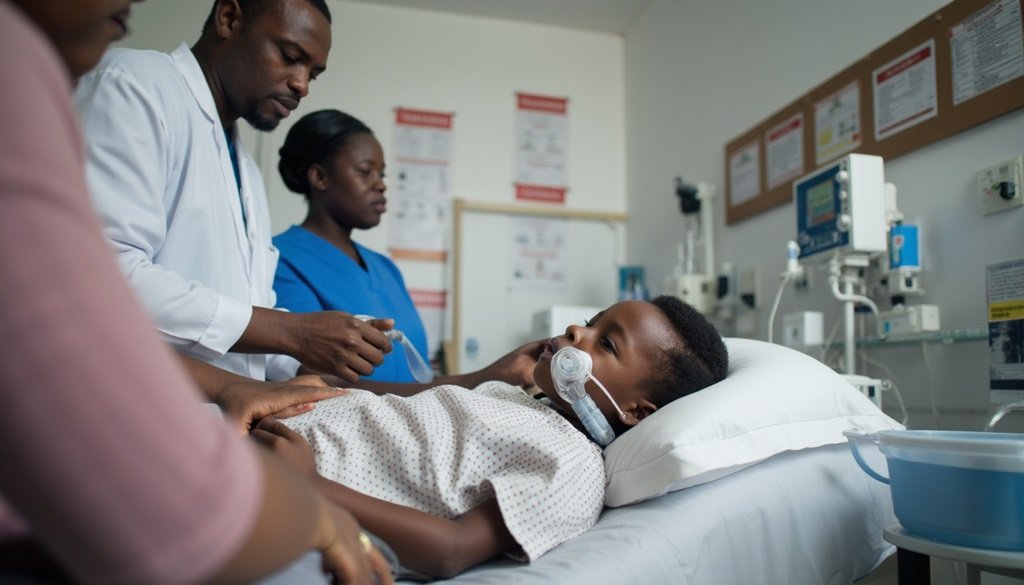
In many Nigerian homes, convulsions are one of the most frightening medical emergencies to witness. A child suddenly jerks, an adult collapses, and panic spreads quickly. In those moments, families are often torn between rushing to the hospital and turning to traditional or spiritual explanations, sometimes losing valuable time.
Yet the reality is that the top causes of convulsions in Nigeria are medical. Infections, epilepsy, birth-related complications, stroke, head injuries, and metabolic problems can all disturb normal brain function and trigger seizures. These causes cut across age groups—from newborns and children to adults and the elderly—and many are treatable or preventable when recognized early.
From repeated clinical and public-health experience, delayed care and harmful first-aid practices often worsen outcomes, not the convulsion itself. Understanding what is happening in the body helps families respond calmly, protect the person during a seizure, and seek the right care without fear or stigma.
This guide explains the top 20 causes of convulsions in Nigeria, focusing on medical causes rather than myths, so families can recognize emergencies early, avoid dangerous practices, and take informed steps toward proper treatment and long-term well-being.
What Are Convulsions and Seizures?
Definition and key differences
– A seizure is a sudden burst of abnormal electrical activity in the brain that temporarily changes movement, awareness, behaviour, sensation or emotions.ufhealth+1
– A convulsion is the visible rapid shaking or jerking of the body that may occur during some seizures, especially generalized tonic–clonic seizures.ninds.nih+1
– Not all seizures involve convulsions; some cause brief staring spells, lip smacking, confusion or automatic movements without obvious shaking.cincinnatichildrens+1
– Epilepsy is a chronic brain disorder where a person has a long‑term tendency to have recurrent unprovoked seizures, meaning they are not just triggered by short‑term problems like fever or low blood sugar.who+1
Types of seizures seen in Nigeria
– Generalized tonic–clonic seizures: loss of consciousness, stiffening, then rhythmic jerking of the arms and legs, often with tongue biting and incontinence.clevelandclinic+1
– Focal seizures: start in one part of the brain and may cause jerking of one limb, strange sensations, staring or behavioural changes, sometimes progressing to generalized convulsions.ninds.nih
– Absence seizures: brief staring spells with sudden pause in activity, more common in children; can be mistaken for daydreaming.cincinnatichildrens
– Febrile seizures: convulsions associated with fever in young children, particularly common in malaria‑endemic areas like Nigeria.pmc.ncbi.nlm.nih+1
– Status epilepticus: seizure activity longer than about 5 minutes or repeated seizures without full recovery between them; a life‑threatening emergency needing urgent hospital care.healthdirect+1
Why Convulsions Are Common in Nigeria and Africa
Burden of seizures and epilepsy in low‑resource settings
– Studies show seizures and epilepsy are more frequent in low‑ and middle‑income countries than in high‑income countries because of higher rates of infections, birth complications and injuries.pmc.ncbi.nlm.nih+1
– Nigerian and regional research highlights falciparum malaria, meningitis, encephalitis, perinatal asphyxia, head trauma and measles as major risk factors for epilepsy in children.ijpediatrics+2
– The WHO notes that up to 70% of people with epilepsy could be seizure‑free with appropriate treatment, yet in many low‑income settings the epilepsy treatment gap (people needing care but not receiving it) exceeds 75%.pmc.ncbi.nlm.nih+1
Myths, stigma and delays in getting care
– Community surveys in Nigeria and other African countries report that many people still attribute convulsions to witchcraft, curses or spiritual attacks.pmc.ncbi.nlm.nih+1
– These beliefs can lead to dangerous practices such as putting objects in the mouth, burning the feet or using harmful concoctions instead of going to hospital.datelinehealthafrica+1
– African seizure‑first‑aid guidance encourages first aiders to respect spiritual needs but to clearly explain that nurses and doctors are trained to manage the medical aspects of epilepsy and convulsions.noddingsyndromealliance+1
Top 20 Causes of Convulsions in Nigeria

Major childhood causes
– Febrile seizures from high fever
- Occur mainly in children 6 months to 5 years when temperature rises quickly with infections like malaria, respiratory illnesses or sepsis.pmc.ncbi.nlm.nih+1
- Nigerian and West African data show a large proportion of febrile seizures are associated with malaria parasitaemia.semanticscholar+2
– Severe malaria and cerebral malaria
- Falciparum malaria is the single most important cause of acute symptomatic seizures in many malaria‑endemic African settings.pubmed.ncbi.nlm.nih+1
- In cerebral malaria, parasite‑infected red blood cells block brain vessels, causing diffuse damage that manifests as complex, often non‑febrile seizures.pmc.ncbi.nlm.nih+1
– Meningitis and encephalitis
- Bacterial meningitis, viral encephalitis and tuberculous meningitis frequently cause seizures alongside fever, stiff neck and altered consciousness.pmc.ncbi.nlm.nih+1
- Outbreaks in Northwest Nigeria show meningitis can lead to high rates of convulsions and long‑term neurological disability without rapid treatment.msfsouthasia
– Birth asphyxia and birth trauma
- Lack of oxygen and mechanical injury during labour or delivery are major causes of neonatal seizures and later epilepsy, especially where emergency obstetric care is limited.ijpediatrics+1
- Poor antenatal care, delayed referrals and unskilled birth attendance increase perinatal brain injury risk.ijpediatrics+1
– Congenital brain malformations and genetic epilepsies
- Structural brain development problems and genetic epilepsies can produce early‑onset seizures; under‑diagnosed in Nigeria due to limited MRI and genetics access.neurology+1
- Clues include abnormal head size, developmental delay and seizures beginning in the first months of life.ijpediatrics+1
Chronic neurological and structural brain causes

– Idiopathic or genetic epilepsy
- Many Nigerians with recurrent seizures have no visible lesion on imaging; their epilepsy may be genetic or due to subtle brain network changes.neurology+1
- These cases often respond well to antiseizure medicines when diagnosis and treatment start early.who+1
– Sequelae of previous CNS infections
- Past meningitis, encephalitis and cerebral malaria can leave scars that later act as seizure foci.pmc.ncbi.nlm.nih+1
- African data show that children surviving severe CNS infections have higher long‑term risks of epilepsy and behavioural problems.pmc.ncbi.nlm.nih+1
– Traumatic brain injury
- Road traffic crashes, motorcycle accidents, falls, domestic violence and sports injuries cause traumatic brain injury.sciencedirect+1
- Post‑traumatic epilepsy can appear months or years later; seizure‑related injuries (burns, fractures, head trauma) are also common during attacks.pmc.ncbi.nlm.nih+1
– Stroke
- Stroke from blocked or burst vessels is an important cause of new‑onset seizures in adults, including in Nigeria as hypertension and diabetes rise.who+1
- Seizures can occur in the acute phase or months after a stroke, particularly with cortical lesions.clevelandclinic+1
– Brain tumours and brain abscesses
- Primary brain tumours, metastases and brain abscesses may present with seizures, headache, focal weakness or personality changes.medicalnewstoday+1
- Limited access to CT/MRI in many Nigerian centres can delay diagnosis, so persistent or focal seizures need urgent referral.neurology+1
Metabolic, toxic and systemic causes
– Hypoglycaemia (low blood sugar)
- Common in infants, under‑nourished children and people with diabetes on insulin or tablets, especially if meals are missed or doses are too high.medicalnewstoday+1
- Bedside glucose testing and prompt treatment with glucose are essential in emergency seizure protocols.healthdirect+1
– Electrolyte imbalances
- Low sodium, calcium or magnesium can arise from diarrhoea, vomiting, kidney disease, endocrine disorders or certain drugs and strongly predispose to seizures.medicalnewstoday+1
- Correcting these imbalances with appropriate fluids and supplements is key to stopping convulsions and preventing recurrence.healthdirect
– Severe dehydration and shock
- Dehydration from gastroenteritis, sepsis or bleeding reduces brain blood flow; in young children this can lead to seizures and coma.medicalnewstoday+1
- Early oral rehydration and timely hospital care for diarrhoeal diseases can prevent many such convulsions.cincinnatichildrens+1
– Poisoning and toxins
- Ingested pesticides, kerosene, overdoses of medicines, illicit drugs and some traditional herbal mixtures can cause seizures directly or via organ failure.medicalnewstoday+1
- Safe storage of chemicals and medicines and caution with unregulated remedies are vital preventive measures.medicalnewstoday
– Systemic infections and sepsis
- Sepsis can trigger convulsions through fever, inflammation, low blood pressure and metabolic stress, even without direct brain infection.healthdirect+1
- Rapid recognition and treatment with fluids, antibiotics and organ support reduce seizure risk and mortality.healthdirect
Triggers, risk factors and under‑investigated causes

– Medication non‑adherence in epilepsy
- For people already diagnosed with epilepsy, skipping antiepileptic drugs or stopping suddenly is a major cause of breakthrough seizures.pmc.ncbi.nlm.nih+1
- Systematic reviews show cost, distance, side effects and beliefs all contribute to Africa’s wide epilepsy treatment gap.onlinelibrary.wiley+1
– Lifestyle triggers in epilepsy
- Sleep deprivation, intense stress, alcohol binges and, for some, flashing lights or certain screen patterns can precipitate seizures in those with epilepsy.clevelandclinic+1
- Education on sleep hygiene, stress management, alcohol moderation and safe media use is part of comprehensive epilepsy care.ninds.nih+1
– Perinatal infections and poor antenatal care
- Maternal malaria, syphilis, HIV, severe anaemia and prematurity increase the risk of infant brain injury and seizures.pmc.ncbi.nlm.nih+2
- Scaling up antenatal screening, malaria prevention in pregnancy and skilled birth attendance is critical for prevention.pmc.ncbi.nlm.nih+1
– Co‑existing neurological and developmental conditions
- Children with cerebral palsy, intellectual disability and other neurodevelopmental disorders have higher seizure rates than their peers.pmc.ncbi.nlm.nih+1
- Early intervention and regular neurologic follow‑up can limit complications and support development.ijpediatrics+1
– Unknown causes due to limited diagnostics
- Many Nigerians with frequent convulsions never get EEG or brain imaging, so the cause remains undetermined.pmc.ncbi.nlm.nih+1
- An ILAE epidemiology report calls for better data and revised definitions of the epilepsy treatment gap to guide investment in diagnostics and care.onlinelibrary.wiley
Warning Signs and Seizure First Aid
Emergency red flags families must know
– Seizure or convulsion lasting more than 5 minutes.emergencyresponseafrica+1
– Repeated seizures without full recovery of consciousness in between.ninds.nih+1
– Difficulty breathing, bluish lips, serious injury, or seizure in water or after a major accident.emergencyresponseafrica+1
– First‑ever seizure, seizure during pregnancy, or seizure in someone with diabetes, heart disease or recent head trauma.clevelandclinic+1
– Seizure with high fever plus stiff neck, severe headache, rash or confusion, suggesting meningitis or encephalitis.pmc.ncbi.nlm.nih+1
Simple seizure first aid for homes, schools and worship centres
– Stay calm and quickly clear the area of furniture, fire, glass and sharp objects.sinccd.africasocialwork+1
– Gently help the person lie on the ground, preferably on their side in the recovery position to keep the airway clear.sinccd.africasocialwork+1
– Place something soft under the head and loosen tight clothing around the neck.emergencymedicinekenya+1
– Do not put anything in the mouth and do not try to hold the tongue; this can cause broken teeth, jaw injury or choking.datelinehealthafrica+1
– Do not restrain the arms or legs; allow the movements while protecting from injury.sinccd.africasocialwork+1
– Time the seizure and call for emergency help if it lasts more than 5 minutes, repeats or the person does not wake up.emergencyresponseafrica+1
– After the seizure, stay with the person, speak calmly, explain what happened and check for injuries once they are fully awake.pmc.ncbi.nlm.nih+1
How Doctors Diagnose Convulsions
Clinical assessment and basic tests
– History covers age, pregnancy status, recent fever or infections, malaria exposure, injuries, medications, alcohol or drugs, family history and previous seizures.neurology+1
– Witness descriptions or smartphone videos help doctors distinguish seizures from fainting or other events and recognise seizure types.cincinnatichildrens+1
– Common tests include blood sugar, electrolytes, full blood count, malaria test, kidney and liver function; lumbar puncture is used when meningitis or encephalitis is suspected.pmc.ncbi.nlm.nih+2
– EEG detects abnormal brain electrical activity; CT or MRI reveal stroke, tumours, congenital malformations, abscesses and scarring.pmc.ncbi.nlm.nih+1
Why early and accurate diagnosis matters
– Prompt identification and treatment of reversible causes like malaria, meningitis, hypoglycaemia and electrolyte disturbances can prevent death and permanent brain damage.pubmed.ncbi.nlm.nih+2
– Early epilepsy diagnosis with appropriate medication reduces seizure frequency, minimises seizure‑related injuries and improves school, work and social participation.pmc.ncbi.nlm.nih+2
Treatment and Prevention in Nigeria, Africa and Globally
Acute treatment in emergencies
– Stabilise airway, breathing and circulation and give oxygen if needed.emergencymedicinekenya+1
– Administer fast‑acting anticonvulsants for prolonged seizures following local emergency protocols.emergencymedicinekenya+1
– Treat underlying causes with antimalarials, antibiotics, antivirals, glucose, fluids and electrolyte replacement as indicated.pmc.ncbi.nlm.nih+2
Long‑term epilepsy care and prevention strategies
– Use daily antiepileptic medicines tailored to seizure type, age, sex, pregnancy plans, co‑morbidities and cost; support adherence with counselling and simplified regimens.who+2
– Strengthen antenatal care and skilled birth attendance to reduce perinatal asphyxia and infections.ijpediatrics+1
– Expand vaccination and malaria control (bed nets, indoor spraying, rapid diagnosis and treatment) to reduce febrile seizures, meningitis and cerebral malaria.pmc.ncbi.nlm.nih+2
– Improve road safety enforcement (seat belts, helmets, speed control, drink‑driving laws) to prevent traumatic brain injuries that later cause epilepsy.pmc.ncbi.nlm.nih+1
– Run community education campaigns to dispel myths, teach seizure first aid and promote inclusion of people with epilepsy at school and work.sciencedirect+2
– Globally, WHO and partners advocate integrating epilepsy care into primary health care, increasing access to affordable antiseizure medicines and using technical toolkits to help countries reduce the treatment gap.noddingsyndromealliance+1
Expert Opinions and Evidence‑Based Insights

What Nigerian studies reveal
– A Nigerian epilepsy epidemiology study found that “febrile convulsions, perinatal complications and childhood infections such as measles are major risk factors for epilepsy in Nigeria,” highlighting the importance of maternal and child health and infection control.neurology
– Research on paediatric neurologic emergencies in Port Harcourt identified meningitis/meningoencephalitis, epilepsy, febrile convulsions and cerebral malaria as leading diagnoses among children presenting with convulsions and related emergencies.ijpediatrics
– Reviews on acute seizures in African children show falciparum malaria as the most important cause of acute symptomatic seizures in malaria‑endemic regions.pubmed.ncbi.nlm.nih+1
Key messages from WHO and global epilepsy experts
– WHO’s epilepsy fact sheet states that epilepsy affects about 50 million people worldwide and that nearly 80% of cases occur in low‑ and middle‑income countries.who
– The Intersectoral Global Action Plan on epilepsy and other neurological disorders (2022–2031) urges countries to integrate epilepsy care into primary health care, strengthen leadership, increase access to medicines and support prevention strategies.noddingsyndromealliance+1
– A global systematic review on the epilepsy treatment gap found gaps of more than 75% in many low‑income countries and recommended better data, standard definitions and targeted investment to close this gap.pmc.ncbi.nlm.nih+1
Frequently Asked Questions
– What is the difference between a convulsion and epilepsy?
- A convulsion is the visible shaking that may occur during some seizures; epilepsy is a chronic condition in which a person has recurrent unprovoked seizures over time.medicalnewstoday+1
– Can malaria cause convulsions in Nigerians?
- Yes. Falciparum malaria is a leading cause of acute seizures and cerebral malaria in Nigerian and other African children, especially with high fever or coma.pubmed.ncbi.nlm.nih+2
– When should I rush a child with fever and convulsions to hospital?
- Any first‑time seizure, seizure lasting more than 5 minutes, repeated seizures, or convulsion with stiff neck, severe headache, rash or breathing difficulty is an emergency that needs immediate hospital care.emergencyresponseafrica+2
– Are convulsions caused by spiritual attacks or witchcraft?
- Medical and scientific evidence shows seizures result from abnormal brain activity triggered by infections, injuries, strokes, metabolic problems and genetic conditions, not supernatural forces.sciencedirect+2
– Can a person with epilepsy live a normal life in Nigeria?
- Many people with epilepsy can attend school, work, marry and have children when they receive accurate diagnosis, regular medication, trigger management and social support; stigma and treatment gaps are often bigger barriers than the condition itself.pmc.ncbi.nlm.nih+2
– What should bystanders do during a seizure in public?
- Protect the person from injury, gently place them on their side, cushion the head, loosen tight clothing, time the seizure and call for emergency help if it is prolonged or repeats; never put anything in the mouth or restrain the person.datelinehealthafrica+2
Final Thoughts
Top 20 causes of convulsions in Nigeria show how infections, perinatal complications, metabolic problems, head injuries and chronic brain conditions combine with stigma and poor access to care to create a heavy seizure burden. With stronger maternal and child health services, malaria and meningitis control, safer roads, integrated epilepsy care in primary health systems and widespread seizure‑first‑aid education, many convulsions can be prevented or treated early, improving quality of life for people in Nigeria, across Africa and globally.who+4
– Share this guide on the top 20 causes of convulsions in Nigeria with parents, teachers, religious leaders and community groups so more people understand that seizures are medical emergencies, not curses.sciencedirect+1
– Encourage schools, workplaces and faith centres to invite health professionals to teach seizure recognition and first aid using credible Nigerian and African resources.sinccd.africasocialwork+2
– If you or a loved one has recurrent seizures, commit today to regular clinic visits, consistent use of prescribed antiepileptic medicines and a written emergency plan so family and friends know exactly what to do when a seizure happens.who+1
-Download a free guide at shop@healthsClinic.com.
Medical Disclaimer
This article is for general information and education only and does not replace professional medical advice, diagnosis or emergency treatment. People with known epilepsy should never change or stop their medicines without consulting their healthcare provider.who+3
Related Reading
- Lassa Fever, Malaria, and Typhoid: Spot Differences
- Why Nigerians Feel Tired All the Time
- 20 Most Common Cancers Among Nigerians Explained