

In many Nigerian homes, discomfort around piles or persistent stomach pain is often managed quietly. Someone mentions burning pain when using the toilet, another complains of upper abdominal discomfort, and advice quickly follows—change food, try a local remedy, manage it at home first. For many people, Nigerian remedies for piles and ulcers are the first response, long before a hospital visit is considered.
These conditions are common, and the reasons are familiar: diet changes, long sitting hours, stress, delayed care, and the cost or inconvenience of seeking treatment. Used wisely, certain local foods, lifestyle adjustments, and gentle home care can help ease symptoms and support healing. But experience shows that problems arise when symptoms are ignored for too long or when remedies are used without understanding what is really going on.
This guide explores top Nigerian remedies for piles and ulcers, focusing on what can safely support comfort and recovery, and when medical care is essential. The goal is not quick fixes, but calm, informed choices that protect your health and prevent complications over time.
Understanding piles and ulcers first
What are piles and why do they happen?
- Piles are swollen veins in and around the anus and lower rectum, internal or external, causing pain, itching, swelling and bright red bleeding on tissue or in the toilet.medicalnewstoday
- Constipation, straining, low‑fibre diet, long sitting, pregnancy and heavy lifting all increase pressure on these veins and can trigger or worsen hemorrhoids.pmc.ncbi.nlm.nih+1
What are peptic ulcers and why do they happen?
- Peptic ulcers are sores in the lining of the stomach or first part of the small intestine, most often caused by Helicobacter pylori infection or long‑term use of painkillers like ibuprofen and diclofenac.pubmed.ncbi.nlm.nih
- Burning upper‑abdominal pain related to meals, nausea, bloating, and sometimes vomiting or weight loss are typical; vomiting blood or black stool suggests dangerous bleeding.pubmed.ncbi.nlm.nih
When home remedies are not enough
- For piles, see a doctor quickly if you have heavy bleeding, black or tarry stool, very painful lumps, weight loss or a change in bowel habits, because these may signal something more serious than simple hemorrhoids.clevelandclinic+1
- For ulcers, urgent red flags include severe or sudden abdominal pain, vomiting blood, black stool, dizziness or fainting, which can mean bleeding or perforation and need emergency care.pubmed.ncbi.nlm.nih

High‑fibre Nigerian diet and gentle bowel habits (piles)
- Soft, bulky stools reduce straining and pressure on hemorrhoid veins, so fibre and fluids are the backbone of conservative piles treatment.pmc.ncbi.nlm.nih+1
- Helpful Nigerian fibre sources include ofada rice, millet, guinea corn, beans and lentils, leafy vegetables (ugu, efo), okro, pawpaw, oranges and other fruits, taken with plenty of water.healthline
- Healthy toilet habits—responding promptly to the urge to defecate, avoiding long sessions on the toilet or phone, and not straining—can significantly ease symptoms.medicalnewstoday+1
Balanced, non‑irritating diet (ulcer)
- For ulcers, small frequent meals, less very spicy, fried or acidic foods, and strict limits on alcohol and smoking help reduce irritation of the stomach lining.pubmed.ncbi.nlm.nih
- Skipping meals and heavy late‑night eating can aggravate ulcer pain, so a regular, lighter eating pattern is usually kinder to the stomach.pubmed.ncbi.nlm.nih
Stress, sleep and movement
- Chronic stress, poor sleep and a sedentary lifestyle can worsen both bowel habits and ulcer discomfort; constipation, inactivity and psychosocial stress are all linked with hemorrhoidal disease.pmc.ncbi.nlm.nih
- Gentle daily exercise (like walking), basic relaxation techniques and adequate rest support both gut motility and recovery.pmc.ncbi.nlm.nih+1
Top 20 Nigerian natural remedies (with safety notes)
Everyday home‑care remedies for piles
- Warm sitz baths: Soaking the anal area in warm water for about 10–15 minutes, two or three times daily and after bowel movements, reduces pain, itching and muscle spasm; special sitz bowls can sit on the toilet seat.webmd+1
- Cold compresses: Brief application of a wrapped ice pack or cold cloth on the anus helps reduce swelling and discomfort; ice should never touch the skin directly.healthline+1
- Gentle anal hygiene: Washing with plain water or using unscented, alcohol‑free wipes and patting dry avoids the extra irritation caused by harsh soaps and perfumes.webmd+1
- Better sitting posture and breaks: Using soft cushions and standing or walking regularly—especially for office workers, drivers and riders—reduces constant pressure on hemorrhoid veins.kingedwardvii+1
- Not delaying stool: Going as soon as the urge comes and avoiding long “toilet browsing” sessions helps prevent hard stool and straining.medicalnewstoday
Nigerian foods and drinks often used for piles
- Soft, fibre‑rich meals: Warm pap (ogi/akamu), light vegetable soups and stews with more broth and greens, and less pepper and oil, are easier to pass during flares.healthline
- Beans and vegetables: Well‑cooked beans with vegetables and adequate water increase fibre; building up gradually helps reduce gas and bloating.usahemorrhoidcenters+1
- Fruits for gentle laxation: Ripe pawpaw and bananas, with enough water, can support softer stool without resorting to harsh laxatives when used in moderation.verywellhealth+1
- Light, non‑caffeinated herbal teas: Simple lemongrass or ginger teas without excess sugar can support hydration and digestion, but they are helpers, not cures.ccrdaz
Nigerian foods and drinks that can support ulcer care
- Ulcer‑friendly basics: Ripe bananas, pawpaw in moderation, simple porridge (oats, pap), and non‑spicy, low‑fat soups are easier on an inflamed stomach lining than very spicy, oily stews.pubmed.ncbi.nlm.nih
- Lighter proteins: Fish, beans and lean chicken are usually better tolerated than pepper‑laden, deep‑fried or very fatty meats.pubmed.ncbi.nlm.nih
- Fluids with care: Adequate water is important, but alcohol and high‑caffeine drinks (strong coffee, some energy drinks) can worsen acid and pain and are best limited or avoided.pubmed.ncbi.nlm.nih
Nigerian herbs and plant‑based remedies for piles (caution)
- Ethnobotanical surveys in Oyo State and North‑Central Nigeria have recorded dozens of plants used traditionally for piles, with Fabaceae family species particularly common in recipes from Akinyele LGA, Ibadan.journalarrb+1
- Bitter leaf (Vernonia amygdalina), scent leaf (Ocimum gratissimum) and garlic (Allium sativum) appear in some piles mixtures, supported by lab studies suggesting general anti‑inflammatory or antimicrobial potential—but human trials for hemorrhoids are limited.pmc.ncbi.nlm.nih+1
- Many people use “agbo jedi‑jedi” decoctions for symptoms they call jedi‑jedi (often including piles and “internal heat”), yet a safety study on one anti‑haemorrhoid recipe found signs of genetic and reproductive toxicity in rats at higher doses.academia
- Because recipes vary, doses are unknown and contamination or adulteration is possible, strong herbal mixtures should not be used long‑term without medical supervision, and any new symptoms warrant stopping immediately.wapcpjournal+1
Nigerian herbs studied for ulcers (still experimental)
- A classic Nigerian study tested four folk ulcer remedies—Diodia sarmentosa, Cassia nigricans, Ficus exasperata and Synclisia scabrida—on rats and found dose‑dependent protection against aspirin‑induced ulcers, higher gastric pH and reduced acid secretion.pubmed.ncbi.nlm.nih
- These findings support traditional use in principle, but they come from controlled animal experiments, not self‑made home brews, and do not automatically prove safety or effectiveness in humans.pubmed.ncbi.nlm.nih
- Until more human research is done, these plants should be viewed as promising but experimental; they must not replace standard ulcer care such as H. pylori testing and prescribed acid‑suppressing medicines.pubmed.ncbi.nlm.nih
What doctors and researchers say
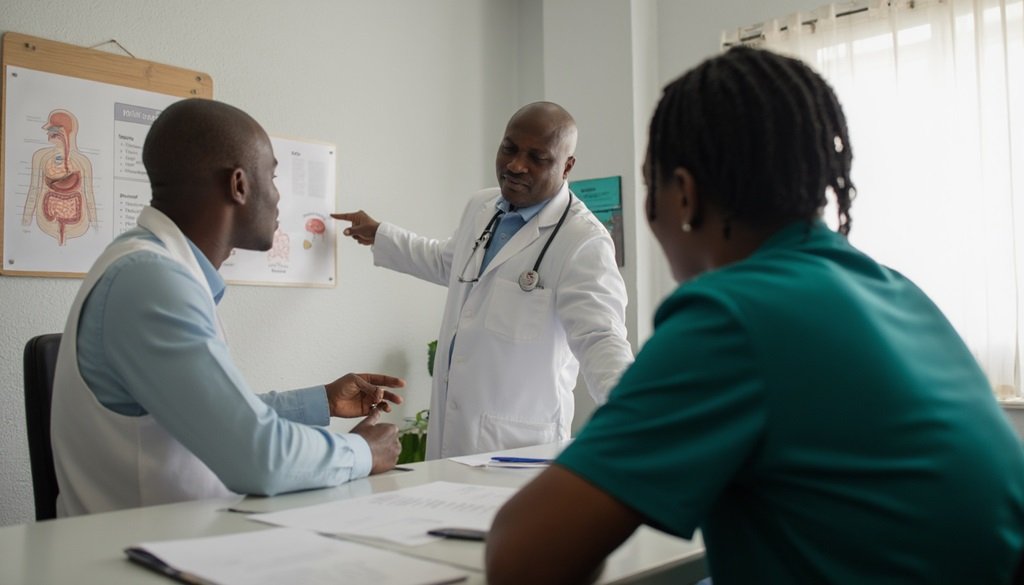
Clinical advice on piles
- Medical reviews emphasise that lifestyle strategies, fibre, fluids, physical activity, anal hygiene and avoiding straining, are the first‑line conservative treatments for uncomplicated hemorrhoidal disease.pmc.ncbi.nlm.nih
- Experts also warn that persistent rectal bleeding, prolapsing lumps, severe pain or anaemia are not “normal piles” to ignore; they require examination and sometimes office procedures or surgery.clevelandclinic+1
Gastroenterologists on ulcer care
- Standard peptic ulcer management focuses on diagnosing and eradicating H. pylori, prescribing acid‑suppressing drugs and stopping ulcer‑provoking medicines, especially long‑term NSAIDs, to allow proper healing.pubmed.ncbi.nlm.nih
- Self‑medicating with herbs or over‑the‑counter painkillers alone can hide symptoms while the ulcer worsens, increasing the risk of bleeding or perforation.pubmed.ncbi.nlm.nih
Nigerian and African researchers on herbal safety
- Nigerian and broader African ethnobotanical and pharmacology papers repeatedly call for thorough phytochemical, pharmacological and toxicity studies to separate safe, effective plants from those that are harmful.journalarrb+1
- Until such evidence exists, most herbal remedies for piles and ulcers should be considered supportive at best and potentially risky at worst—especially when taken in strong doses for long periods or mixed with other medicines.academia+1
A safe daily plan that blends “natural” and medical care
Gentle routine for someone with mild piles and ulcer symptoms
- Morning: Drink warm water on waking, eat a fibre‑rich but non‑irritating breakfast (for example, oats or pap with fruit), and avoid forcing bowel movements if there is no urge.healthline+1
- Through the day: Take regular sips of water, build in standing or walking breaks if you sit a lot, and respond promptly when you feel the need to pass stool.healthline+1
- After bowel movements: Rinse with warm water or take a short sitz bath, pat dry gently, and avoid perfumed wipes.webmd+1
- Evening: Eat a light dinner with vegetables and lean protein, avoid very spicy, oily late‑night meals, and aim for enough sleep to support healing.healthline+1
Monitoring symptoms and knowing when to stop
- Using a simple notebook or phone note to track pain, bleeding, heartburn, meals and any herbs taken helps you and your clinician see patterns and judge whether remedies are helping or harming.medicalnewstoday+1
- Stop any herbal mixture immediately if you notice yellow eyes, very dark urine, severe abdominal pain, vomiting, dizziness, rash or worsening bleeding, and seek urgent medical care.academia+1
- Adults—especially from about age 40 upward—should never assume rectal bleeding or persistent upper‑abdominal pain is “just piles” or “ordinary ulcer” without being properly examined.clevelandclinic+1
FAQs on Nigerian natural remedies for piles and ulcers
- Can piles and ulcers be cured with home remedies alone?
- Mild hemorrhoids and dyspepsia may improve with lifestyle and diet changes, but established hemorrhoidal disease and confirmed ulcers often need medical evaluation, tests and sometimes procedures or prescription drugs.medicalnewstoday+1
- Which Nigerian foods should I avoid if I have both piles and ulcer?
- Very spicy, heavily fried, low‑fibre meals, alcohol and large late‑night meals tend to aggravate both conditions; it is better to emphasise gentle, fibre‑rich, less oily foods and regular meal times.healthline+1
- Are “agbo” mixtures safe for long‑term use?
- Safety studies on some anti‑haemorrhoid “agbo” recipes show potential genetic and reproductive toxicity at higher doses, so long‑term unsupervised use is not advisable.academia
- Can I use natural remedies in pregnancy?
- Pregnant women are usually encouraged to focus on fibre, fluids, light exercise and sitz baths for piles, and to avoid untested herbs or over‑the‑counter medicines unless specifically recommended by their antenatal provider.pmc.ncbi.nlm.nih+1
- How long should I try home remedies before seeing a doctor?
- If mild piles or ulcer‑like discomfort does not improve within about 7–10 days—or if symptoms worsen at any time—seeing a qualified healthcare professional is important.medicalnewstoday+1
Final thoughts
Nigerian natural remedies for piles and ulcer—especially high‑fibre foods, hydration, warm sitz baths, gentle meals and thoughtful use of herbs—can ease discomfort and support healing when used carefully. But natural does not automatically mean safe, and strong or unregulated herbal mixtures like some forms of “agbo jedi‑jedi” carry real risks that research is beginning to document.journalarrb+3
For people in Nigeria, across Africa and around the world, the healthiest approach is to blend sensible, evidence‑aligned home care with timely medical evaluation, using both traditional knowledge and modern science to protect long‑term health.pmc.ncbi.nlm.nih+1
- Download our free tools to help you manage symptoms more safely:
- A “Piles and Ulcer Daily Checklist” with diet, water and lifestyle reminders.
- Printable lists of high‑fibre Nigerian foods and ulcer‑friendly meal ideas.
- A one‑page guide on “Questions to Ask Your Doctor About Piles, Ulcer and Herbal Remedies” for your next clinic visit.
- Share these resources with family, faith groups, workplace wellness teams and WhatsApp communities so more people move from guessing and risky self‑medication to informed, safer choices.
Medical disclaimer
This article is for general information and health education only and is not a substitute for personalised medical advice, diagnosis or treatment. Always consult a qualified doctor, nurse or other licensed health professional if you have rectal bleeding, anal pain, persistent upper‑abdominal pain, vomiting, black stool or if you plan to use herbal or home remedies—especially during pregnancy or while taking other medicines.medicalnewstoday+1
Related Reading
- Home Remedies for Malaria in Nigeria: What Works
- Lower Blood Pressure Naturally: 10 Tips for Africans
- Curb Heart Attacks in Nigeria with Home Solutions




hey there and thanks in your information – I have definitely picked up anything new from proper here. I did then again expertise some technical issues the usage of this site, as I experienced to reload the website many instances previous to I may get it to load correctly. I had been puzzling over in case your web host is OK? Now not that I’m complaining, but sluggish loading instances times will often affect your placement in google and could harm your high quality ranking if ads and ***********|advertising|advertising|advertising and *********** with Adwords. Well I’m adding this RSS to my e-mail and can glance out for much more of your respective exciting content. Make sure you update this once more soon..
We are a group of volunteers and starting a new scheme in our community. Your website offered us with useful information to work on. You have done an impressive job and our whole neighborhood will likely be grateful to you.
I likewise think thence, perfectly composed post! .