
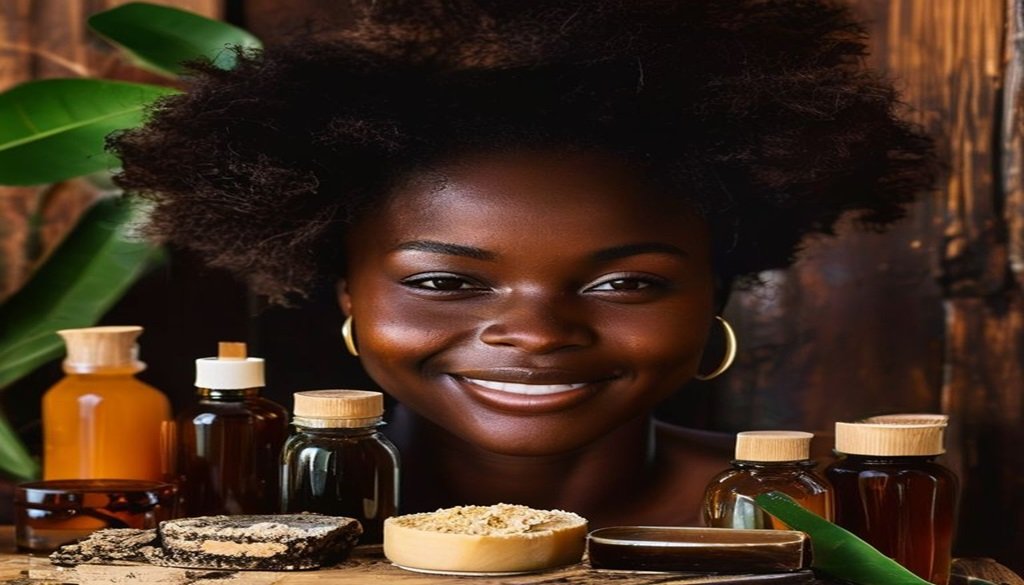
In many Nigerian homes, beauty routines are often passed down quietly—how to mix shea butter for dry skin, which oil keeps hair soft during harmattan, or what to use when the sun and heat start to dull the skin. Long before branded products became common, natural ingredients were used to care for melanin-rich skin and textured hair in ways that respected the body and the environment.
Natural beauty remedies for Nigerians continue to matter because of our climate and lifestyle. The hot sun, high humidity, dust, and seasonal dryness place constant stress on skin and hair. Harsh chemicals can worsen irritation, breakage, and uneven tone, making gentle, well-chosen natural options more appealing and often more effective.
From everyday experience, when used correctly, ingredients like shea butter, African black soap, natural oils, and plant extracts can support clearer skin, softer hair, and a healthy glow. The key is understanding what works, how to use it safely, and when simplicity is better than excess.
This guide shares the top 10 natural beauty remedies for Nigerians, focusing on practical routines that fit real life, protect skin and hair through changing seasons, and promote long-term beauty without harsh treatments.
What Makes a Beauty Remedy “Natural” and Safe?
Natural ingredients in the Nigerian context
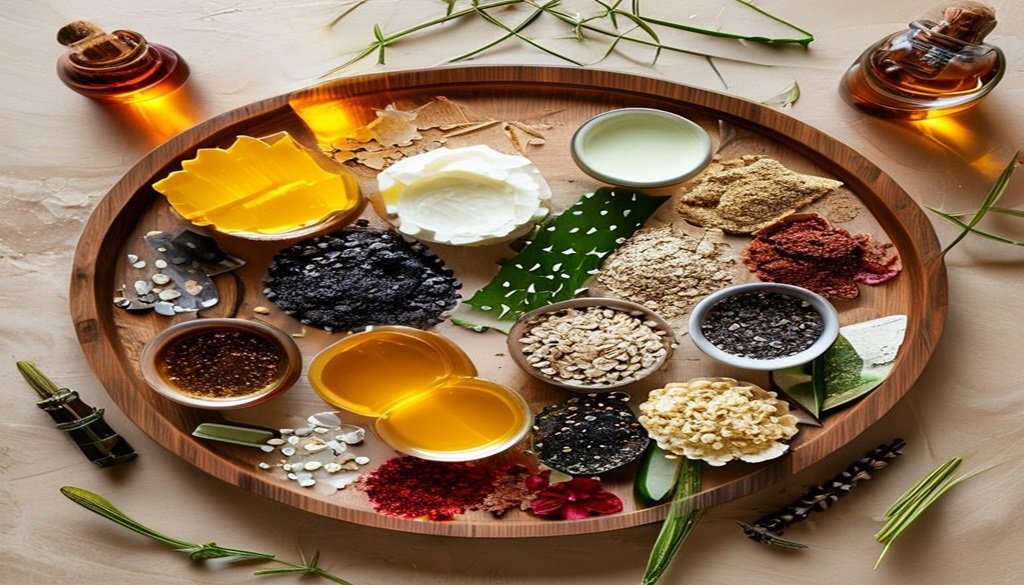
Natural beauty remedies are typically based on plant, mineral or animal‑derived ingredients that are minimally processed, such as unrefined shea butter, cocoa butter, African black soap, plant oils, aloe vera, honey and herbal extracts. In Nigeria, many small brands and home formulators use traditional ingredients like shea butter from the North, local black soap blends from Yoruba and other communities, moringa, hibiscus (zobo), turmeric, clays and cold‑pressed oils to create body butters, soaps, scrubs and hair products.sellox+4
However, “natural” does not automatically mean safe or suitable for every skin type. Natural ingredients can still cause irritation, allergic reactions or worsening of hyperpigmentation if used at the wrong strength, combined with harsh DIY acids, or applied on sun‑exposed skin without protection. Quality also depends on correct sourcing, hygiene and storage: poorly stored or contaminated natural products can trigger breakouts or infections.medicalnewstoday+3
Safety basics for darker skin tones
Melanin‑rich skin has unique strengths and vulnerabilities. It often ages more slowly and has more natural UV protection, but it is also more prone to post‑inflammatory hyperpigmentation (PIH), where any irritation, acne, insect bites or burns can leave dark marks. Because of this, dermatology resources strongly recommend avoiding extreme DIY practices like applying undiluted lemon juice, vinegar, harsh scrubs or strong bleaching agents at home, as they can damage the barrier and deepen dark spots rather than fade them.psrihospital+1
Basic safety principles include patch‑testing new products on a small area for a few days, introducing only one new remedy at a time, always moisturising after cleansing, and using broad‑spectrum sunscreen daily on exposed skin to prevent dark spots worsening or new ones forming. Gentle exfoliation once or twice a week is usually enough; over‑scrubbing or mixing too many acids can damage the skin, especially on the face and neck.medicalnewstoday+1
Top 10 Natural Beauty Remedies for Nigerians
1. African black soap (ose dudu)
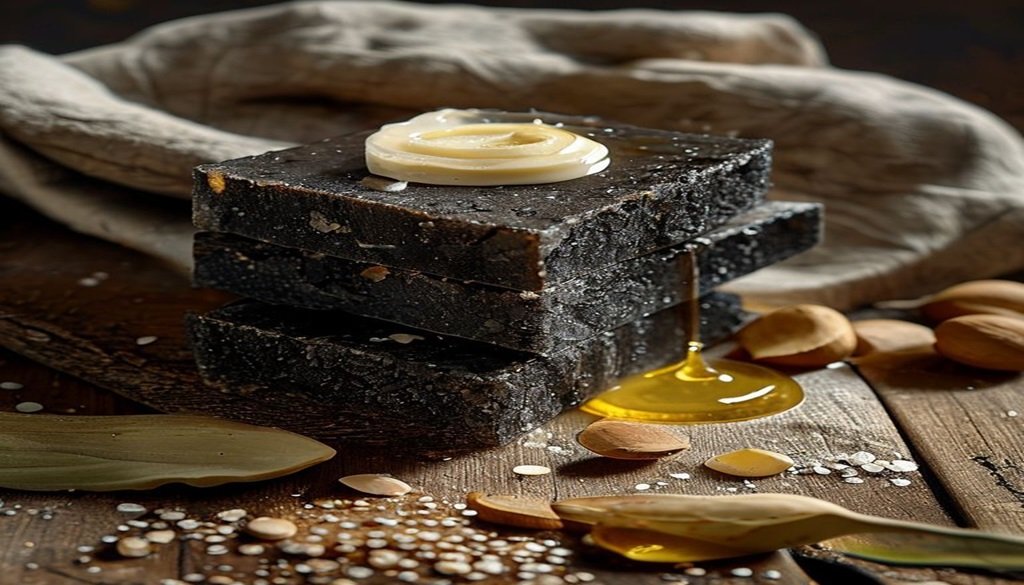
African black soap is a traditional West African soap made from plantain peel ash, cocoa pod ash and oils or butters such as palm kernel, coconut or shea. Nigerian and Ghanaian brands often add herbs, honey or oils to customise black soap blends for different skin needs. Properly made black soap is prized for its deep‑cleansing ability, mild natural exfoliation and potential benefits for acne‑prone or oily skin, as it helps remove sweat, excess oil and dirt from the humid climate.sheacoco+4
However, undiluted black soap can be drying or irritating, particularly for sensitive or very dry skin, so many Nigerian skincare experts recommend lathering a small amount in water, using it briefly, and following with a hydrating toner or aloe mist and a moisturiser rich in oils or shea butter.naturalnigerian+2
2. Unrefined shea butter
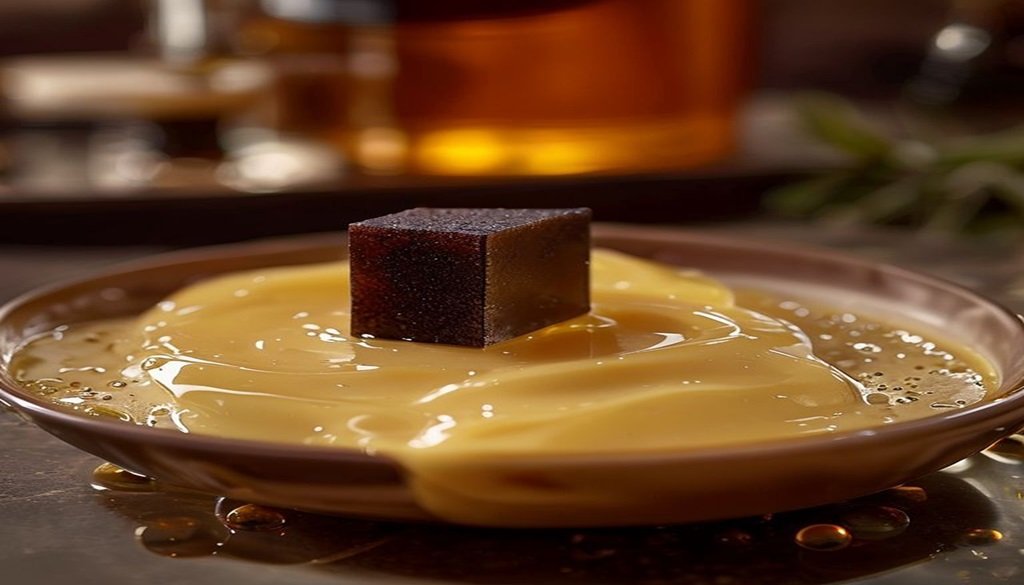
Unrefined shea butter is one of West Africa’s most famous cosmetic ingredients, used for generations as a body moisturiser, lip balm and hair sealant. High‑quality shea butter contains fatty acids and antioxidants that help soften dry, rough skin, support barrier repair and protect against environmental stress, making it especially valuable during harmattan season in Nigeria.dekinabeauty+3
It can be applied alone on damp skin after bathing or whipped with light oils to create fluffier body butters; on the face, only a small amount is usually needed to avoid feeling heavy, particularly for oily skin types. Dermatology‑informed brands often blend shea with lighter oils and humectants (such as glycerin) to improve spreadability and reduce pore‑clogging risk for combination skin.wellbeing+2
3. Cold‑pressed plant oils
Cold‑pressed oils such as coconut, palm kernel, baobab, moringa, marula, argan and grapeseed are popular in Nigerian and African natural beauty routines for both skin and hair. They can be used for oil cleansing, as light facial oils after water‑based products, as body oils on damp skin, or as sealants to lock moisture into natural hair.naturalpoland+2
Oils vary in how heavy or comedogenic they are; for instance, coconut oil suits many bodies and hair types but can cause breakouts on some faces, while lighter oils like grapeseed or marula may be more comfortable on acne‑prone skin. Experts advise choosing oils based on your skin type, using only a few drops on the face and pairing them with hydrating ingredients like aloe or hyaluronic acid.dekinabeauty+1
4. Aloe vera gel

Aloe vera is widely grown across Nigeria and other African countries and is known for its cooling, soothing properties. Aloe gel can help calm irritation, mild sunburn, shaving bumps and dryness, and it is often used as a hydrating layer under oils or creams, especially in hot weather.dekinabeauty+2
Many dermatology articles highlight aloe as one of the better‑tolerated natural ingredients for sensitive skin, although allergic reactions are still possible in a minority of people, so patch‑testing is recommended. It can also be incorporated into hair sprays or leave‑ins to add light moisture to natural hair without weighing it down.wellbeing+3
5. Honey masks
Raw honey has humectant and mildly antibacterial properties and is a popular DIY ingredient for hydrating and soothing face masks. Short honey masks—applied for 10–15 minutes and then rinsed off—can help soften the skin and support a healthier moisture barrier, particularly when combined with gentle ingredients like ground oats or yoghurt.pharmeasy+1
Medical and skincare resources caution against leaving sticky or sugary mixtures on the skin for very long periods, and against using honey on broken or infected skin without medical advice. For people with very oily or acne‑prone skin, it is wise to introduce honey gradually and monitor how the skin reacts.psrihospital+1
6. Turmeric and botanical brighteners
Turmeric, licorice, green tea and some African plant extracts are frequently used in natural brightening products to help support a more even tone. Professionally formulated serums and creams use controlled amounts of these extracts along with soothing ingredients to target dullness and mild hyperpigmentation.naturalpoland+2
Dermatology sources warn that heavy DIY turmeric pastes, lemon scrubs or aggressive home peels on darker skin can cause irritation and rebound hyperpigmentation. Safer options include well‑formulated products that combine botanical brighteners with sun protection and barrier‑supportive ingredients, and using them consistently rather than aggressively.medicalnewstoday+1
7. Oat and rice‑water soothers
Colloidal oatmeal and rice water are used in many home and professional products to calm sensitive or irritated skin. Oatmeal baths or masks can help relieve itchiness and mild inflammation, while rice water rinses and toners may gently soften and smooth the skin’s surface when used sparingly.psrihospital+1
Dermatology‑focused articles recommend finely ground oats for sensitive skin masks and stress hygiene when fermenting or storing rice water to avoid contamination. As always, patch‑testing is essential, especially for people with eczema, contact dermatitis or a history of allergies.medicalnewstoday+1
8. Herbal rinses and masks for hair

Nigerian and African haircare traditions use herbs like hibiscus, fenugreek, moringa, rosemary and aloe in rinses and masks to reduce breakage, add shine and soothe the scalp. Hibiscus, for example, may help with shine and softness, while fenugreek seeds soaked and blended into a paste are used in some routine to support hair strength and slip when detangling.wellbeing+1
While robust clinical trial data on these herbs are limited, many African beauty resources share consistent anecdotal reports, and modern brands increasingly blend these ingredients into conditioners and masks. Scalp health still relies on gentle cleansing, not just herbs, so combining herbal treatments with mild shampooing or black soap washes is often recommended.naturalnigerian+2
9. Clay masks
Clays such as bentonite and kaolin are used in masks to absorb excess oil, pull out impurities and refine the look of pores, particularly for oily or combination skin. When used once or twice a week, followed by hydrating serums and moisturisers, clay masks can support clearer skin and reduce shine in Nigeria’s hot climate.psrihospital+1
Dermatology sources caution that over‑use of drying clays or leaving masks on too long can disrupt the skin barrier, leading to rebound oiliness or irritation, especially on already dry areas. It is important to moisturise after clay masks and to avoid clay on broken, very sensitive or severely dry skin unless a professional advises otherwise.medicalnewstoday+1
10. Lifestyle‑linked beauty supports

Natural beauty is not only about what you apply on your skin; habits like adequate water intake, balanced nutrition, sleep and stress management play a major role in skin and hair health. African ingredient reviews emphasize that traditional diets rich in vegetables, fruits, whole grains and healthy fats, combined with low stress and good sleep, are powerful “internal” beauty remedies.pmc.ncbi.nlm.nih+2
Medical sources link chronic stress and poor sleep to acne flares, dull skin and hair shedding, while diets high in ultra‑processed foods and sugar can worsen inflammation. A holistic Nigerian beauty routine, therefore, includes both topical natural products and lifestyle changes like regular movement, stress‑reduction practices and nutrient‑dense meals.naturalpoland+2
Beauty Remedy Plans for Nigeria
Nigerian natural skincare routine
A simple Nigerian natural skincare routine can be built around African black soap, aloe, oils or shea and sun protection.sheacoco+2
Morning routine:
Cleanse with a small, diluted amount of African black soap or a gentle local natural cleanser; avoid scrubbing aggressively. Pat dry and spritz with aloe vera mist or apply a light hydrating toner to restore moisture. Follow with a moisturiser containing light oils or a small amount of shea butter, then apply broad‑spectrum sunscreen with at least SPF 30 on exposed skin, even on cloudy days.africannatural+3
Night routine:
If makeup or heavy sunscreen was worn, start with an oil‑based cleanse (using a non‑pore‑clogging oil) followed by black soap or gentle cleanser. Apply a soothing serum or aloe layer, then seal with a richer shea‑based moisturiser, especially during harmattan or in air‑conditioned environments. Once or twice a week, use a honey‑oat mask or a short, carefully timed clay mask on oilier areas, followed immediately by hydrating products.pharmeasy+5
Nigerian natural haircare routine
For natural hair, combining gentle cleansing, deep conditioning and protective styling helps keep strands strong.dekinabeauty+1
Weekly: pre‑poo (pre‑shampoo) with a mix of plant oils, wash with diluted black soap or a gentle shampoo, then apply a deep conditioning mask enriched with shea butter and oils. Rinse thoroughly, follow with a leave‑in conditioner, then seal moisture with small amounts of oil or whipped shea, focusing on the ends.naturalnigerian+2
Daily or every other day: spritz hair with water and aloe or a leave‑in spray, gently detangle with fingers or a wide‑tooth comb, and keep hair in protective styles that do not pull the hairline. Regular scalp massage with light oils can support relaxation and scalp comfort, but heavy product buildup should be avoided by cleansing regularly.wellbeing+1
Beauty Remedy Plans for Africa
Adapting remedies to different African climates
Across Africa, climate and water hardness vary widely, so natural beauty routines are best adjusted to local conditions. In dry, desert or harmattan‑influenced regions, richer butters like shea and cocoa, occlusive oils and gentle cleansers help prevent transepidermal water loss. In very humid coastal regions, lighter oils and gels may be more comfortable, and over‑washing with harsh soaps can aggravate oiliness and acne.pmc.ncbi.nlm.nih+2
Sample African natural beauty routine
A pan‑African routine might include cleansing with black soap or herbal cleansers a few times per week, daily hydrating steps with aloe or botanical toners, moisturisers tailored to climate, and consistent sunscreen on exposed areas. Hair routines can combine local oils (baobab, marula, castor, moringa) and herbal rinses like hibiscus or rooibos with deep conditioning and protective styling that respects the natural texture.naturalpoland+3
Beauty Remedy Plans for a Global Audience
Using African ingredients worldwide
Global consumers increasingly seek African ingredients like shea butter, black soap and baobab oil for minimalist skincare and haircare routines. These ingredients can be integrated into existing routines as richer winter moisturisers, gentle deep cleansers or weekly treatments, provided people patch‑test and introduce them gradually.dekinabeauty+2
Simple global natural beauty routine
A straightforward routine might include a mild cleanser, a hydrating serum or toner (with aloe or glycerin), a moisturiser containing shea or plant oils, daily sunscreen, and occasional masks using honey, oats or clay depending on skin type. For hair, pre‑shampoo oil treatments with shea or African oils, gentle cleansing, deep conditioning masks and light oils or butters for the ends can complement many hair textures.pharmeasy+4
Expert Opinions and Evidence‑Based Insights
African beauty brands and educational platforms describe black soap with added oils and butters as a deep but gentle cleanser that can be suitable for many skin types when formulated to be moisturising and followed by hydrating products. Reviews of African botanicals in minimalist skincare highlight shea butter, cocoa butter, baobab oil and similar ingredients as effective emollients that help soften dry skin and support barrier function.barakasheabutter+4
Dermatology‑oriented resources list aloe vera, niacinamide, licorice extract and green tea as better‑studied ingredients for soothing irritation and supporting more even tone, and caution against high‑risk DIY practices like applying undiluted lemon juice or vinegar on the face. Articles on dark spots and hyperpigmentation stress that any treatment must be combined with daily sunscreen, otherwise dark marks can recur or worsen despite using brightening remedies.psrihospital+1
Frequently Asked Questions
Are natural beauty remedies safe for all skin types? Natural beauty remedies can be gentle and effective, but no ingredient is universally safe; even shea butter, aloe or honey can cause irritation or allergy in some people, so patch‑testing is essential.medicalnewstoday+1
Can African black soap cause dryness or irritation? Yes, undiluted black soap can be too strong for some skin types, especially if used too often or left on for long; diluting it, using small amounts and following with moisturiser can reduce dryness.barakasheabutter+1
How should Nigerians with dark spots or hyperpigmentation use natural remedies safely? People with hyperpigmentation are advised to avoid harsh scrubs and DIY acids, use gentle cleansers, introduce brightening ingredients slowly and always apply sunscreen during the day to protect results.psrihospital+1
Which natural oils are best for oily or acne‑prone Nigerian skin? Lighter, fast‑absorbing oils like grapeseed, marula or some sunflower‑based blends may be better tolerated than heavier coconut oil, but individuals should start with small amounts and observe how their skin responds.naturalpoland+1
How often should I use clay or exfoliating masks on darker skin? For most people, once or twice a week is enough; more frequent use can strip the barrier and trigger irritation or dark marks, especially on sensitive or dry areas.medicalnewstoday+1
Can natural remedies replace sunscreen in Nigeria’s sun? No, natural oils or butters do not provide reliable broad‑spectrum UV protection; dermatology sources strongly recommend using a proper sunscreen on exposed skin every day, even when using natural products.psrihospital+1
Final Thoughts
The top 10 natural beauty remedies for Nigerians offer powerful tools for caring for skin and hair using African ingredients, but they work best when combined with gentle routines, consistent sun protection and healthy lifestyle habits. When you embrace black soap, shea butter, aloe, plant oils, herbs and clays gradually and thoughtfully, you can support your natural glow without compromising the health of your skin or hair.naturalnigerian+4
For extra guidance, subscribe to your trusted HealthsClinic beauty and wellness newsletter, download a simple routine checklist tailored to your skin or hair type, and speak with a professional if you experience irritation, worsening dark spots or hair loss.skinfoodie+3
Medical Disclaimer
This article is for general information and educational purposes only and does not replace professional medical, dermatological or trichological advice, diagnosis or treatment. Always consult a qualified healthcare professional if you have persistent or severe skin or scalp problems, known allergies, underlying health conditions or are using prescription treatments before introducing new remedies or routines.medicalnewstoday+1
Related Reading
- Lower Blood Pressure Naturally: 10 Tips for Africans
- Top 20 Nigerian Home Remedies for Piles
- Home Remedies for Malaria in Nigeria: What Works